Why Privacy Is a Product Feature in AI Travel
An AI that knows your travel preferences is powerful. It is also a privacy liability if mishandled. Here is our approach to privacy-first personalization.

There is an inherent tension in building a personalized AI travel agent: the more the agent knows about you, the better it can help you. But the more it knows, the greater the privacy risk if that data is mishandled.
We believe privacy is not a compliance checkbox. It is a product feature that directly impacts trust and, therefore, the quality of the experience.
What we collect and why
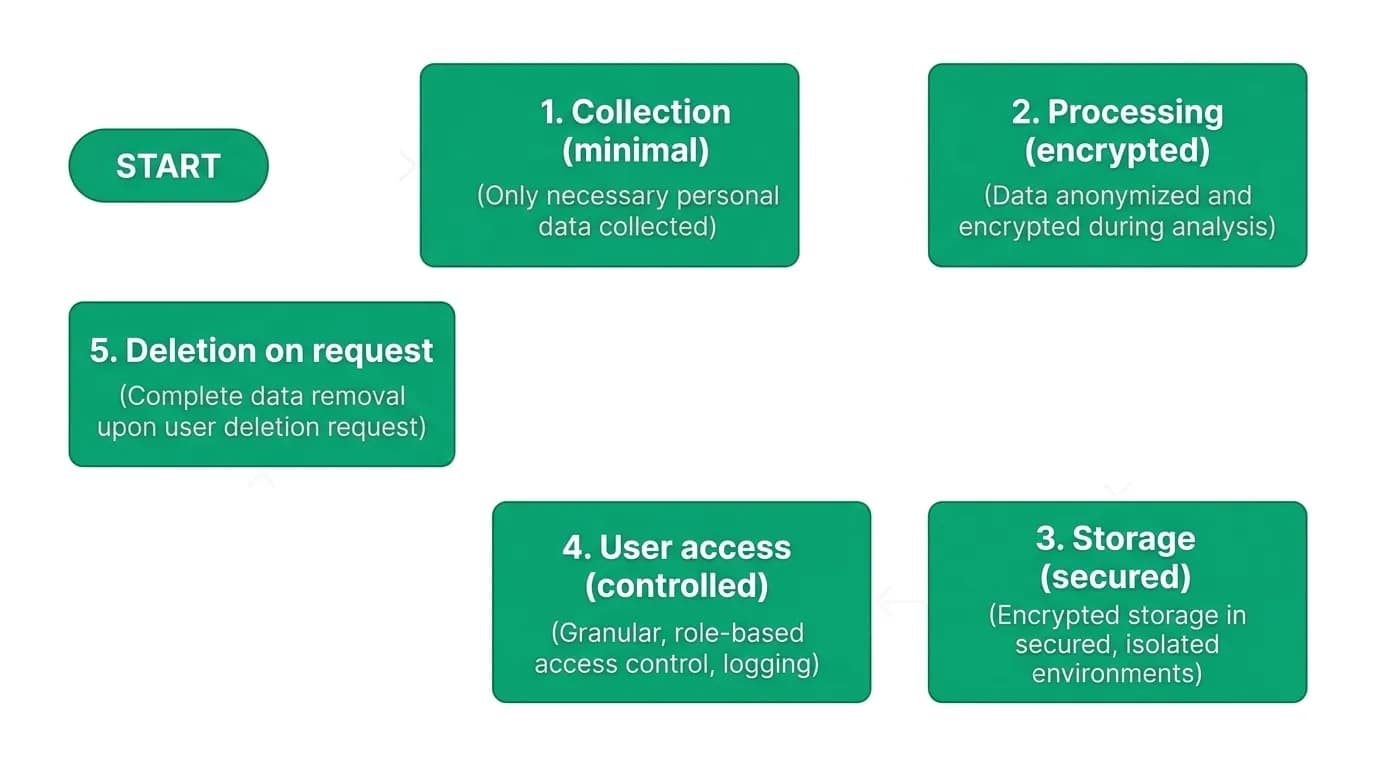
The agent collects three categories of data, each with a clear purpose.
Travel preferences: seat preferences, hotel standards, budget ranges, destination interests. These make recommendations better. Without them, every search starts from zero.
Trip data: bookings, itineraries, documents. These power trip management and post-booking support. Without them, we cannot organize your trip in one place.
Conversation context: the substance of your interactions with the agent, used to understand your intent and improve the service. The memory system extracts structured preferences from conversations rather than storing raw conversation logs.
Nothing beyond these categories. We do not track your browsing habits. We do not build advertising profiles. We do not sell data to third parties.
How we protect it
User data is encrypted at rest and in transit using industry-standard encryption. Authentication uses secure token-based access with proper expiration and rotation. Access controls ensure that only the systems that need specific data can reach it.
Retention policies are clear: we keep data for as long as it is useful for your service and delete it when you ask. Data export is available, so you can see exactly what we have. Data deletion is available, so you can remove it entirely.
These are not aspirational goals. They are implemented features.
The privacy-personalization balance
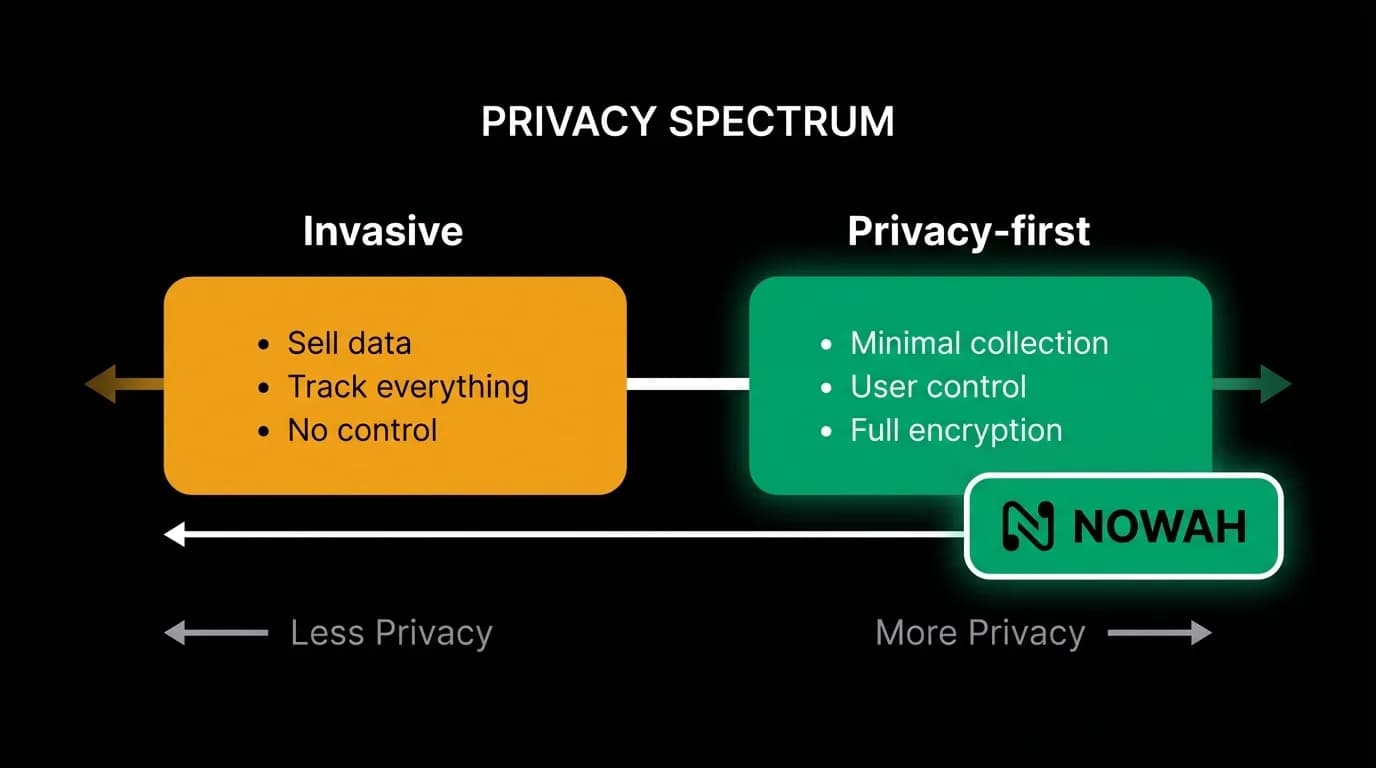
The balance is simpler than it sounds: store preferences, not raw data.
Our memory system extracts structured preferences from conversations. It knows "prefers aisle seats" and "budget comfort zone around two hundred per night for hotels." It does not store the exact words you used in every conversation.
This approach gives the agent the personalization data it needs while minimizing the raw data stored. If someone accessed the preference data, they would see travel preferences, not personal conversations.
Why privacy is competitive
Most travel companies monetize user data through advertising, partnerships, and data sharing. The "free" OTA experience is paid for with your information.
We do not do this. Your data is used exclusively to improve your experience. Zero data selling. Zero advertising profiles. Zero third-party monetization of your travel patterns.
This is a competitive advantage because it aligns our incentives perfectly with yours. We make money by providing a service you choose to pay for, not by extracting value from your data behind the scenes.
You can review, export, or delete your data at any time. It is your data. We are custodians, not owners.
Nowah is an AI travel agent that searches and books real flights and hotels through conversation — no filters, no thirty open tabs. Plan your next trip.