What AI-First Actually Means (And Why Most Companies Get It Wrong)
Every startup claims to be AI-powered now. Most bolt a chatbot onto a search engine and call it innovation. Here is what AI-first really means.
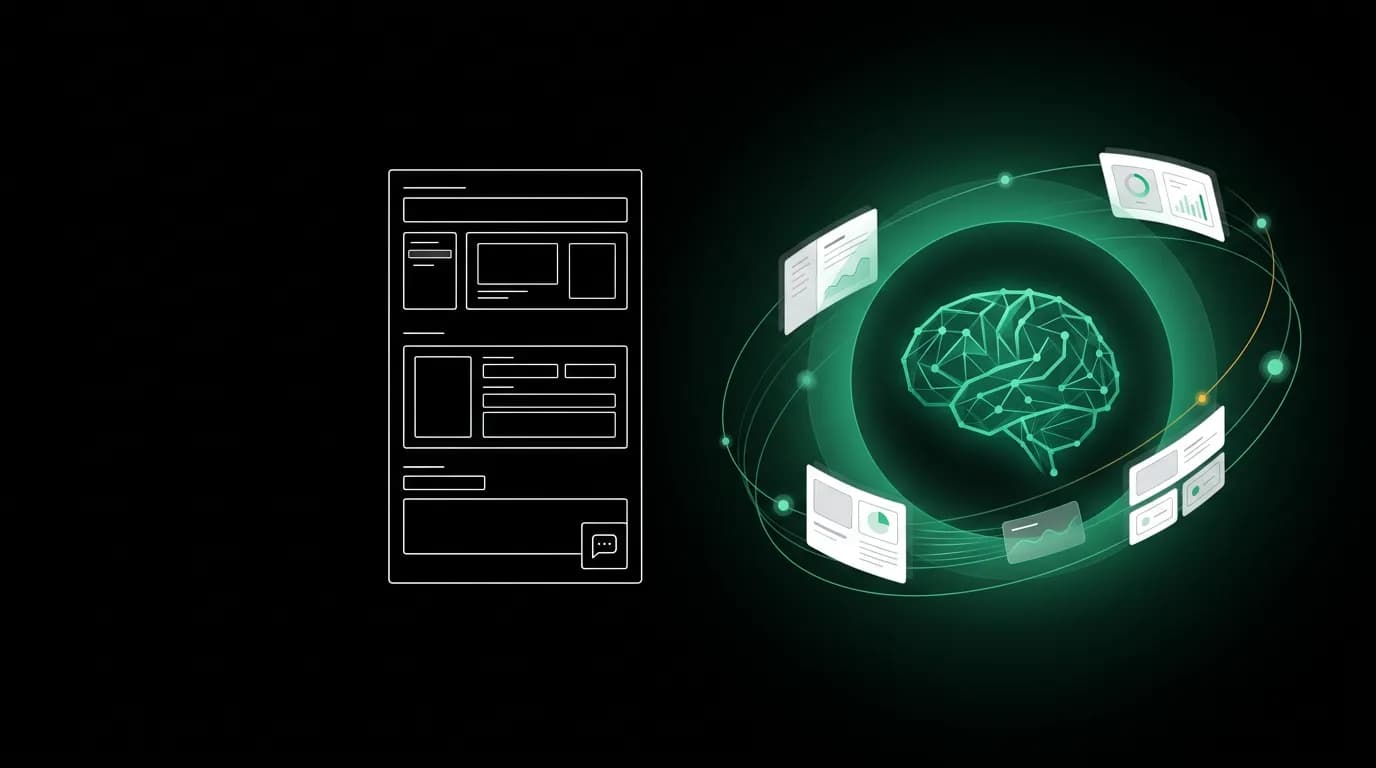
Every travel company now claims to be AI-powered. It has become table stakes in pitch decks and press releases. But when you actually use most of these products, the AI is cosmetic. A chatbot in the corner. A "smart" filter that is marginally better than the old one. A recommendation that reads like it was generated by a search algorithm wearing an AI costume.
There is a fundamental difference between adding AI to a product and building a product around AI. Most companies do the former and claim the latter.
AI-first versus AI-enhanced
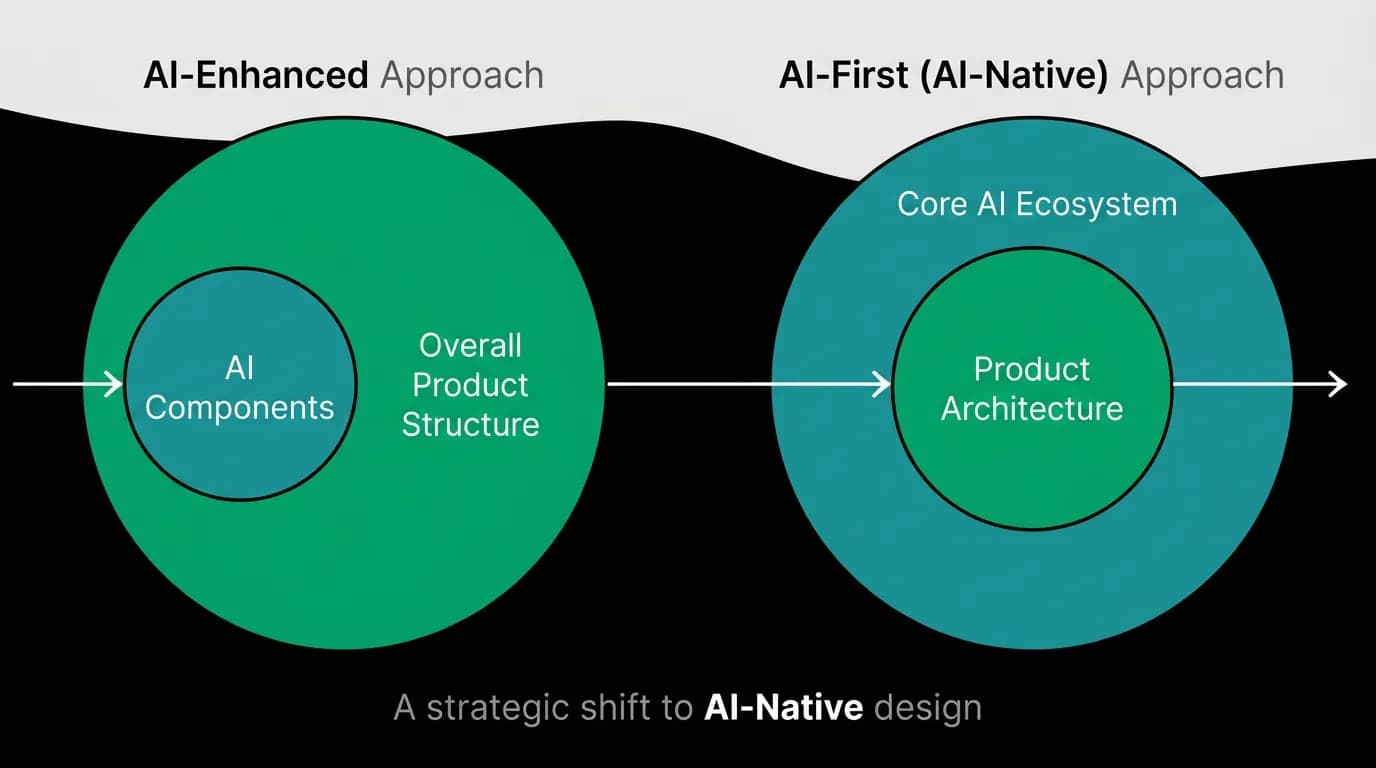
Here is a simple test. Remove the AI from the product. What is left?
If the answer is "basically the same product with slightly worse search results," the company is AI-enhanced. The AI is a feature, probably a nice one, but the core product does not depend on it. The search form still works. The results page still renders. The booking flow still functions. The AI is decoration.
If the answer is "there is no product," the company is AI-first. The agent is the product. Remove it and you have nothing. No search form to fall back on. No results grid to browse. The entire experience is built around the agent's ability to understand, reason, search, and act.
At Nowah, if you remove the AI agent, there is no product. The agent is not a layer on top of a booking engine. The agent is the booking engine. It has over 70 integrated tools for searching flights, comparing hotels, processing payments, managing documents, and handling post-booking changes. The interface is a conversation because the agent drives the experience, not the other way around.
How AI-first changes everything
When the AI agent is the product, it changes every decision you make as a company.
It changes hiring. You need people who understand how AI agents reason, not just people who can build web forms. Your team needs to think in tool chains and prompt engineering alongside traditional software development.
It changes the roadmap. Your product roadmap is driven by agent capability expansion, not feature addition. "Can the agent handle multi-city itineraries?" is a fundamentally different question than "Should we add a multi-city search form?" The first requires the agent to reason across complex constraints. The second requires a new UI component.
It changes how you think about competition. The moat is not in the design of the interface. It is in the intelligence of the agent. A beautiful UI can be copied in weeks. An agent that reliably orchestrates a large set of tools, maintains memory across sessions, and handles ambiguous requests with high accuracy takes years to build and continuously improves with every conversation.
What we would build differently
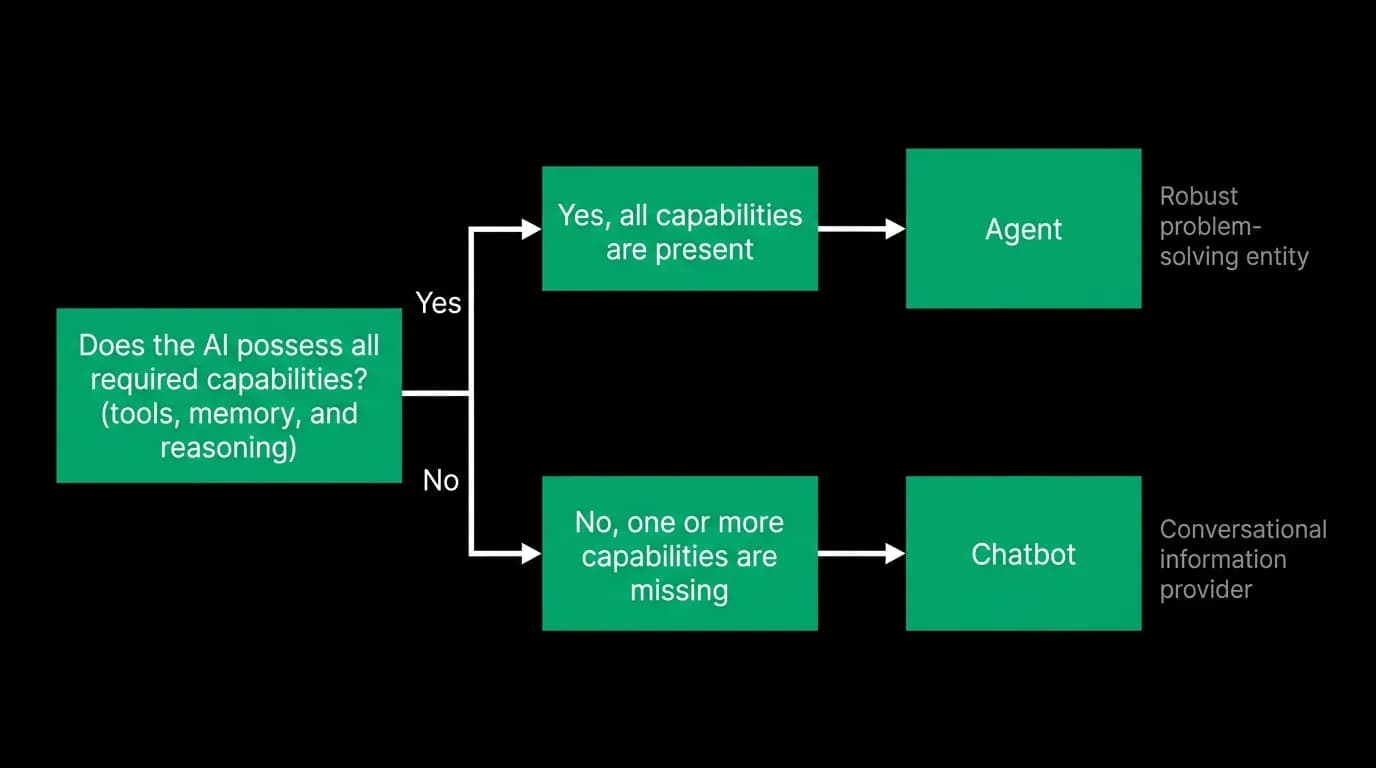
If AI were just a feature at Nowah, here is what the product would look like: a nicely designed search form, a results page with sort and filter options, a chatbot widget in the bottom corner that can answer questions about results, and a traditional checkout flow. The chatbot would call the same search API that the form does. It would be a convenient alternative interface, not an intelligence layer.
Instead, we have no search form at all. The entire experience is a conversation. The agent does not just search. It reasons about your constraints, considers trade-offs between options, remembers your preferences from previous sessions, and executes multi-step tool chains to assemble a complete trip. It can handle "somewhere warm in April for under two thousand dollars" just as easily as "JFK to NRT on April 5th, returning April 15th."
A traditional chatbot cannot do this because it does not have tools, memory, or reasoning. It generates text. Our agent generates actions.
The organizational difference
The way you organize the company reflects whether AI is core or peripheral. In an AI-enhanced company, the AI team is a separate group that builds features for the product team to integrate. There is a handoff. The product works without the AI team's output.
In an AI-first company, the AI team is the product team. There is no separation because the agent and the product are the same thing. Every product decision is an AI decision. Every AI improvement is a product improvement.
This also means the entire team needs AI literacy, not just the people writing prompts. Designers need to understand how non-deterministic outputs affect UX. Frontend engineers need to understand streaming responses. Product managers need to understand tool chain reliability. When the agent is the product, everyone builds the agent.
Why users feel the difference
Users might not be able to articulate the difference between AI-first and AI-enhanced, but they feel it immediately.
An AI-enhanced travel product feels like talking to a helpful FAQ bot. It answers your questions, maybe suggests a few options, but eventually redirects you to the same search form everyone else uses. The conversation is a detour, not the destination.
An AI-first product feels like working with someone who is actually helping you. The conversation goes somewhere. The agent searches while you talk. Options appear that match what you described, not just what a form could capture. The booking happens inside the conversation, not on a different page. And the next time you come back, the agent remembers what you like.
The response-to-booking time tells the story. Under thirty seconds from the agent's first search to a bookable recommendation. Three to five messages from conversation start to confirmation. The traditional OTA chatbot experience: several minutes of back-and-forth that ultimately sends you to a booking page to start the process over.
A simple test for any company
Next time a company tells you they are AI-powered, apply this test:
Does the AI have tools it can call to take action, or does it only generate text? Does it maintain memory across sessions, or does every conversation start from zero? Can it reason through multi-step problems, or does it follow a script? Does it execute bookings, payments, and changes directly, or does it redirect you to a traditional interface?
If the answers are all the former, you are looking at an AI-first product. If the answers are mostly the latter, you are looking at a chatbot on top of a search engine.
We built Nowah to be genuinely AI-first. Not because it is easier. It is definitively harder. But because we believe it is where the entire industry has to end up, and getting there requires building from the agent outward, not bolting an agent onto the side.
Nowah is an AI travel agent that searches and books real flights and hotels through conversation — no filters, no thirty open tabs. Plan your next trip.