Latest
Fresh fromthe journal.
Page 5 of 24

Engineering
Accessibility in AI Travel: Making Chat Booking Inclusive
Screen readers with streaming text, keyboard navigation in chat, voice as accessibility — how we make AI-first travel booking work for everyone.
Engineering
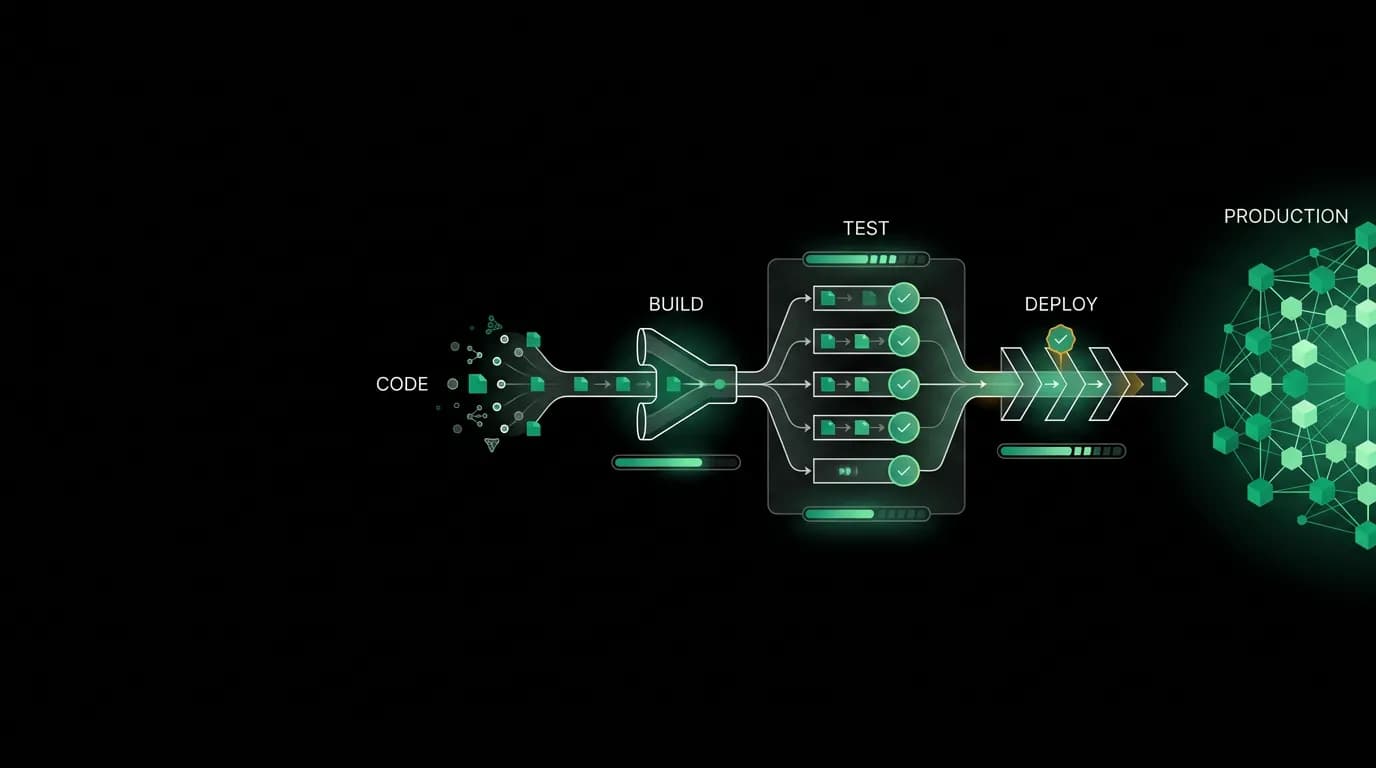
Deploying an AI Travel Agent: Dev to Production
Environment management, CI/CD for multi-service AI, zero-downtime deploys, and cost control. The infrastructure story behind an AI travel platform.

Engineering
Monitoring AI in Production: Beyond Uptime and Latency
Traditional monitoring checks if servers respond. AI monitoring must also check if the agent makes good decisions. Here is what we watch and why.

Engineering
Rate Limiting for AI-Driven Traffic Patterns
AI agents generate bursty, multi-call traffic unlike human clicks. Here is how we protect upstream APIs and manage costs with AI-aware rate limiting.

Engineering
A Shared In-Memory Layer: Caching, Queues, and Sessions
Session caching, job queues, travel data caching, and rate limiting — one an in-memory data store instance powers four critical subsystems in our AI travel stack.
Engineering
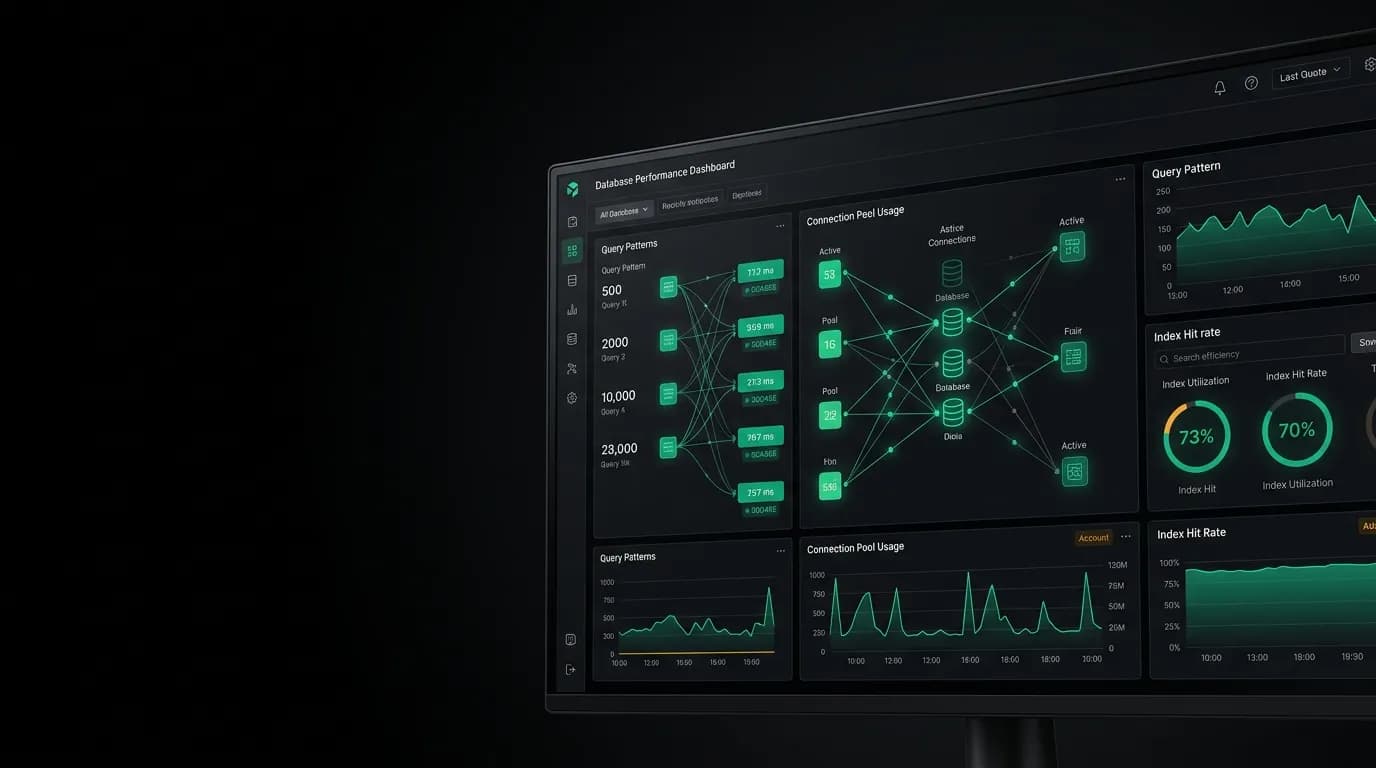
Database Scaling for AI Travel: Relational Stores Under Load
AI agents generate unique query patterns. Conversation history grows unbounded. Here is how we scale a relational database for AI-driven travel booking.

Engineering
Cost Engineering for AI Products: LLM, API, and Infra
LLM inference, travel API searches, and infrastructure — AI products have unique cost structures. Here is how we optimize cost per booking.
Engineering
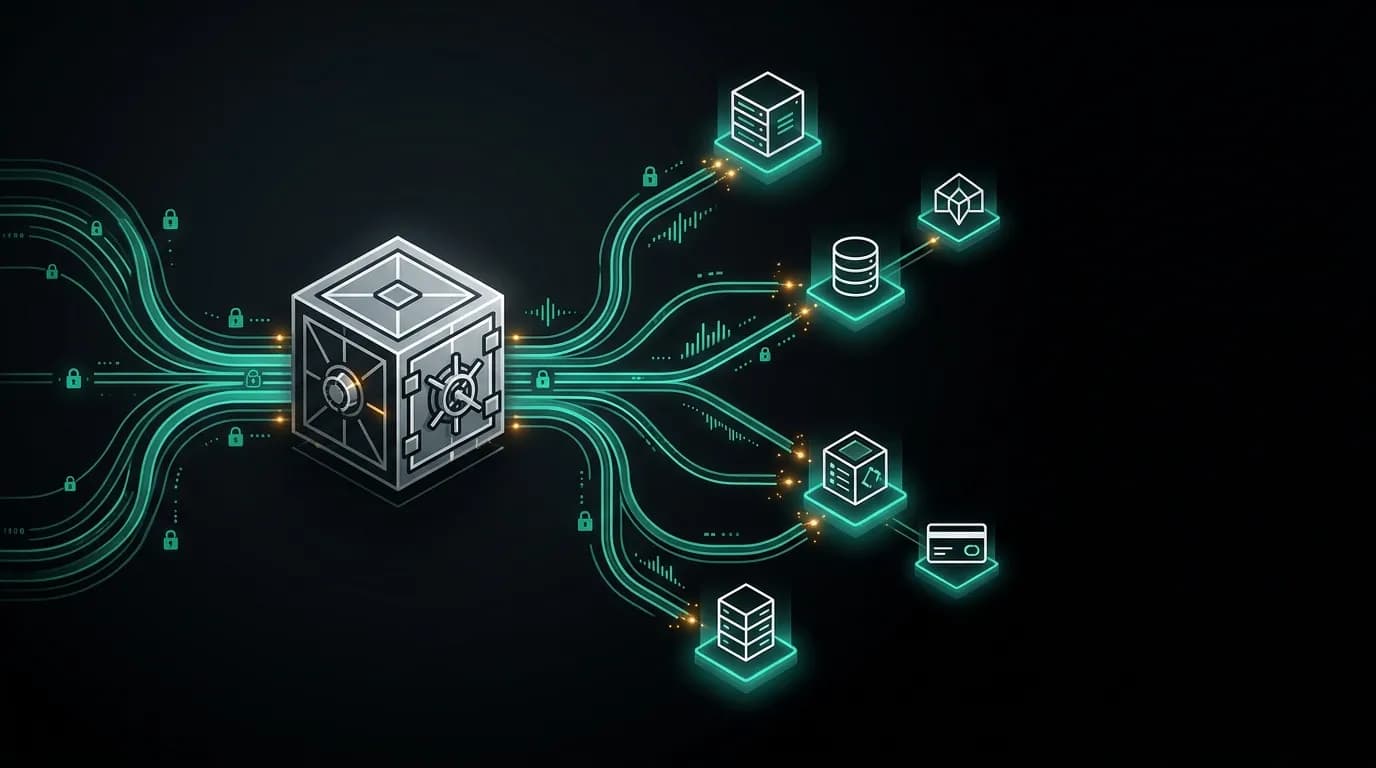
Secrets Management for a Multi-Service AI Platform
API keys for AI models, travel providers, payment processors, and auth — all across multiple environments. Here is how we keep secrets secure.
Engineering
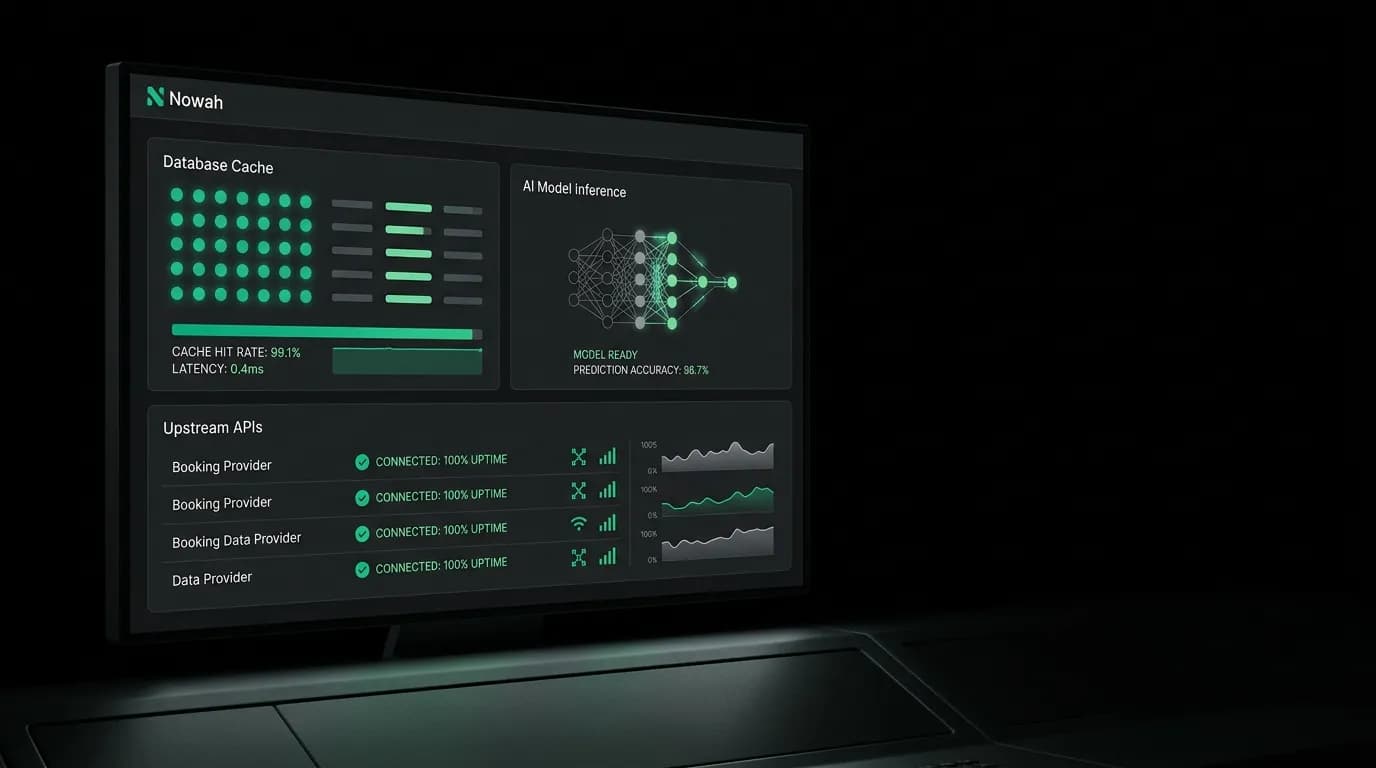
Health Checks for AI Services: Is 'Healthy' Good Enough?
For AI services, 'process running' is not healthy. Deep health means the database, cache, AI model, and upstream APIs all respond correctly.