Latest
Fresh fromthe journal.
Page 17 of 35

Product
Building Trust in AI: Lessons From Travel Booking
Travel booking is high-stakes AI — real money, real time commitments. The trust patterns that work here apply to every AI product category.

Product
Why AI Agents Need Memory (And Why Most Don't Have It)
Stateless AI conversations that forget everything after the session are chatbots, not agents. Memory is what transforms a tool into a partner.
Product
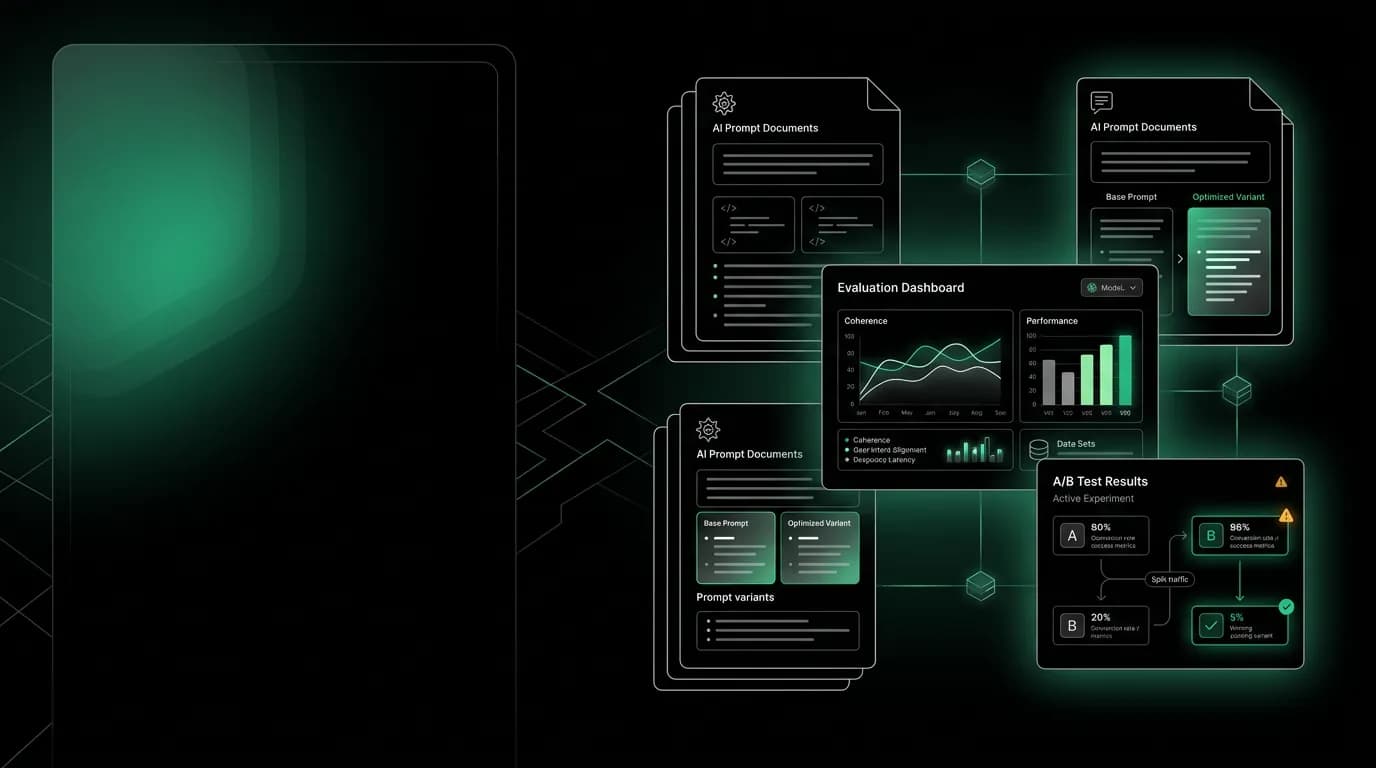
The AI Product Manager's Playbook: Lessons From Building Nowah
Prompt engineering is product design. Evaluation replaces QA. Demos lie. Here is what we learned shipping an AI-first travel product.
Product
Streaming UX: Why Real-Time AI Responses Change Everything
Streaming makes AI feel faster, keeps users engaged, and builds trust by showing work in progress. Batch responses cannot compete.
Product
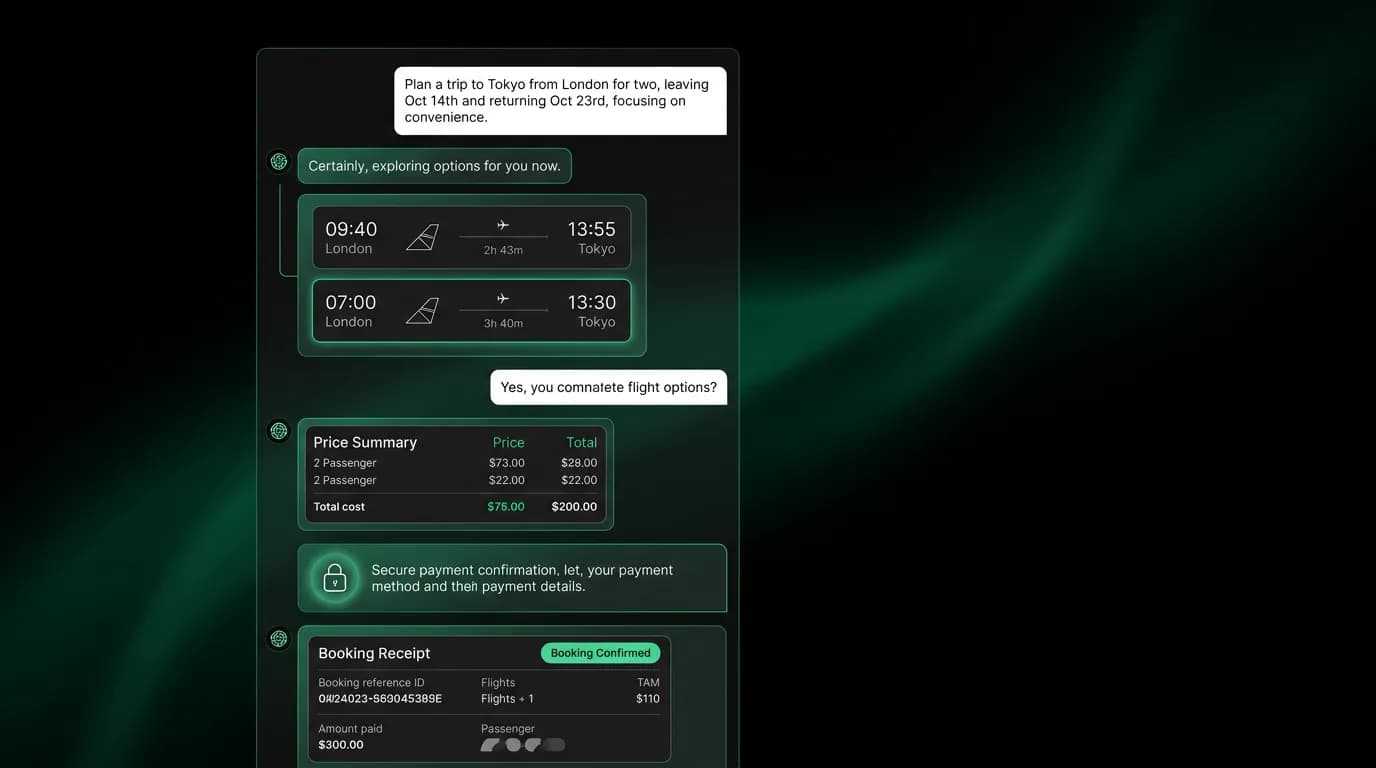
The AI Booking Flow: Rethinking Commerce for Chat
Traditional e-commerce is page-based: product, cart, checkout. Conversational commerce collapses the entire purchase into a single thread.

Product
Your Travel App's AI Chatbot Is Not an Agent (Here's Why)
Chatbots answer questions. AI agents take actions — search flights, compare options, execute bookings, and remember your preferences.
Product
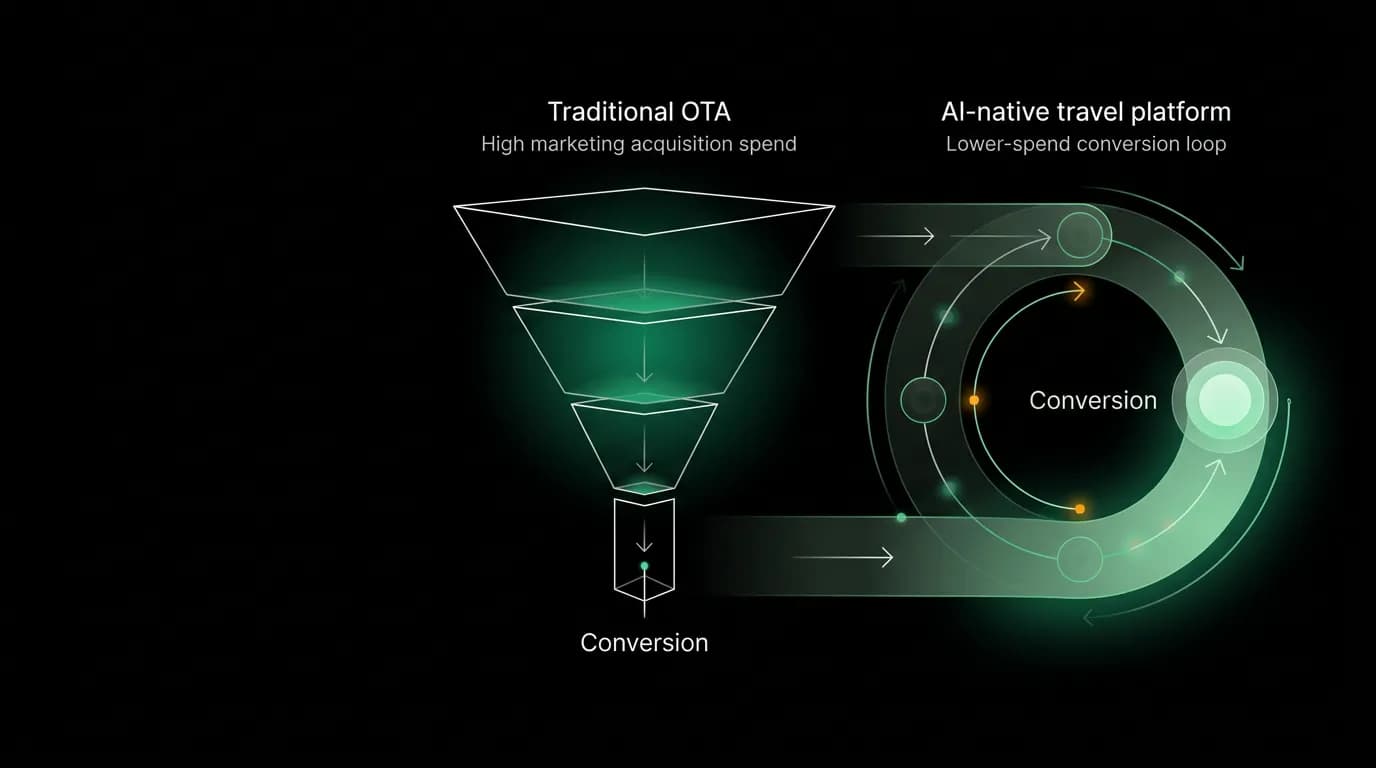
How AI-First Architecture Changes Travel Booking Economics
AI reduces acquisition cost, increases lifetime value, shifts spend from marketing to compute, and creates memory-driven switching costs.
Product
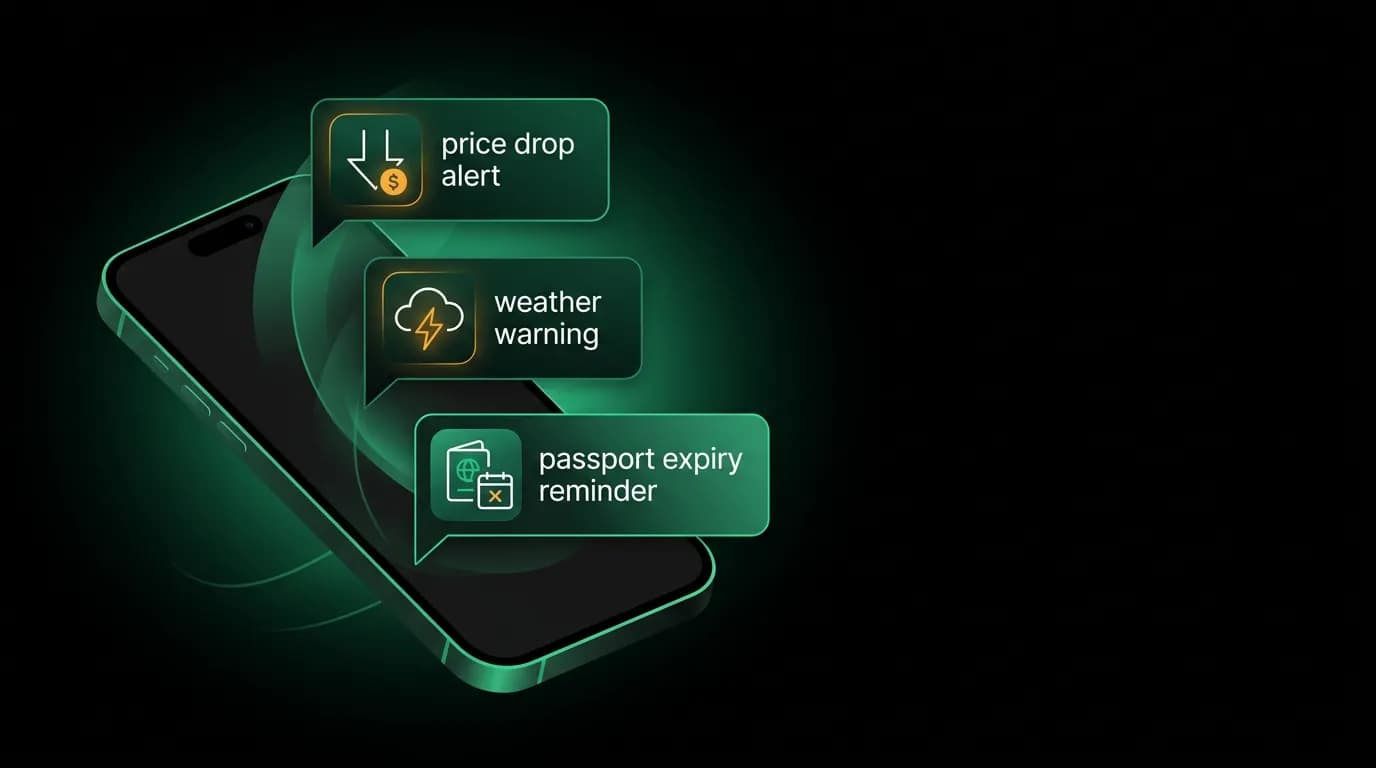
Proactive AI: When the Agent Suggests Before You Ask
Reactive AI answers questions. Proactive AI alerts you to price drops, passport expiry, and weather changes before you think to ask.

Product
Designing for Conversation: UX Patterns for Chat Interfaces
Message bubbles are the easy part. The real design challenge is rich cards, embedded actions, error states, and streaming feedback inside chat.