Latest
Fresh fromthe journal.
Page 26 of 35
Launch
How We Test an AI Agent Before Letting It Book Real Flights
Inside our evaluation framework — structured datasets, adversarial inputs, tool-calling accuracy tests, and the metrics that decide when the agent ships.

Launch
Staged Rollouts for AI Features: Why We Will Ship to a Small Cohort First
Progressive rollouts for AI capabilities — feature flags, canary deployments, traffic splitting, and the gate criteria that decide when to widen the audience.

Launch
Private Testing with Real Travelers: What Synthetic Data Misses
Why no amount of automated testing replaces real travelers using the AI agent on real trips — and the bugs we caught that no eval dataset would surface.
Launch
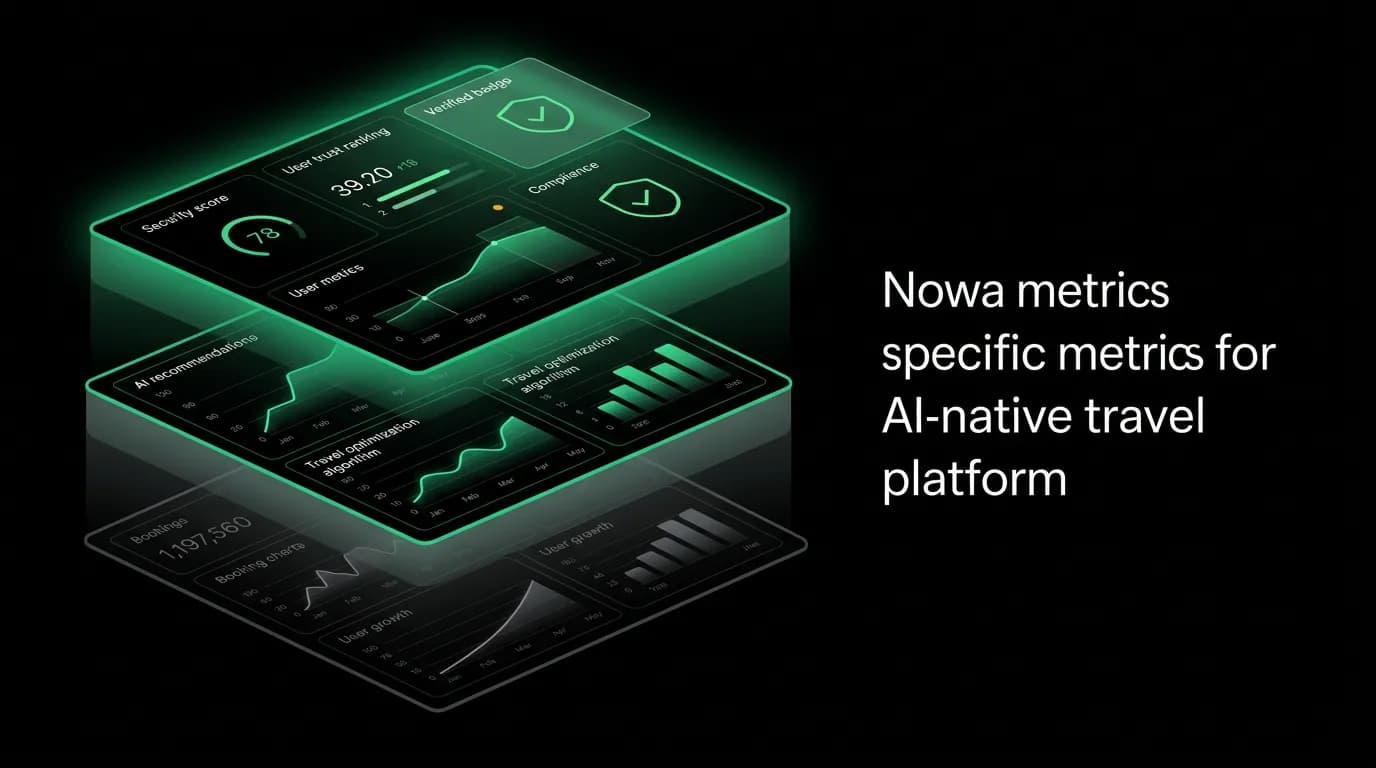
Launch Metrics for AI Products: Beyond DAU and Retention
Traditional SaaS metrics are necessary but insufficient for AI agents. Here is what to actually measure — booking completion, agent accuracy, and trust.

Launch
The First 48 Hours: Monitoring Plan for an AI Travel Agent Launch
Monitoring plan for the first 48 hours after ship — dashboards, on-call, rollback triggers, and what counts as a launch-day success.
Launch
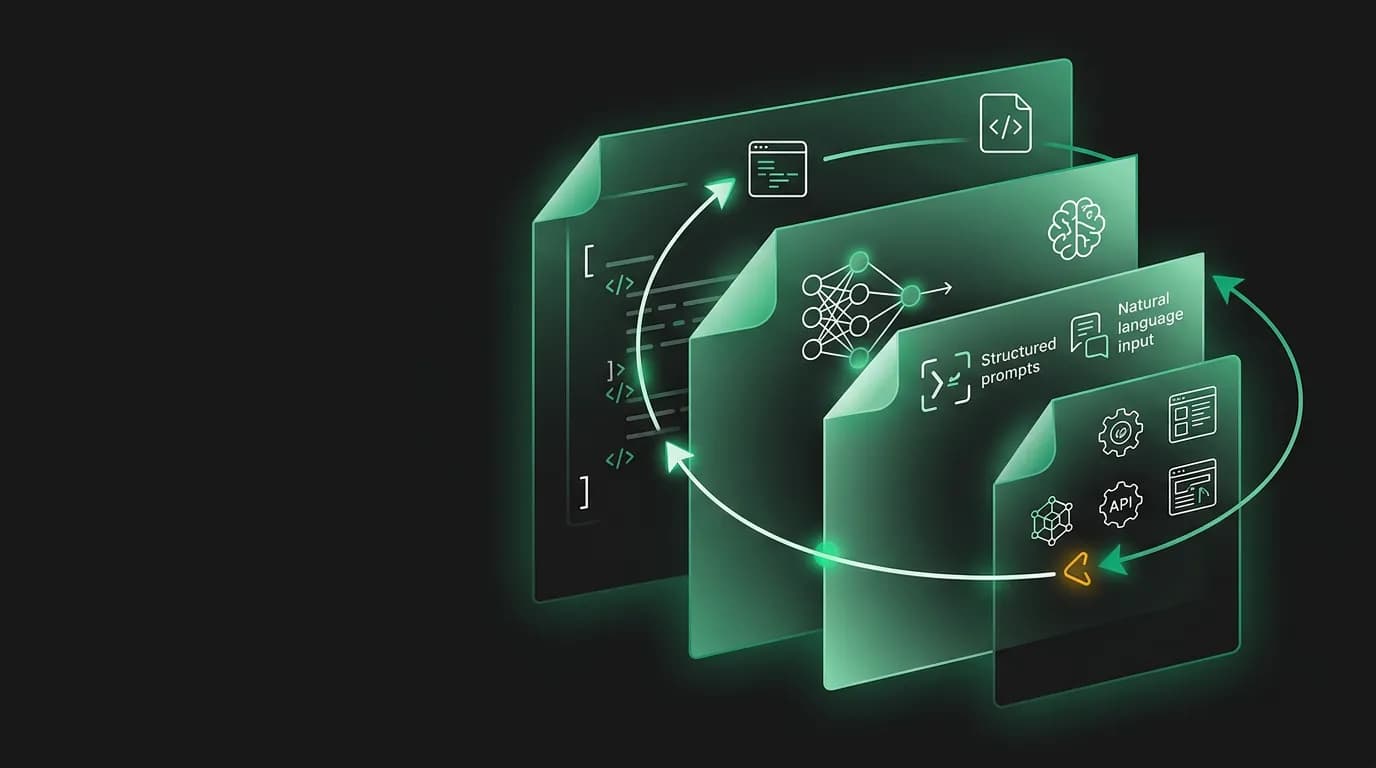
Rollback Strategies When Your AI Agent Goes Wrong
How to safely revert AI features when they break. Model versions, tool configs, prompt templates, memory state — and what we learned rolling back in prod.
Launch
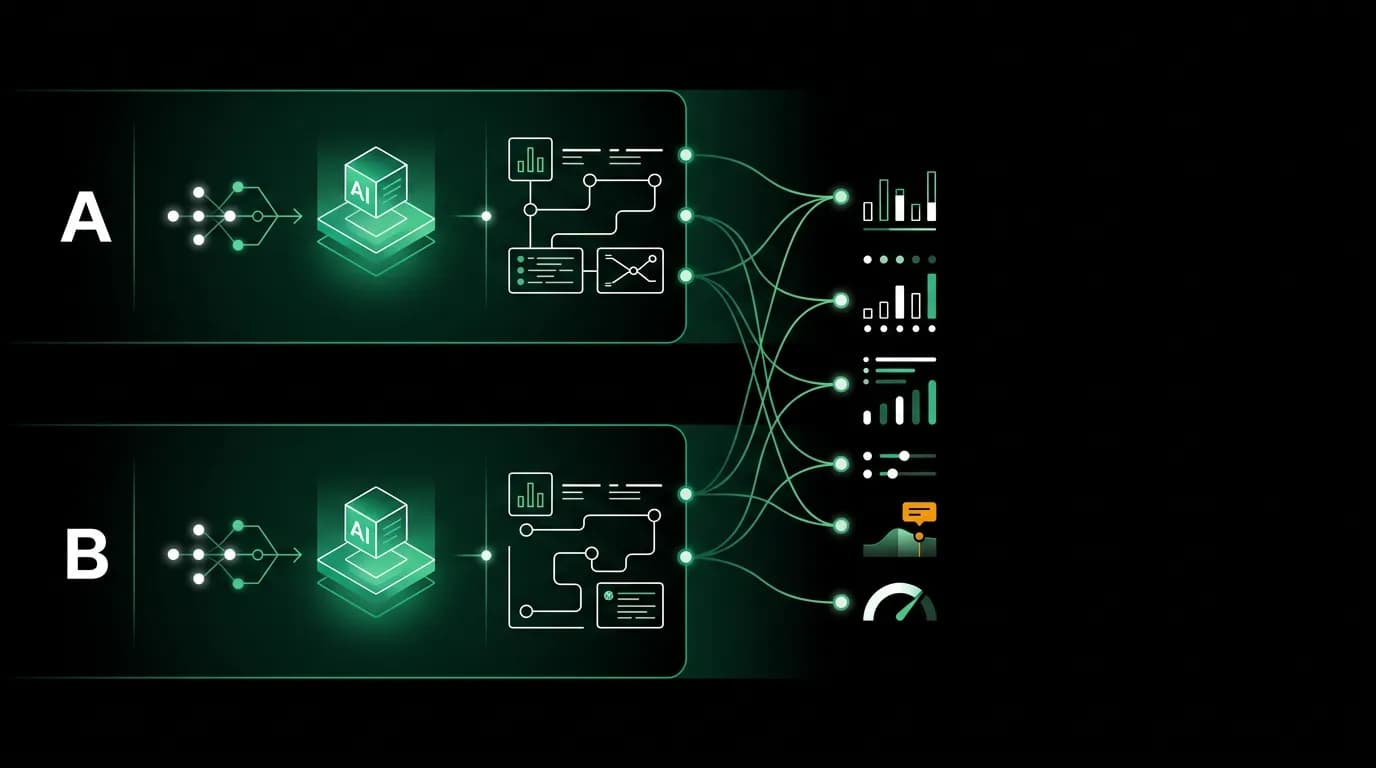
A/B Testing AI Behaviors: Why It Is Harder Than You Think
Sample sizes, non-determinism, qualitative outcomes, and ethical questions — the unique challenges of running controlled experiments on AI agent behavior.

Launch
Launch Communications for AI Products: Changelogs That Drive Adoption
How we write changelogs, blog posts, and announcements for AI feature launches — explaining capabilities without overpromising, for every audience.

Launch
From Launch to Lifecycle: Operating an AI Travel Agent After Ship
What happens after launch day. Ongoing monitoring, continuous evaluation, model updates, and the operational cadence of maintaining a live booking agent.