The Data That Powers \\\"Is This Safe?\\\" Answers
When you ask about destination safety, the AI draws on travel advisories, health data, crime stats, and natural disaster risk to give you honest guidance.
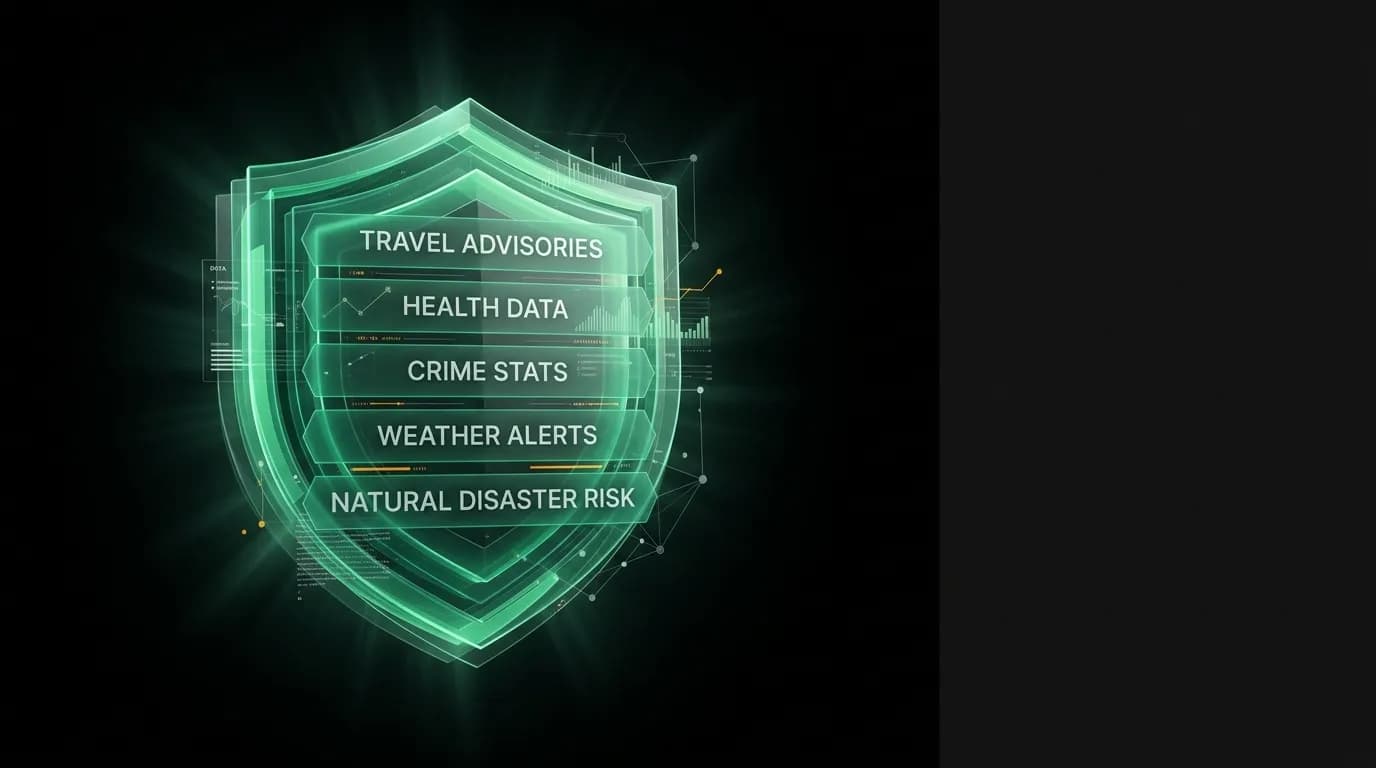
"Is Bogota safe?" It sounds like a simple yes-or-no question, but giving an honest, useful answer requires pulling from at least five distinct data layers. Government travel advisories tell one story. Crime statistics tell another. Health data adds a third. Natural disaster risk adds a fourth. And the specific context of the traveler — where they are staying, what they are doing, when they are visiting — shapes how all of those layers apply.
Safety questions are among the top ten question types travelers ask an AI travel agent. They deserve better answers than a blanket "exercise caution."
Government travel advisories: what they say and what they miss
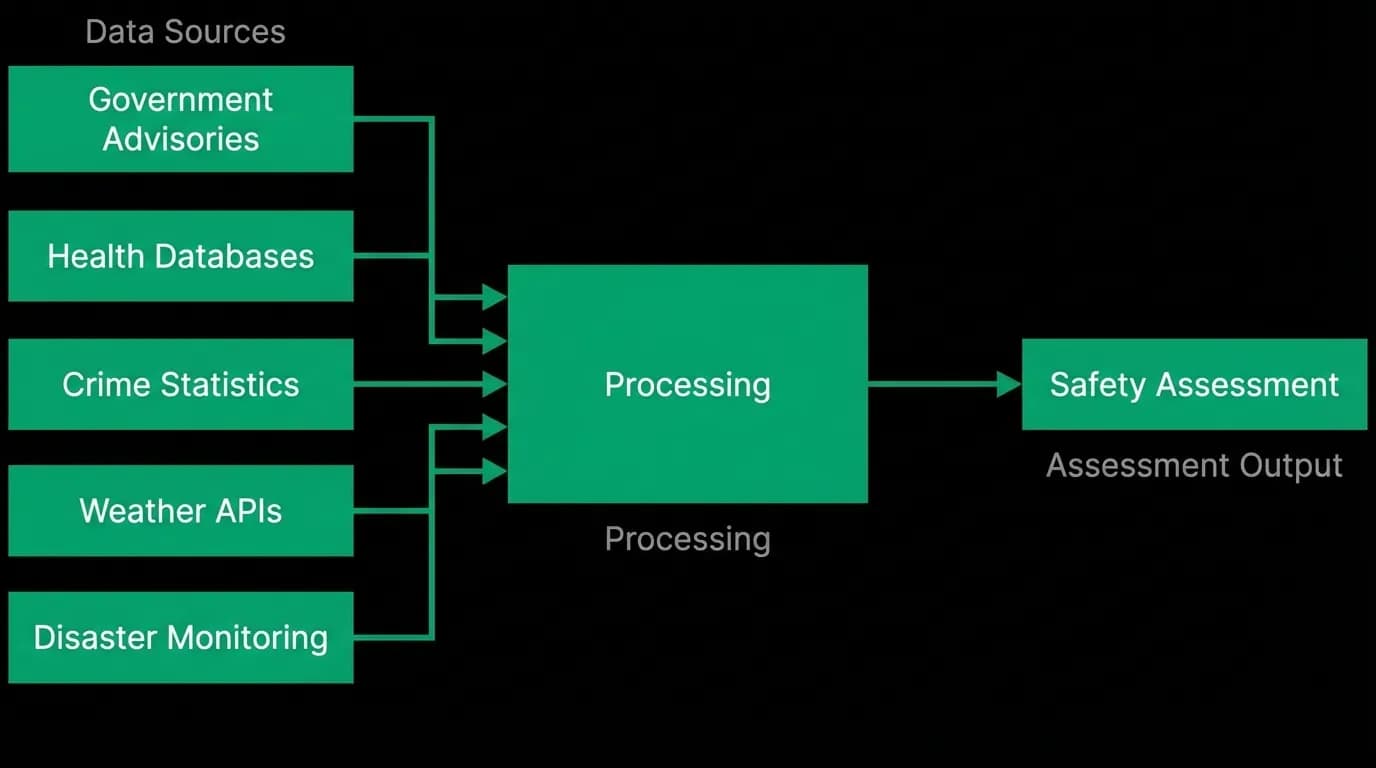
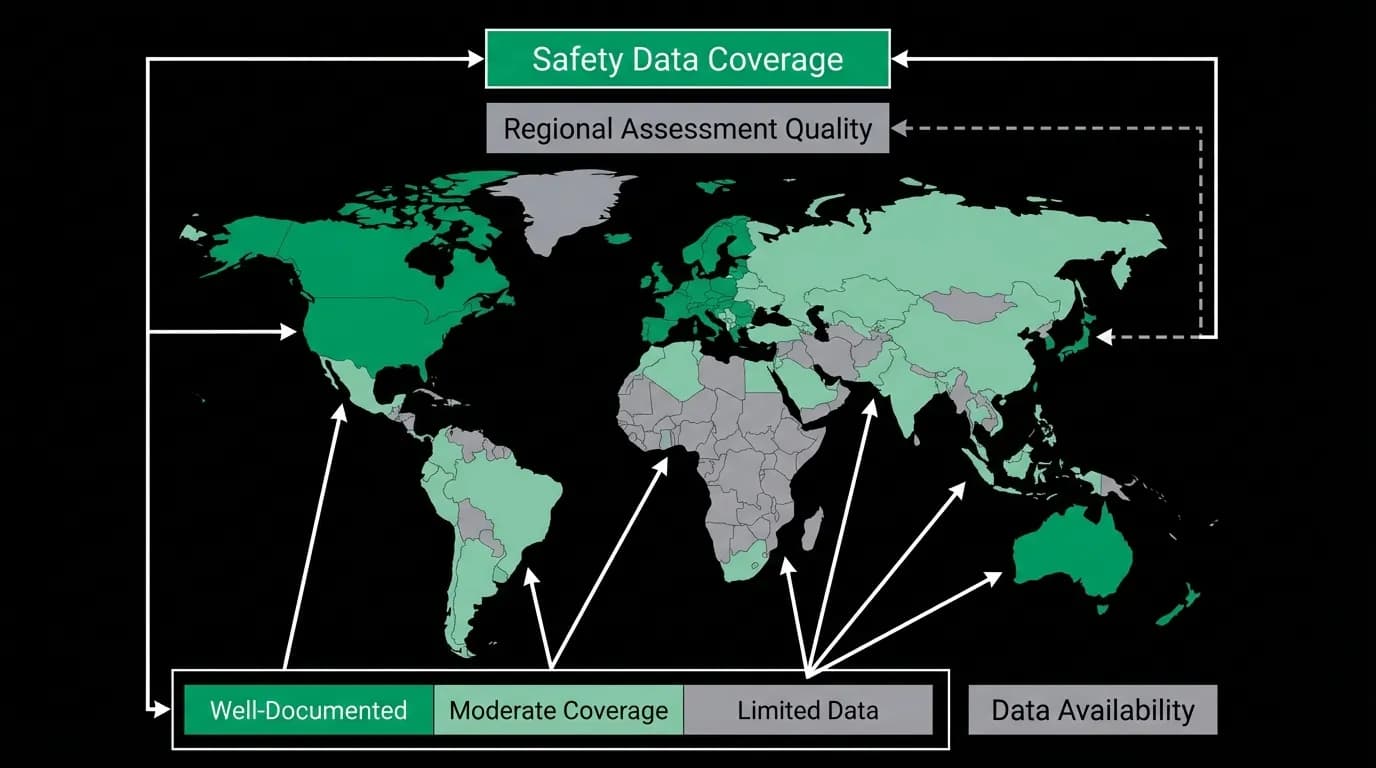
Government advisories from agencies like the US State Department, the UK Foreign Office, and equivalent bodies in other countries provide a baseline safety assessment for over 200 countries. These advisories categorize destinations on a scale from "exercise normal precautions" to "do not travel."
They are a reasonable starting point but have significant limitations. Advisories update inconsistently — some countries have not had their assessments refreshed in months, even when conditions have changed. They tend to be conservative, sometimes maintaining elevated warnings long after a specific threat has passed. And they apply to entire countries, which flattens important distinctions. Colombia might carry a general advisory, but the safety profile of Bogota's tourist neighborhoods is dramatically different from remote border regions.
The AI uses advisories as one input but contextualizes them. When you ask about a specific destination, the response accounts for which part of the country you are visiting, not just the country-level assessment.
Health data: beyond vaccination requirements
Health data for travelers encompasses vaccination requirements, disease risk by region and season, healthcare infrastructure quality, and current outbreak information. This data covers 190-plus destinations and changes more frequently than most travelers realize.
Vaccination requirements are the most straightforward component — some countries require proof of yellow fever vaccination, for example, and failing to have it means you will not clear immigration. But the broader health picture matters too. A traveler with specific medical conditions needs to know about healthcare quality at their destination. A family with young children needs to know about food and water safety. Someone visiting during rainy season in Southeast Asia needs to understand dengue risk.
The AI synthesizes these health signals into practical guidance rather than clinical data. Instead of listing disease prevalence statistics, it tells you what precautions matter for your specific trip.
Natural disaster risk
Natural disaster risk varies dramatically within small geographic areas, and it is seasonal. Hurricane season (June through November) affects the Caribbean and Gulf Coast. Earthquake zones span the Pacific Ring of Fire. Monsoon seasons shift across South and Southeast Asia. Wildfire risk peaks during dry months in Mediterranean climates, California, and Australia.
The AI factors disaster risk into both destination recommendations and timing suggestions. If you are planning a Caribbean trip during peak hurricane season, the AI will flag the risk and might suggest alternative timing or destinations with lower exposure. This is not about being alarmist — it is about ensuring you have the information to make an informed decision.
Crime statistics in context
Raw crime statistics are some of the most misunderstood data in travel. A city's overall crime rate tells you very little about the experience of a tourist staying in a well-traveled neighborhood. Crime is highly localized, and the neighborhoods where tourists spend time often have very different safety profiles from the city-wide average.
The AI contextualizes crime data at the neighborhood level when possible. It distinguishes between property crime (pickpocketing, bag snatching) and violent crime, because the precautions differ. And it accounts for time of day, since many destinations that feel perfectly safe during daylight hours warrant more caution after dark in certain areas.
This contextualization is important because blanket safety warnings can discourage travel to destinations that millions of people visit safely every year. The goal is not to scare you but to prepare you.
Synthesizing multiple sources into honest guidance
The real value of AI-powered safety assessment is synthesis. A human researcher could find each of these data sources individually, but cross-referencing government advisories with local crime data with health information with weather risk with natural disaster exposure takes hours of work for a single destination. The AI does it in seconds.
The synthesis is designed to be honest, not promotional. If a destination has genuine safety concerns, the AI says so clearly. It does not bury risks in fine print or dismiss them with vague reassurances. Equally, it does not amplify low-probability risks into deal-breakers. The goal is a balanced, contextual assessment that helps you travel with your eyes open.
Ask Nowah about any destination's safety profile before you book. The AI pulls from five data layers to give you an honest, nuanced answer that goes far beyond a generic travel advisory.
Nowah is an AI travel agent that searches and books real flights and hotels through conversation — no filters, no thirty open tabs. Plan your next trip.