Latest
Fresh fromthe journal.
Page 5 of 8
Infrastructure
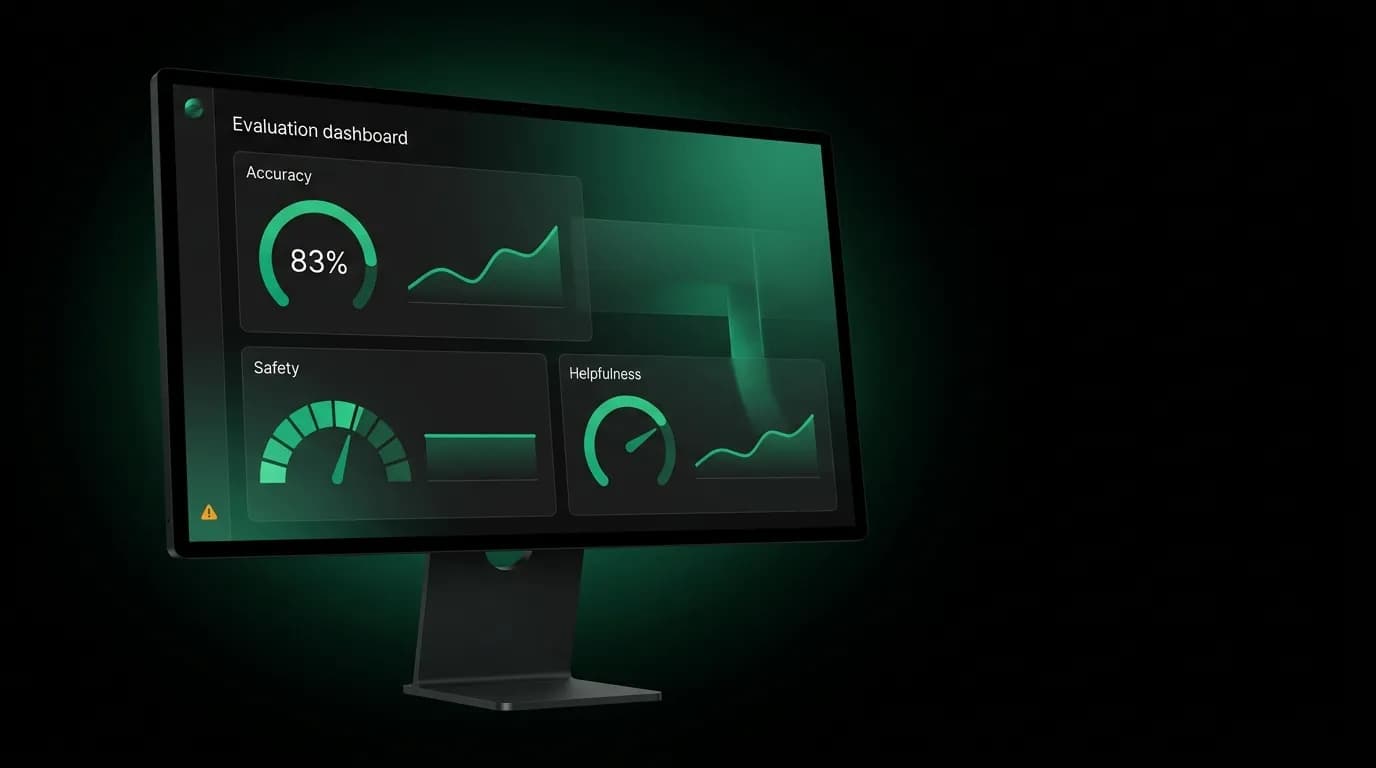
Evaluating AI Agent Quality: Beyond Unit Tests
How we test and evaluate our AI travel agent's recommendations, safety, and reliability — evaluation datasets, adversarial testing, and continuous monitoring.
Infrastructure
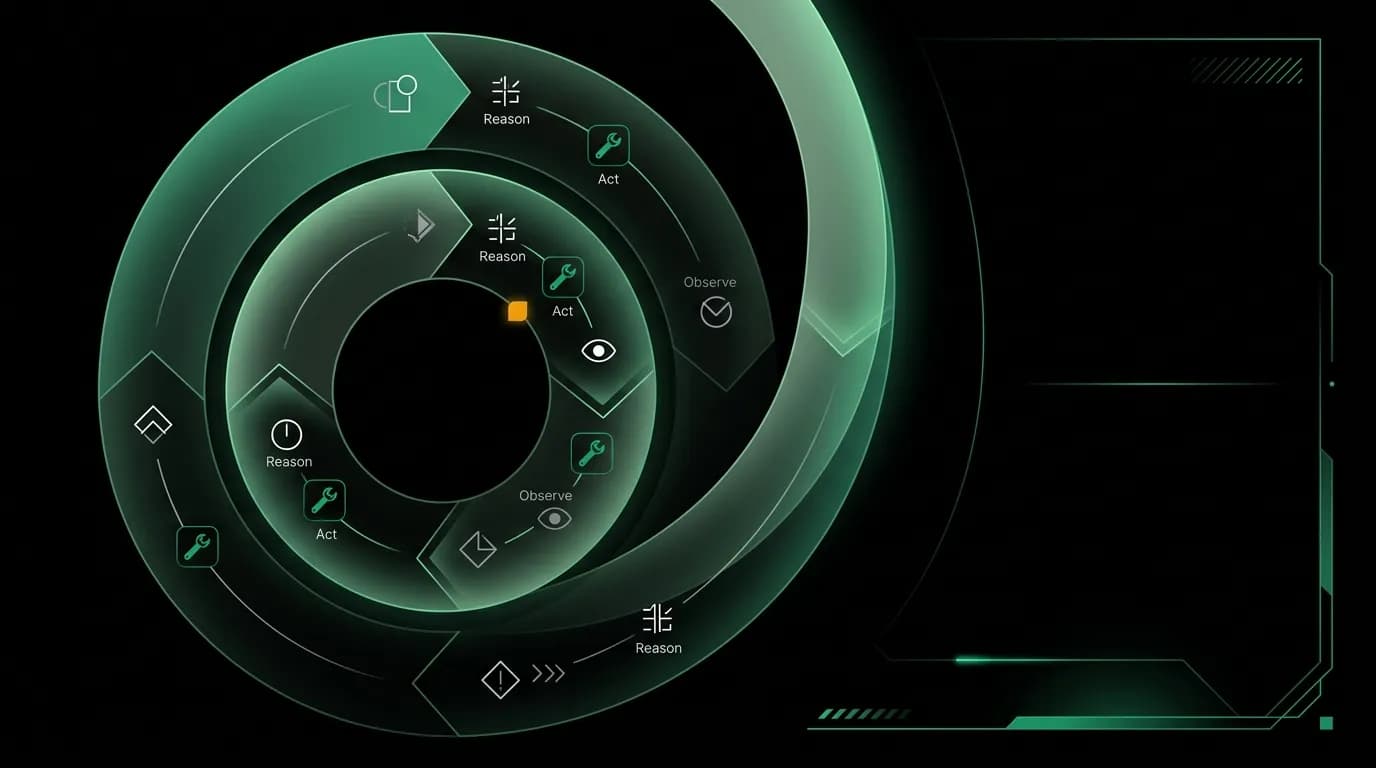
The AI Agent's Decision Loop: Reasoning, Acting, Observing
How our AI travel agent decides what to do next when processing a complex travel request — multi-step planning, error recovery, and human confirmation gates.

Infrastructure
Serving Travelers on Every Continent
Infrastructure strategies for low-latency travel booking from anywhere in the world — CDN strategy, edge computing, and measuring global performance.
Infrastructure
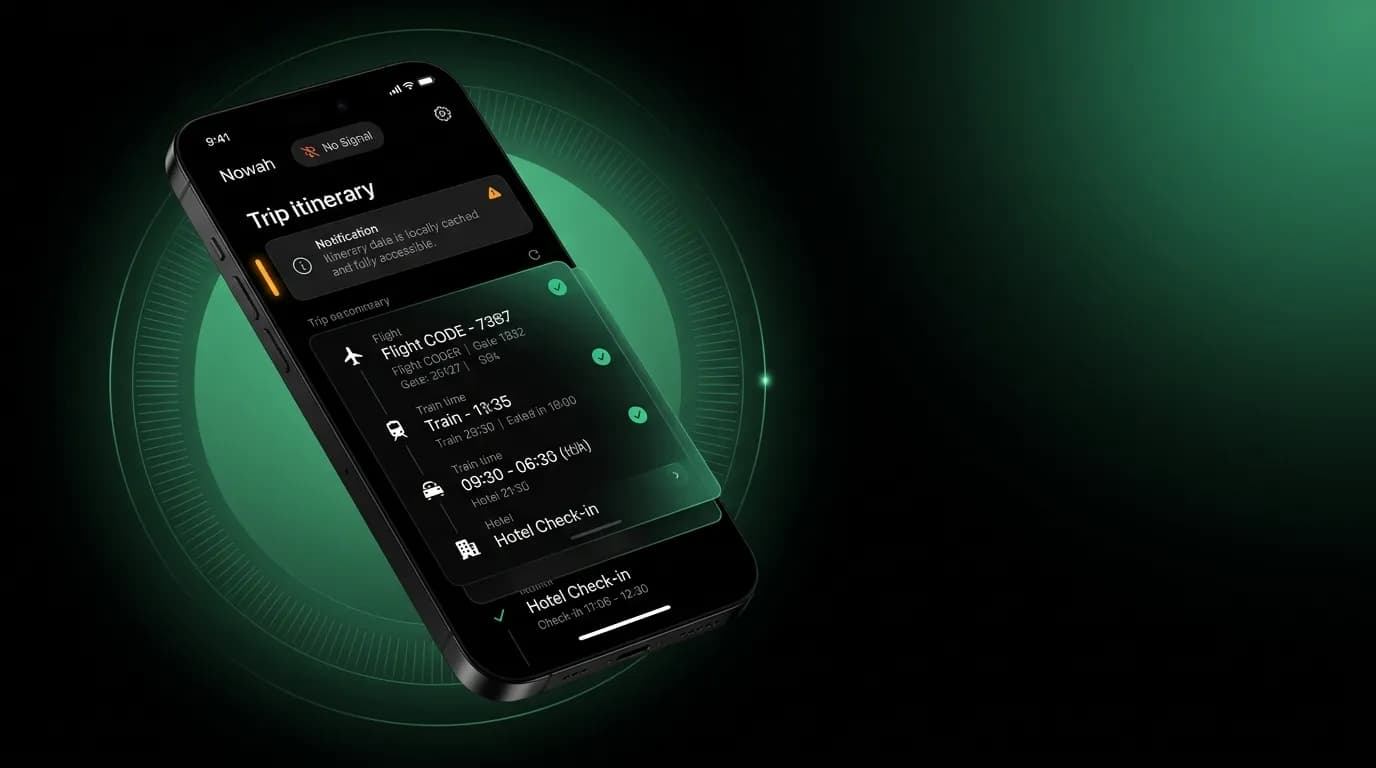
Offline-First for Travelers
How we ensure travelers can access itineraries, boarding passes, and hotel confirmations without an internet connection — local storage, sync, and conflict resolution.
Infrastructure
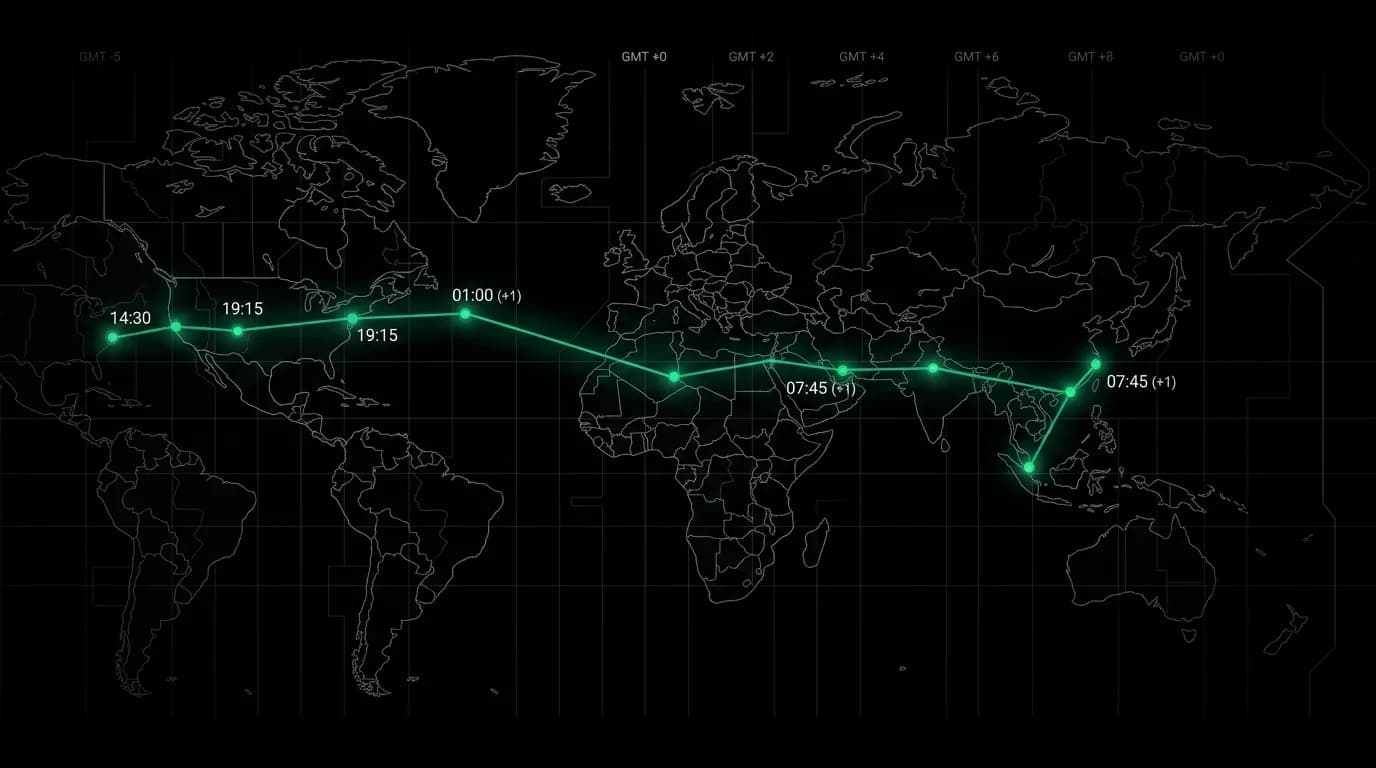
Time Zones Are a System Design Problem
How we handle flights that cross 12 time zones, layovers in UTC+5:30, and travelers who do not know what time zone they will be in tomorrow — storage, display, and edge cases.

Infrastructure
CDN Strategy for a Travel Platform
What we serve from the edge, what we do not, and why personal travel documents are never cached — static assets, dynamic content, and privacy boundaries.

Infrastructure
Push Notification Infrastructure for Travel Alerts
How we deliver gate changes, delay alerts, and booking confirmations to travelers' phones in seconds — delivery pipeline, platform routing, and retry logic.
Infrastructure
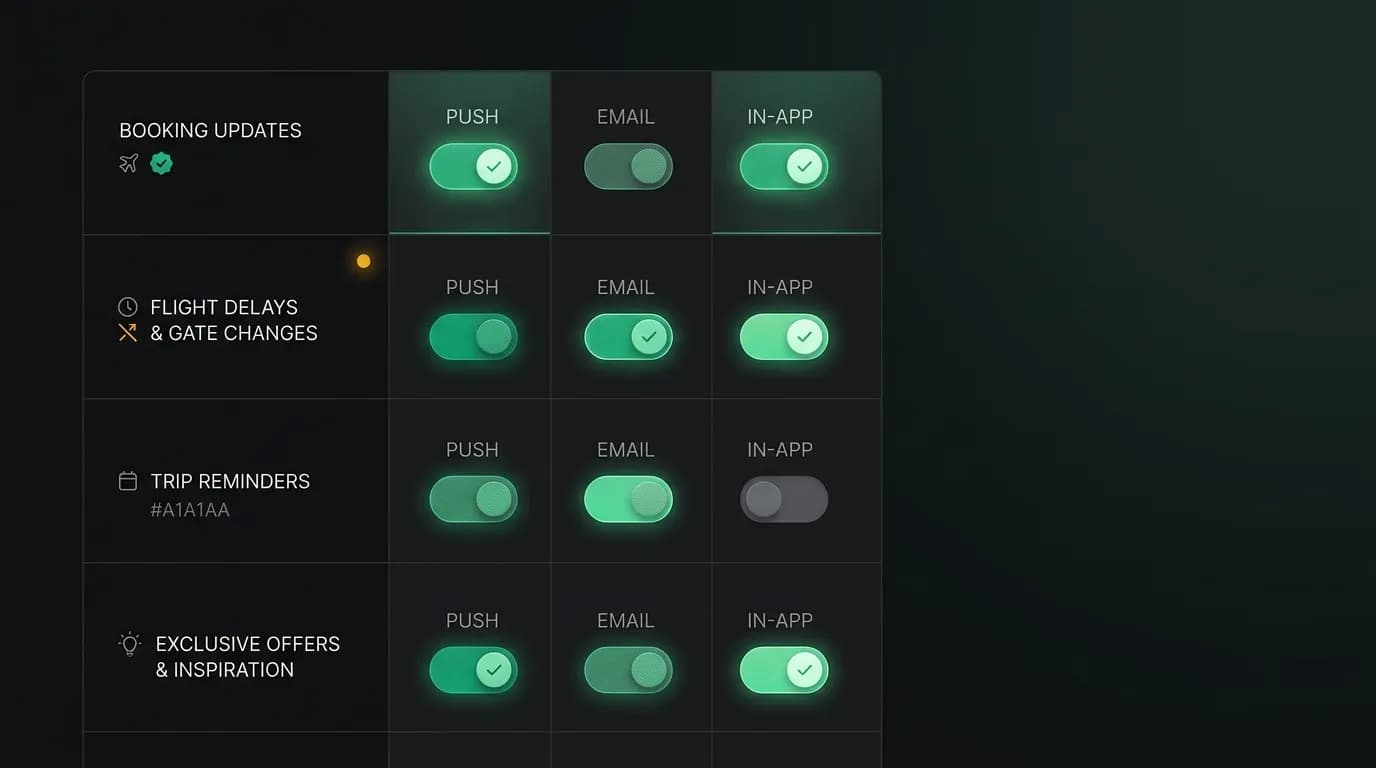
Notification Preferences Done Right
How we let travelers control exactly what notifications they receive, through which channels, and when — per-category, per-channel, with quiet hours enforcement.
Infrastructure
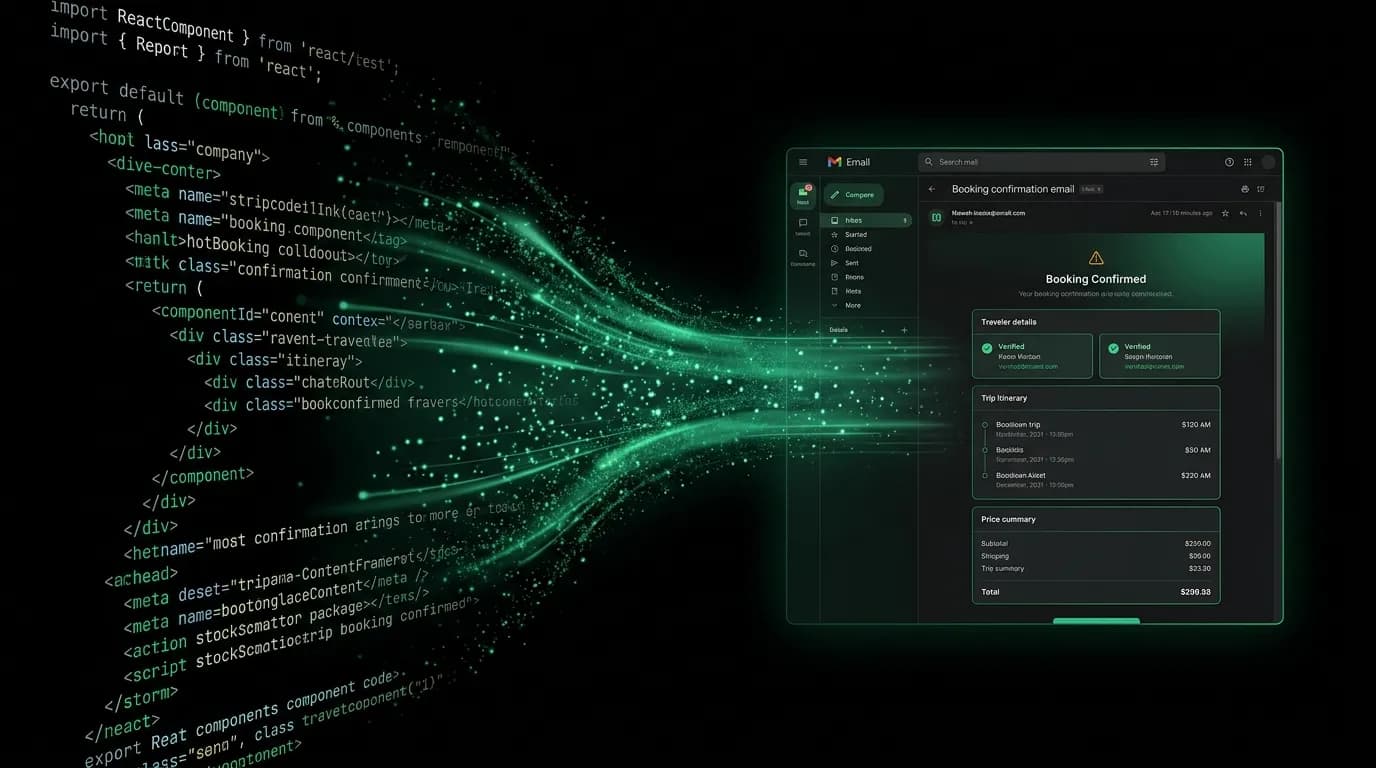
Building Email Templates as Components
Why we use the same component model for emails and app UI, and how it simplifies our development workflow — shared design tokens, testing, and versioning.