Planning India: Payment Localization and Market-Specific Challenges
Adapting the platform for India — UPI and netbanking integration, currency handling, regional travel patterns, and regulatory considerations for AI travel.
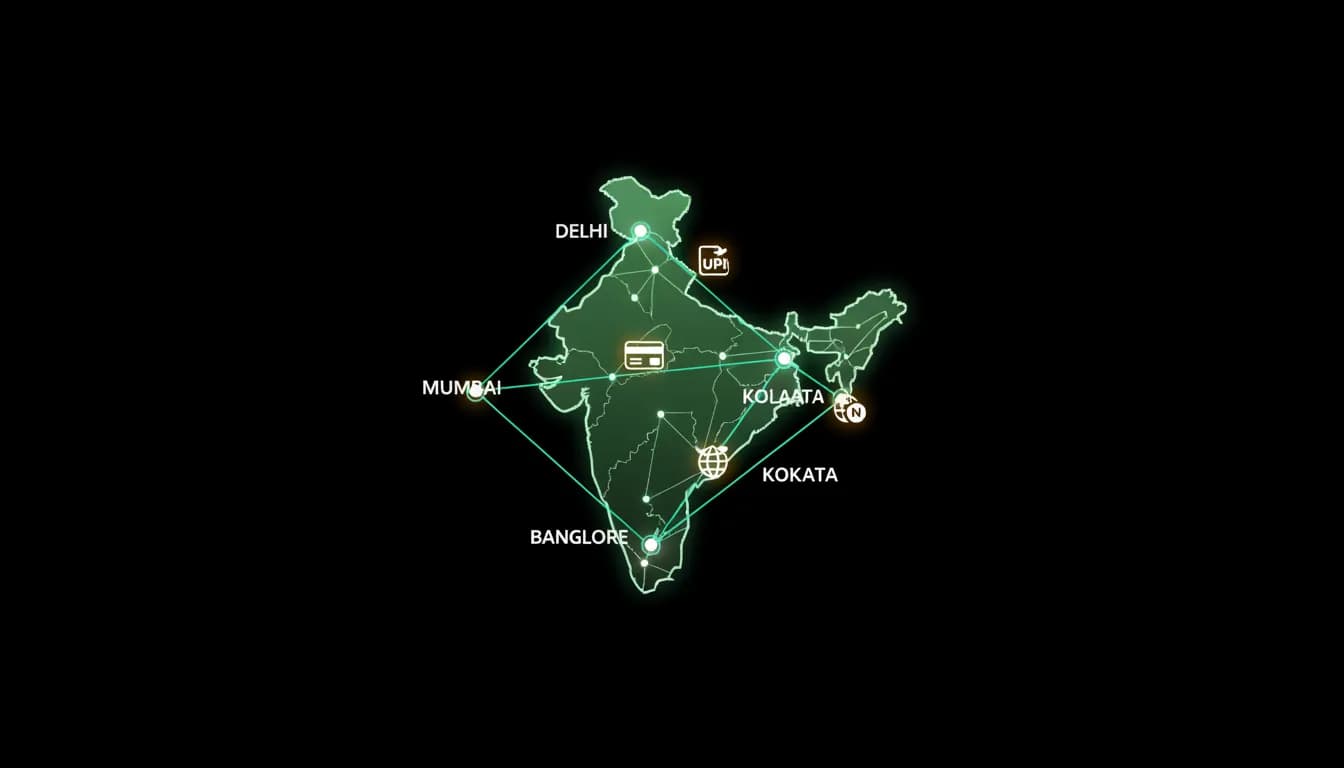
Our first Indian beta tester tried to pay with UPI and got a credit card form. That single interaction told us everything we needed to know about why payment localization is a launch gate, not a nice-to-have. UPI processes over ten billion monthly transactions in India. Launching a travel platform in India without UPI support is like launching a restaurant without a front door.
Payment localization as a launch gate
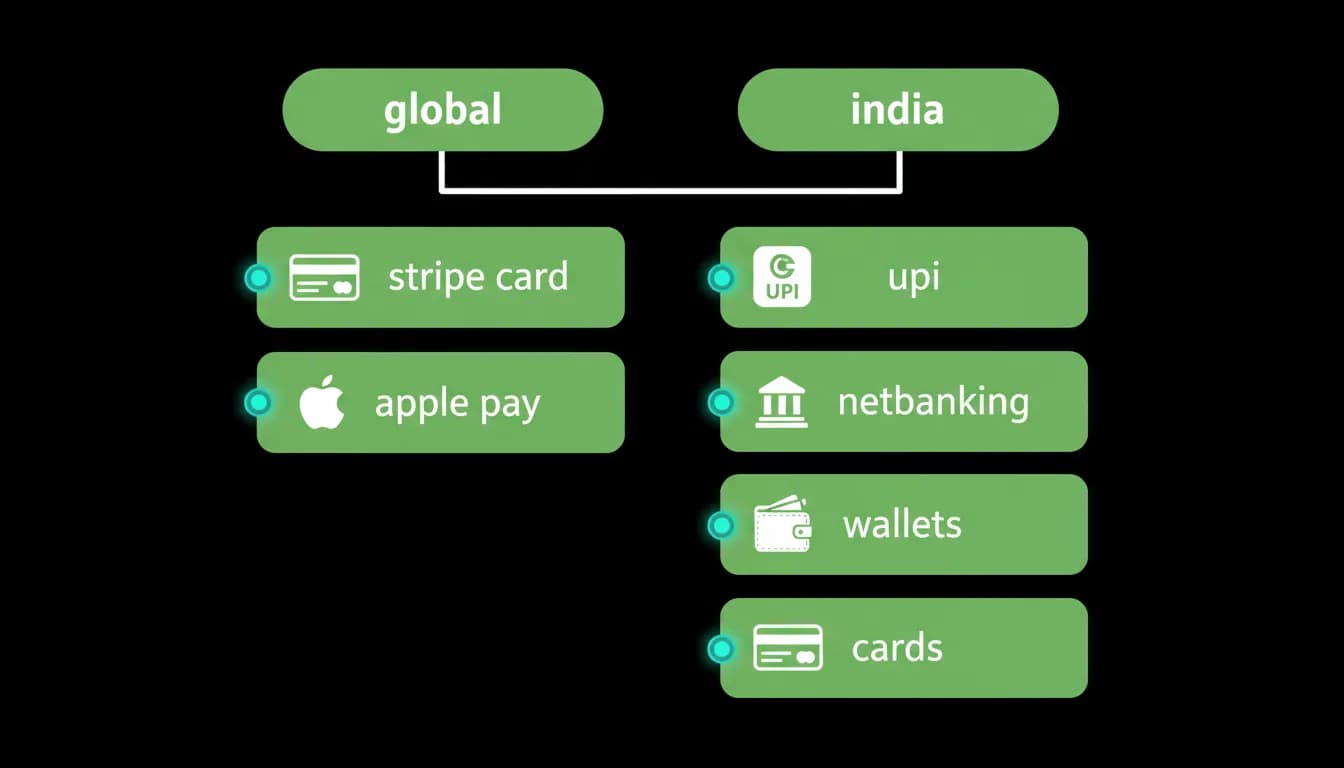
India's payment landscape is dominated by UPI, followed by netbanking, mobile wallets, and then credit cards. The ordering is almost exactly the reverse of the US market. A platform that only supports international credit cards through our primary payment processor will capture a fraction of Indian travelers.
We integrated local payment methods to support the full range of how Indian travelers pay. UPI for instant bank-to-bank transfers. Netbanking for direct bank payments. Popular mobile wallets for convenience. And international cards for the segment of travelers who use them.
Currency display required careful thought. Indian travelers want to see prices in INR, but many international flights and hotels price in USD or the local currency of the destination. We show the INR equivalent prominently alongside the booking currency, with clear disclosure of the conversion rate and any fees. Transparency about exactly what the traveler pays in their home currency builds trust that opacity destroys.
Regional travel patterns
India's domestic travel patterns are different from any other market we operate in. Air travel often combines with rail for multi-leg journeys, especially for mid-range distances where a train is competitive with a flight. The agent needs to understand that a traveler going from Mumbai to Varanasi might prefer a flight to Delhi and a train onward, rather than a connecting flight.
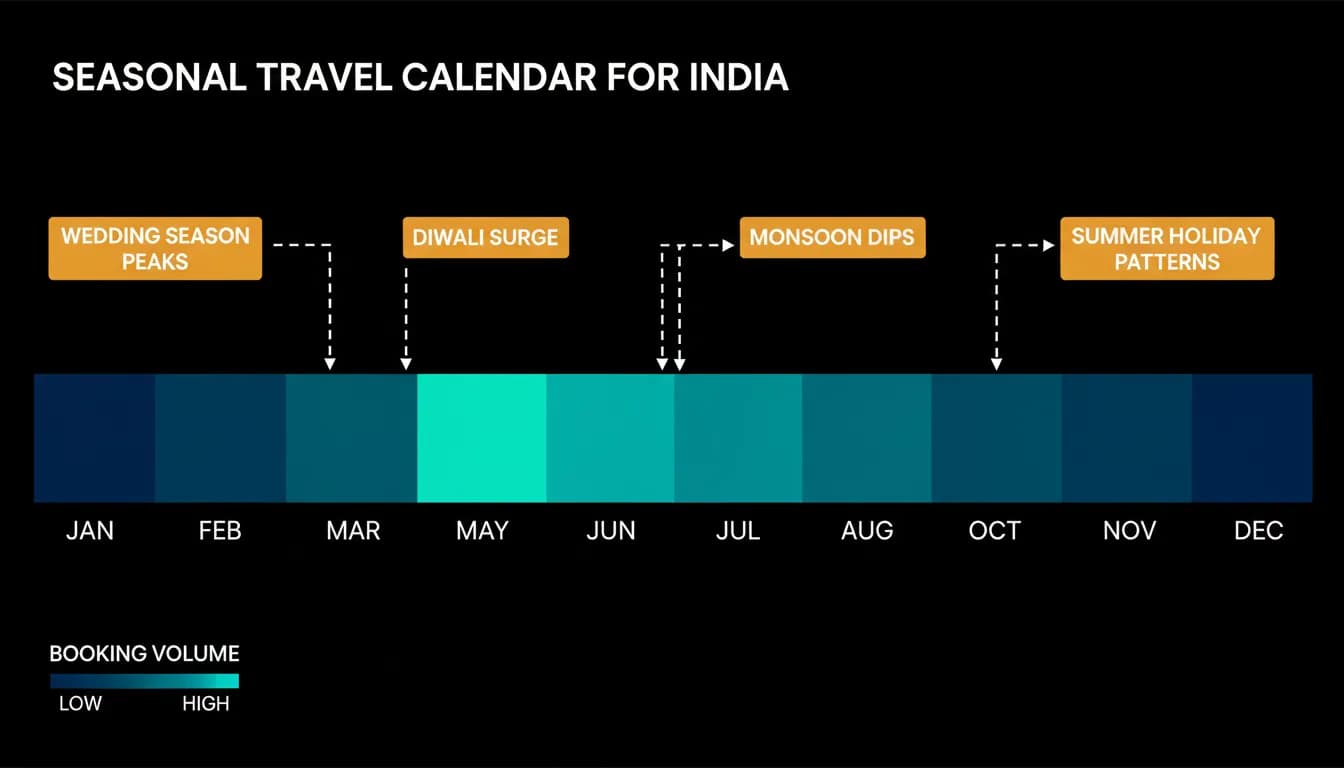
Seasonal patterns are also distinctive. Diwali creates an enormous travel surge that resembles the combination of Thanksgiving, Christmas, and New Year condensed into one week. Wedding season, which runs through certain months, drives domestic travel to specific destinations. Monsoon season affects availability and pricing for coastal and hill station destinations.
The agent's knowledge base includes these patterns so it can provide contextually appropriate recommendations. Suggesting a beach trip to Goa during monsoon season would undermine the agent's credibility with any Indian traveler.
Cultural context in agent responses
Beyond language translation, the agent's communication style needs to adapt for the Indian market. Direct, concise responses work in some markets. Indian travelers generally expect more detailed, courteous interactions with explanations for recommendations and alternatives.
When the agent suggests a hotel, it does not just say "here are three options." It explains why each option might be appropriate: proximity to a temple, proximity to a market, or proximity to the business district. This level of context is expected and builds the kind of trust that converts a curious first-time user into a repeat traveler.
Launching in India is why we design for market localization is not translation. It is understanding how people in that market think about travel, pay for travel, and evaluate travel recommendations. Every aspect of the product, from payment methods to seasonal awareness to communication style, needs to reflect that understanding.
Nowah is an AI travel agent that searches and books real flights and hotels through conversation — no filters, no thirty open tabs. Plan your next trip.