Latest
Fresh fromthe journal.
Page 21 of 35

Product
Why We Track Time-to-Book, Not Just Conversion Rate
Conversion rate is a lagging indicator. Time-to-book measures experience quality — from 45 sessions over 3 months to one conversation in minutes.

Product
The Post-Booking Experience: Why It Shouldn't End at Payment
Most travel apps send a confirmation email and disappear. AI-powered post-booking — itineraries, updates, local tips — turns transactions into retention.
Product
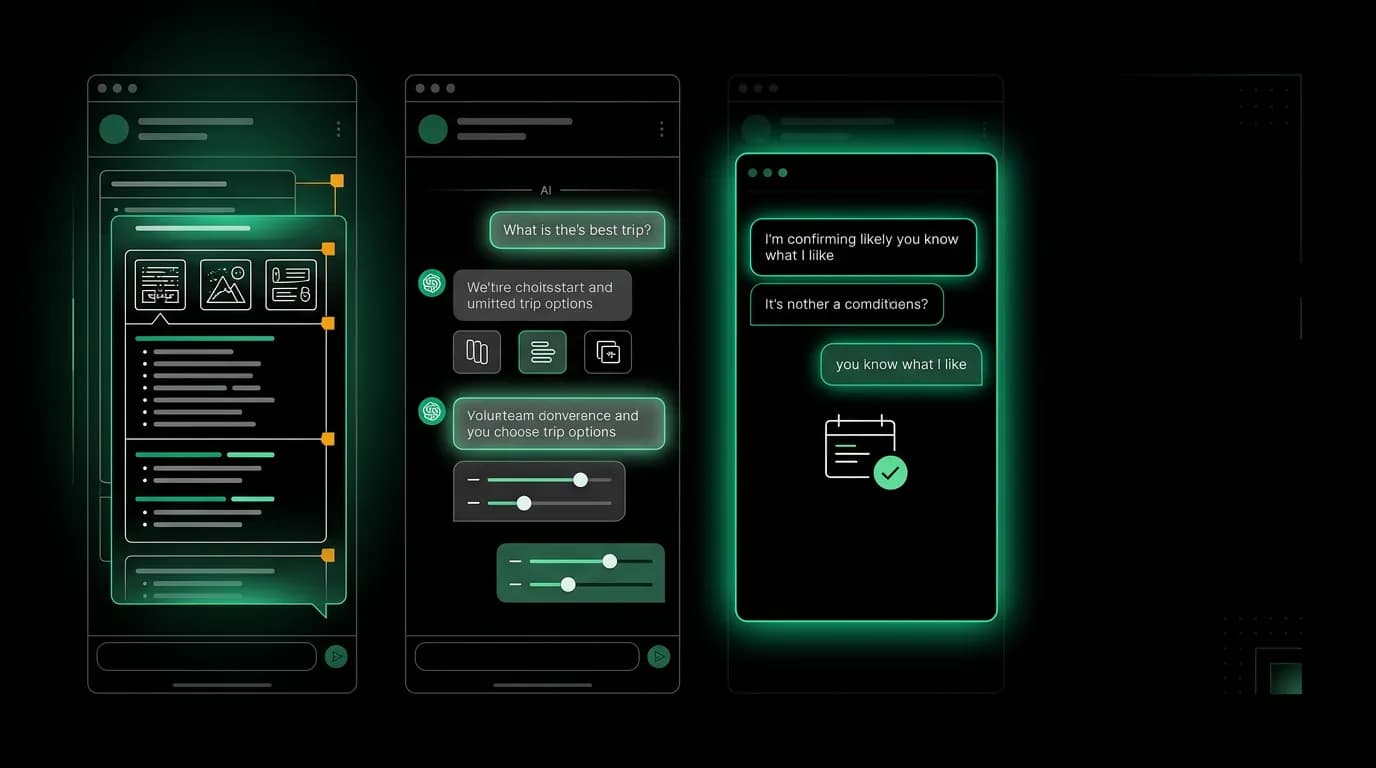
The \\\"Just Do It For Me\\\" Moment: When Users Start Delegating
New users micromanage every search parameter. Experienced users say \\\"book me something for London — you know what I like.\\\" That shift is the product goal.
Product
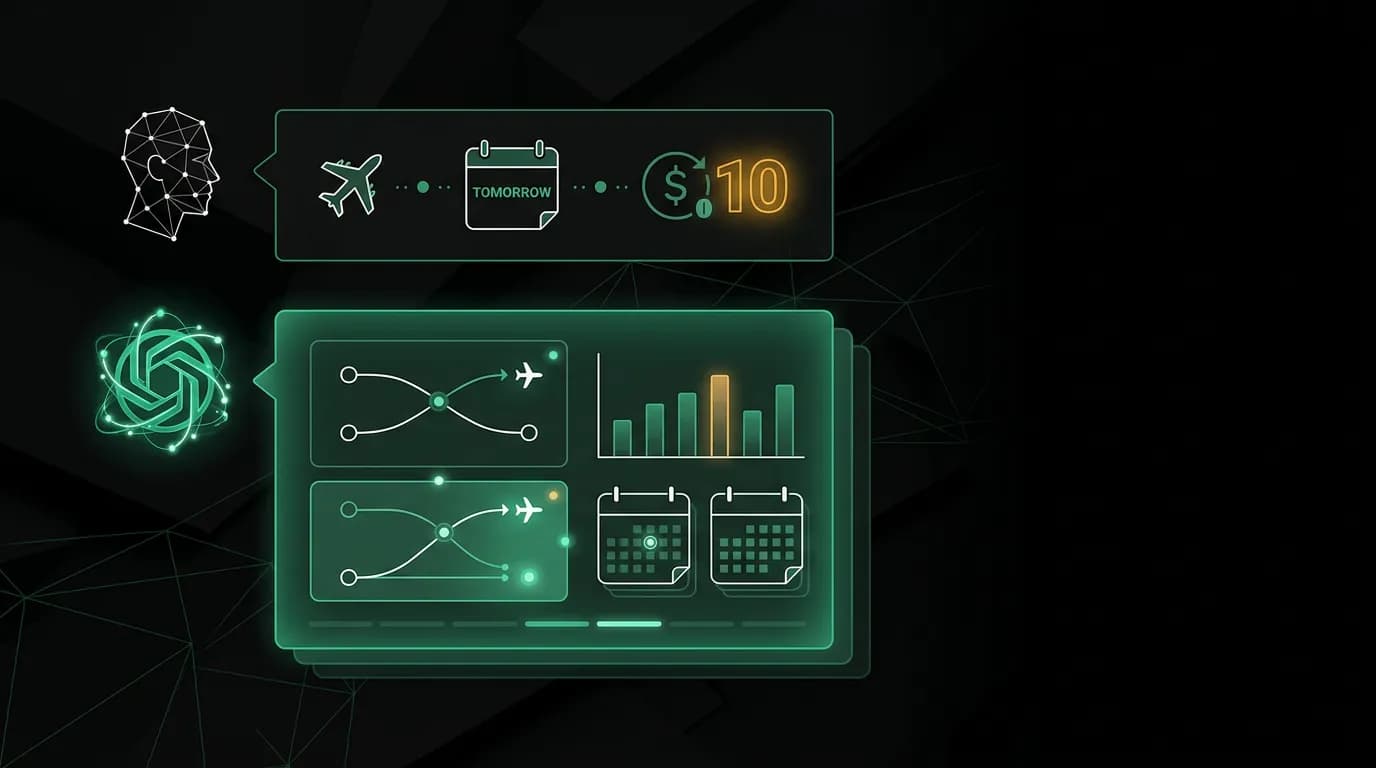
When Users Test the AI: Edge Cases That Make or Break Trust
Users deliberately probe with impossible requests and trick questions. How the agent handles \\\"$50 flights to Tokyo\\\" determines whether trust survives.
Product
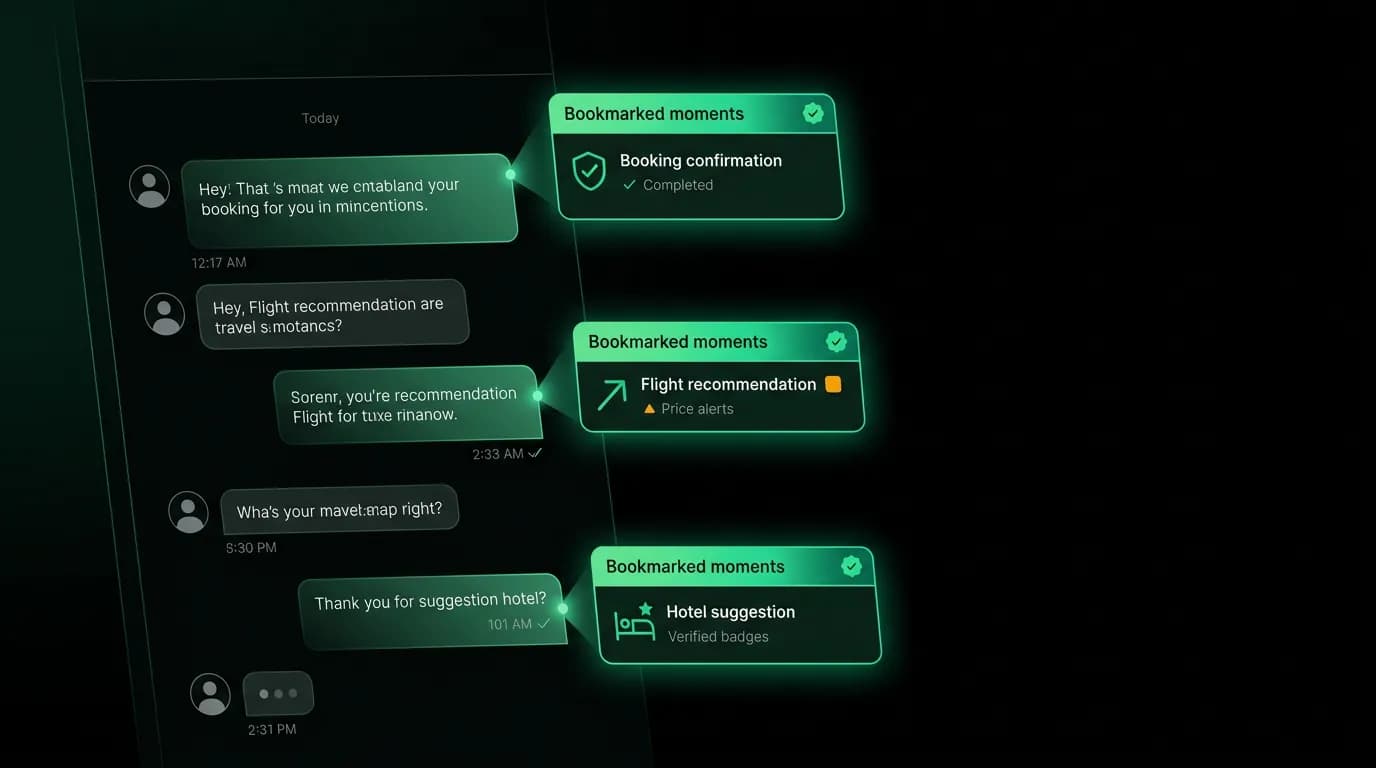
Why Chat History Matters: Revisiting Past AI Conversations
Users return to past chats for booking details, old recommendations, and trip context. Designing navigable, searchable chat history is an overlooked challenge.

Product
The Sound of AI: Designing Audio Feedback for Agent Interactions
Booking confirmation should sound celebratory. Typing indicators need subtle presence. Voice output timing matters. Sound design shapes AI personality.
Product
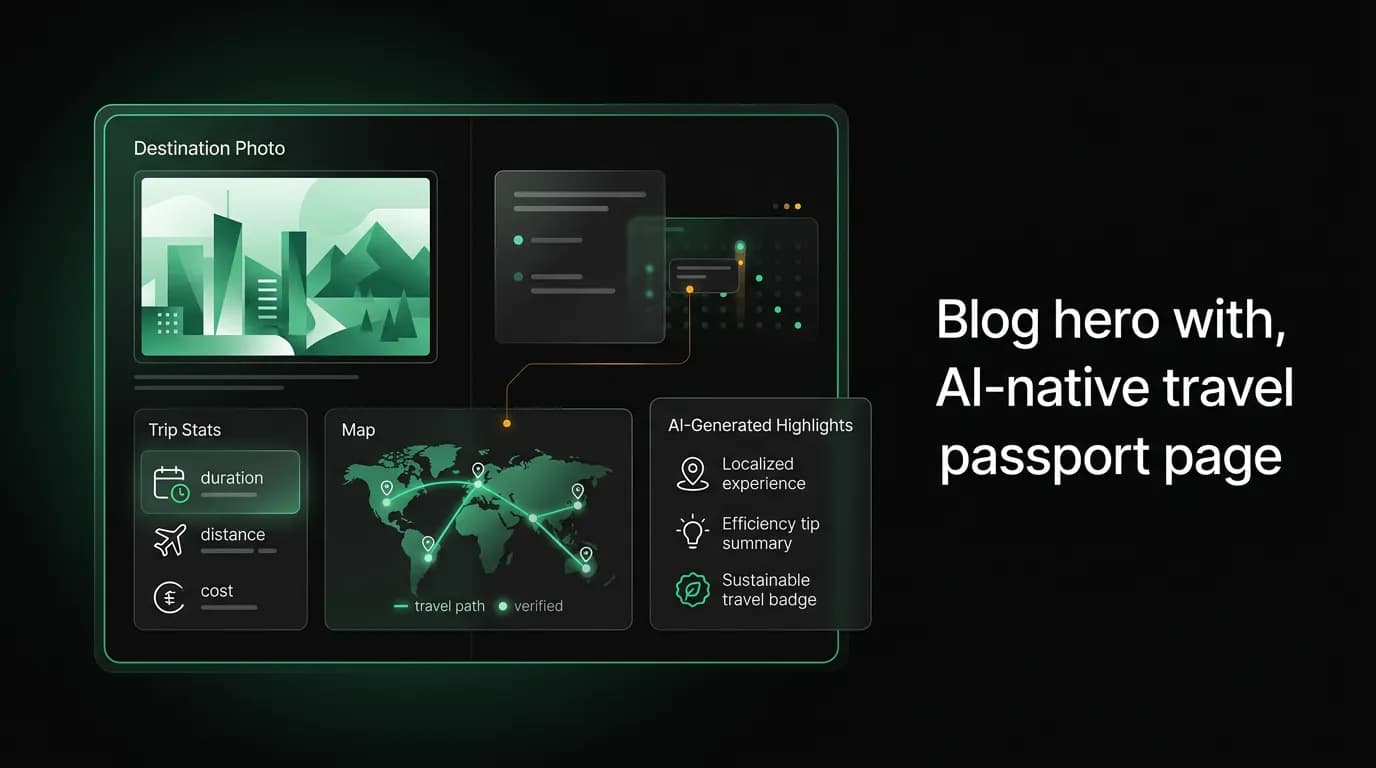
The Passport Tab: Designing an AI-Powered Travel Journal
Travel memories scatter across photos, emails, and apps. The Passport tab consolidates them into AI-generated summaries, stats, and a digital keepsake.

Product
The Future of Travel Booking: No Apps, No Search, Just Agents
The trajectory is clear: search engines to OTAs to metasearch to AI agents. The endgame is ambient intelligence that books travel before you ask.

Product
Why Every Travel Company Will Become an AI Agent Company
Digitization, mobilization, AI-ification — the pattern repeats. Travel companies that do not become AI agent companies will be disrupted by those that do.