Latest
Fresh fromthe journal.
Page 7 of 8
Launch
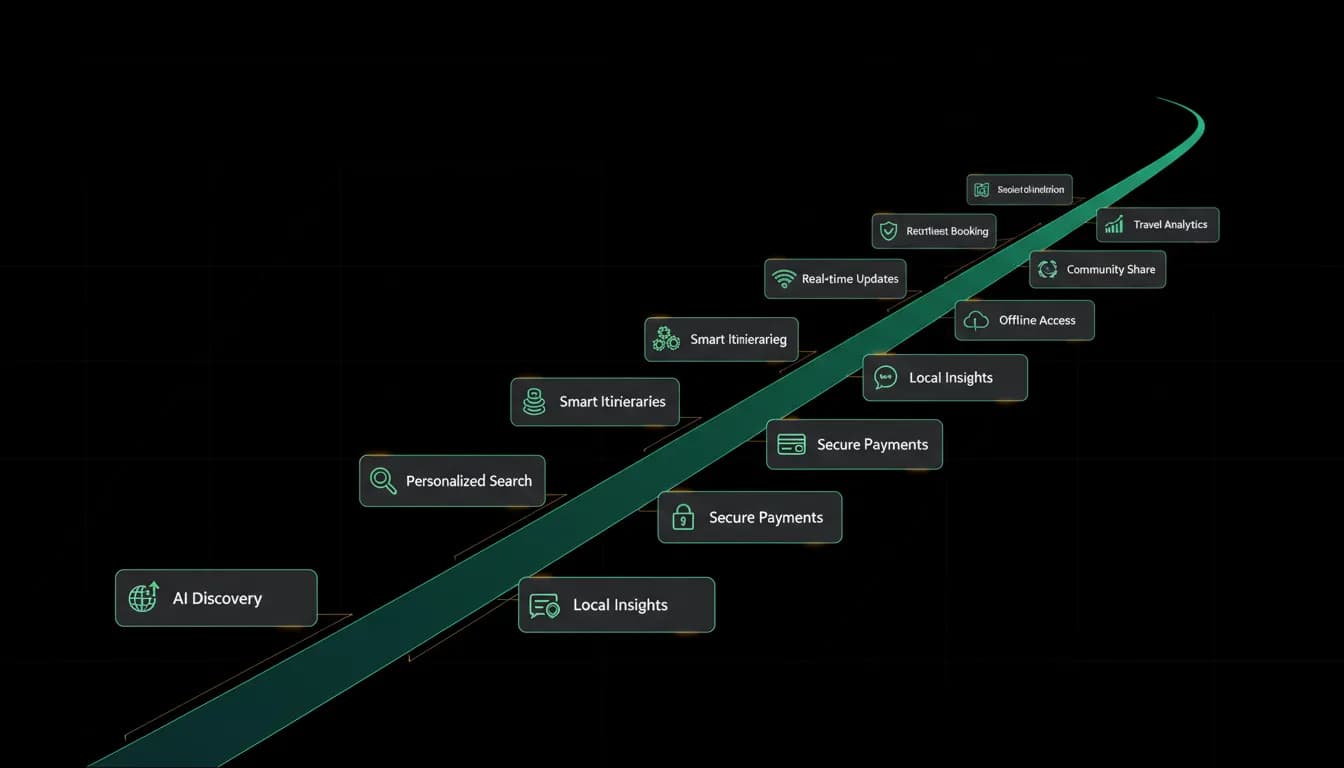
The Next 10 Features on the Roadmap (and Why)
A transparent roadmap — upcoming launches, the reasoning behind prioritization, and how we balance traveler requests with strategic direction. Your input welcome.
Launch
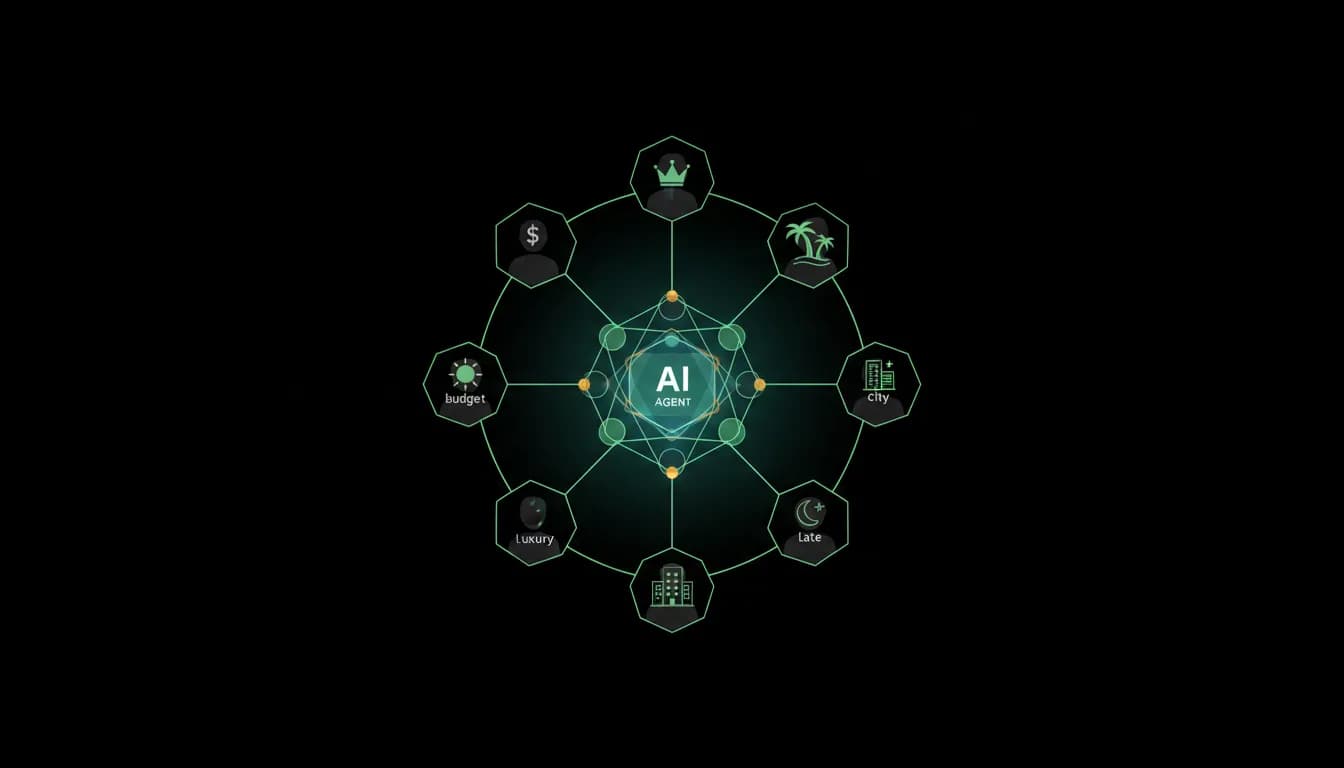
Building Group Travel: The Hardest Problem in AI Trip Planning
The group travel challenge — coordinating multiple travelers, conflicting preferences, shared budgets, consensus-building AI, and multi-party booking flows.
Launch
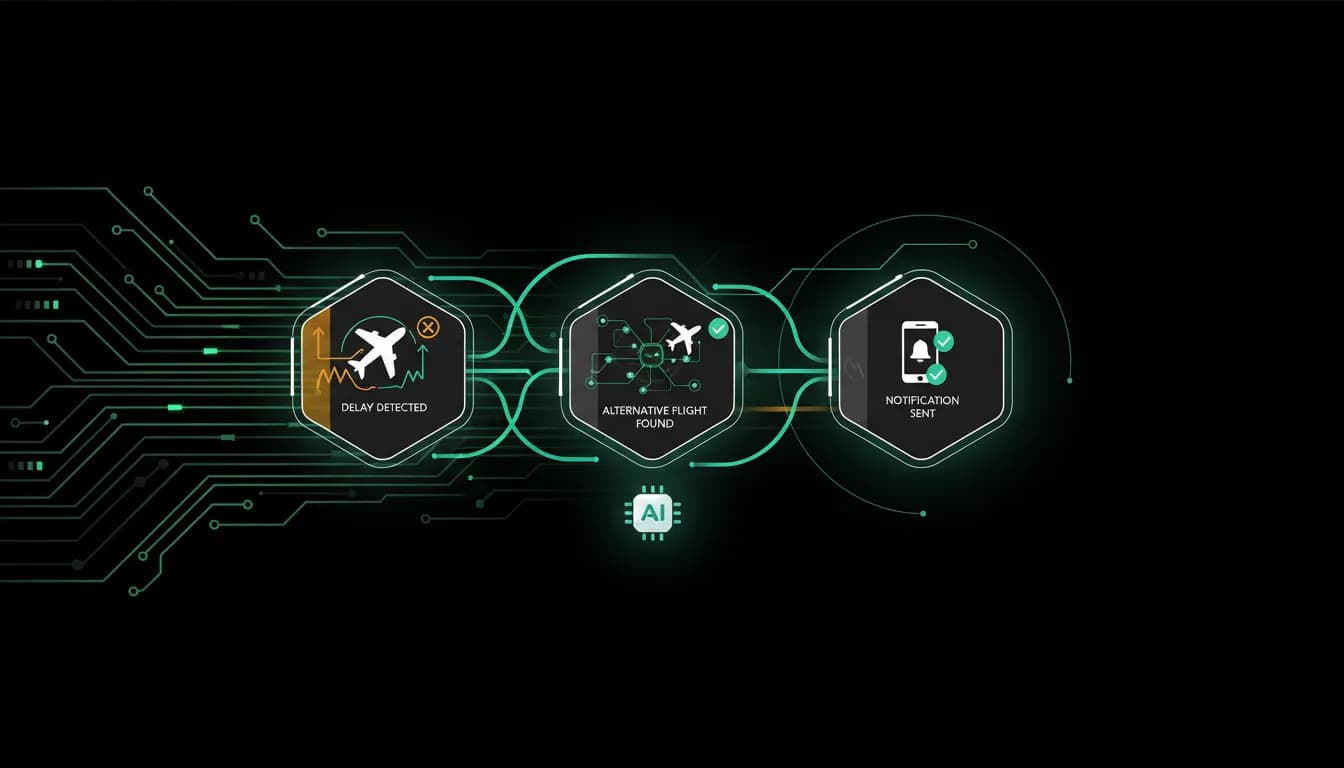
Building Proactive Trip Management: When the AI Agent Acts Without Being Asked
Ambient travel management — proactive rebooking on delays, price monitoring with auto-suggestions, weather-based adjustments, and the trust model for autonomy.
Launch
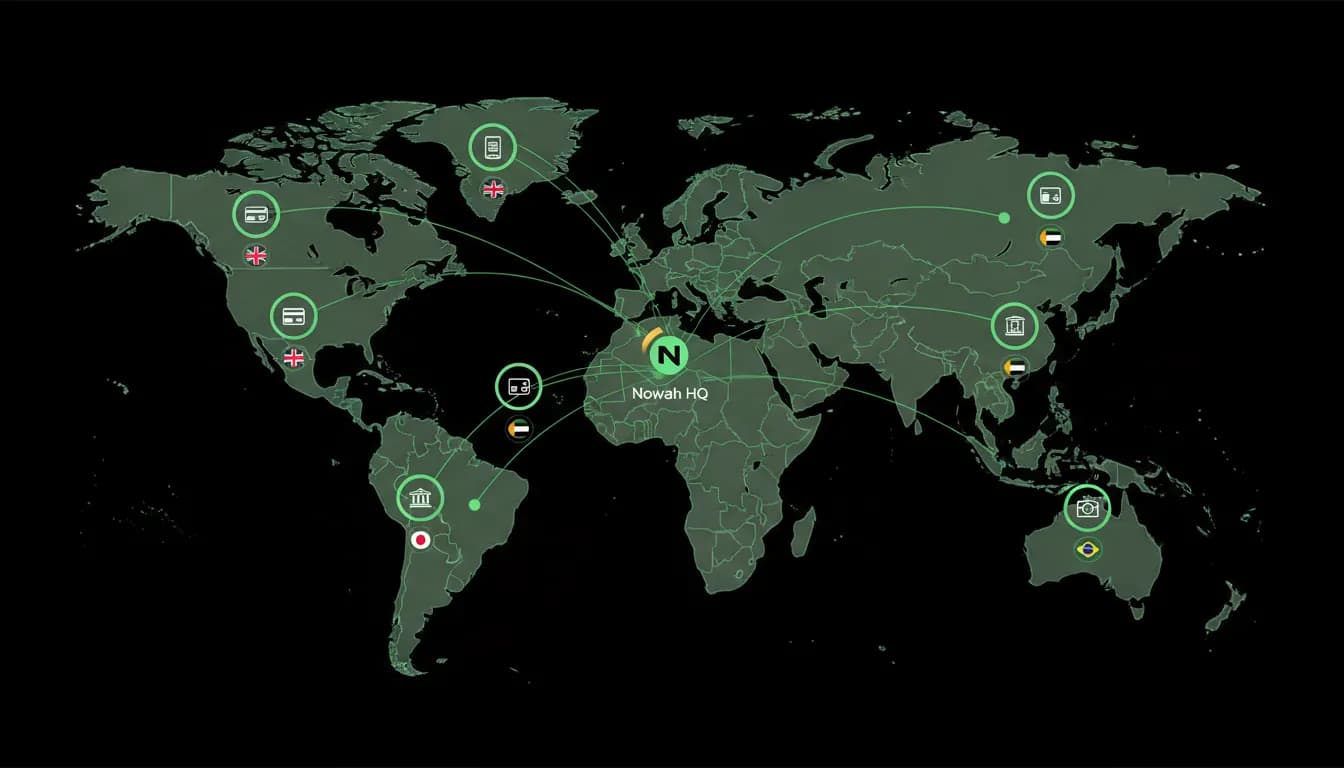
Planning New Markets: Our International Expansion Playbook
Approaching new geographic markets — payment localization, language support, regulatory compliance, local travel patterns, and the partner ecosystem strategy.
Launch
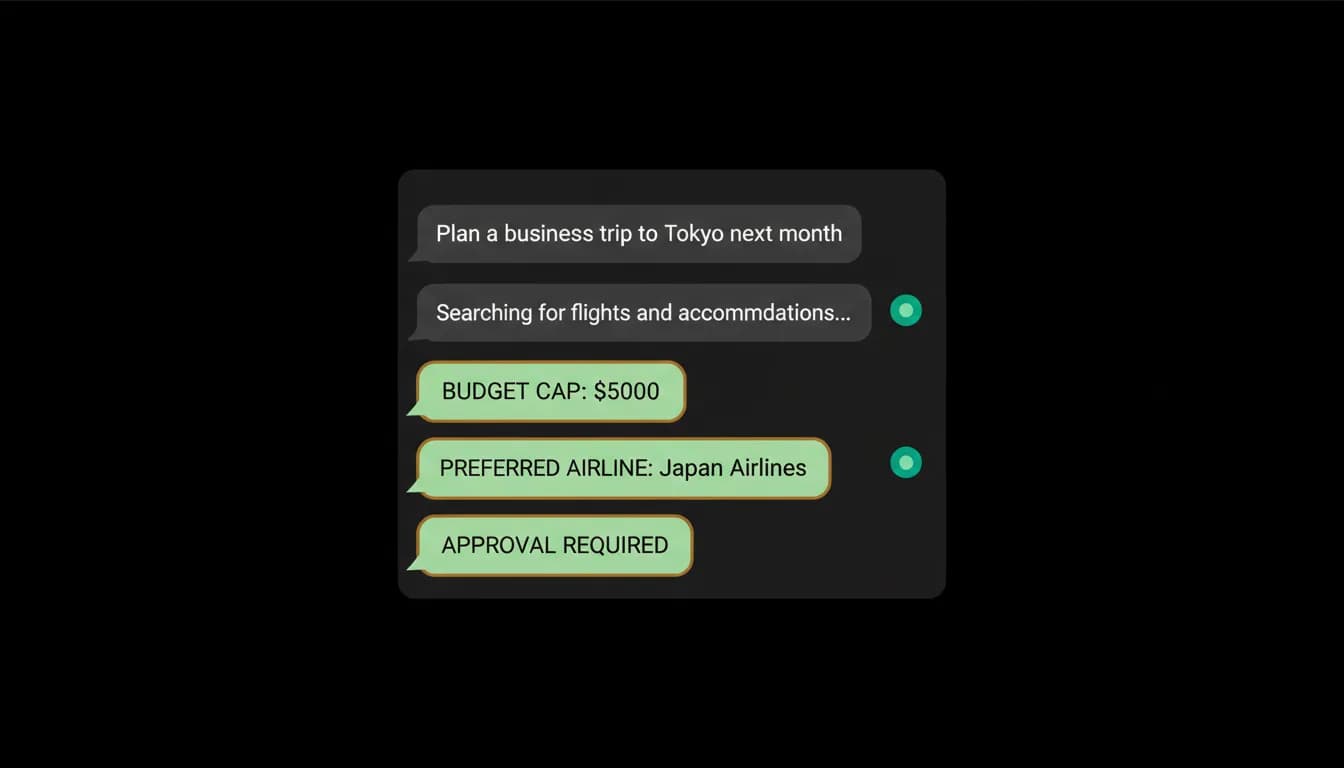
Enterprise Path: Bringing AI Travel Booking to Business Travel
Launching an enterprise product — corporate travel policy compliance, expense integration, approval workflows, and different success metrics for business travel.

Launch
Building AI Safety Features for Travel: What It Means to Be Responsible
Safety in an AI travel agent — medical emergency handling, travel advisory integration, safety evaluations before every launch, and the age-appropriate framework.

Launch
Planning an API Marketplace: When Travel AI Becomes a Platform
The vision for an API marketplace where developers build travel tools on Nowah's infrastructure — platform economics, developer experience, and marketplace growth.
Launch
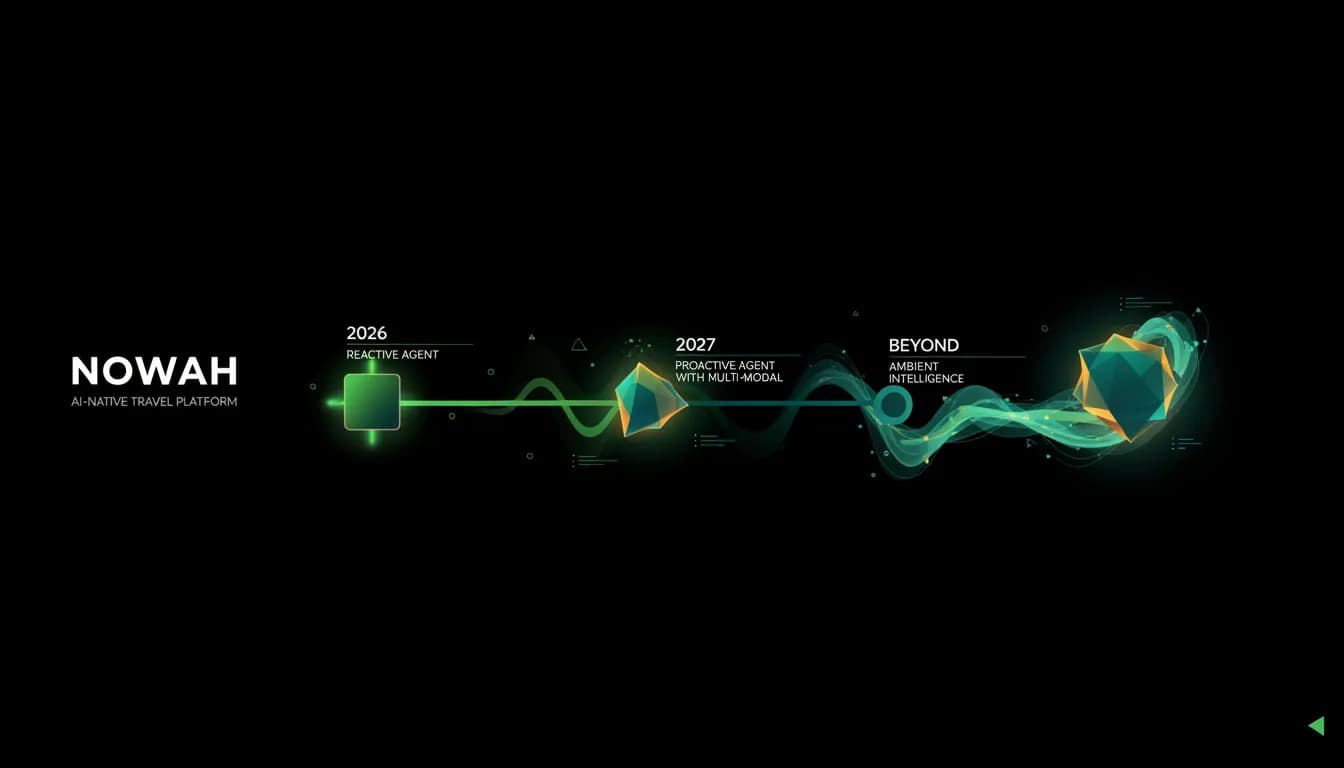
What We Aim to Ship by 2027: Our Long-Term Product Vision
Where AI travel booking is headed — multi-modal travel, predictive trips, the convergence of planning and content, and the agent that knows you better than you do.
Launch
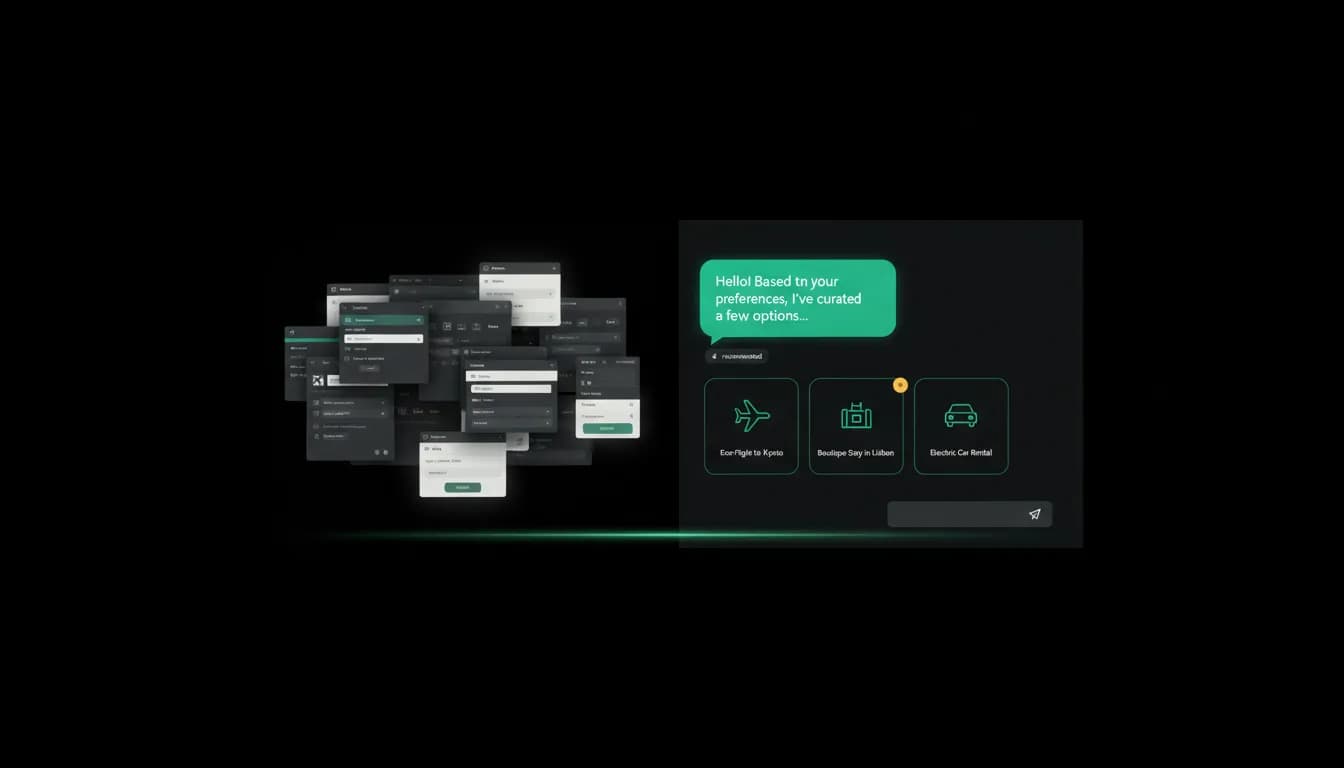
AI Travel Booking vs Traditional OTAs: Why We Are Building Different
Comparing Nowah's AI-first approach with traditional online travel agencies — the UX gap, personalization gap, and efficiency gap that define the opportunity.