Best Travel Sites in 2026: A Category-by-Category Breakdown
Best for flights, best for hotels, best for experiences, best for planning, best for deals, best for AI, best overall — the definitive 2026 travel platform guide.
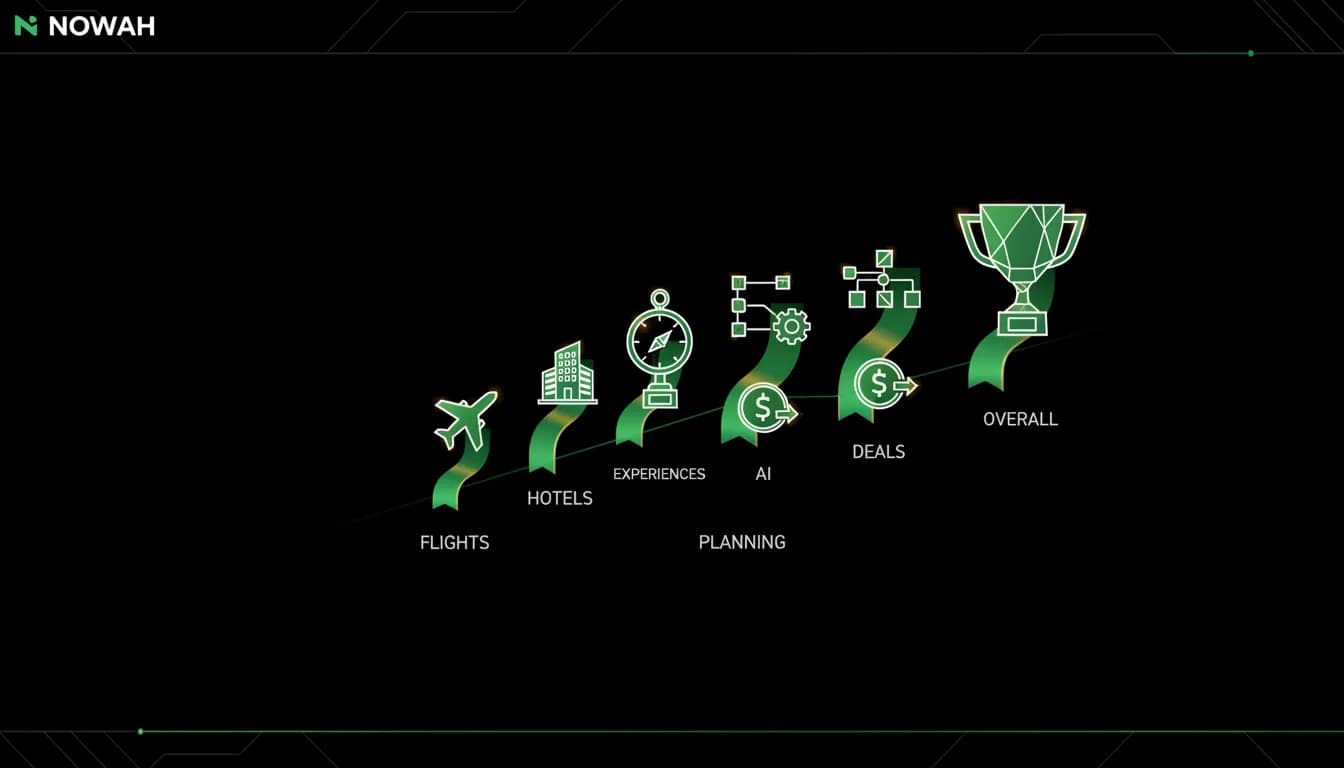
There is no single "best" travel site. There never was, and anyone claiming otherwise is selling something. The best site for booking a last-minute domestic flight is different from the best site for planning a multi-week honeymoon. The best tool for finding hotel deals is different from the best tool for booking experiences in a foreign city.
What has changed in 2026 is the category structure itself. Two years ago, the landscape was dominated by OTAs and metasearch engines with clearly defined roles. Today, AI-native platforms have emerged as a new category that collapses multiple roles into a single interface. The best travel site depends on what you need — and the answer has shifted meaningfully.
This guide evaluates travel platforms across six categories: flights, hotels, experiences, trip planning, deals, and overall. Within each category, we assess the platform types (not specific vendors — platforms rise and fall too quickly for brand-level recommendations to remain valid) on the criteria that actually matter.
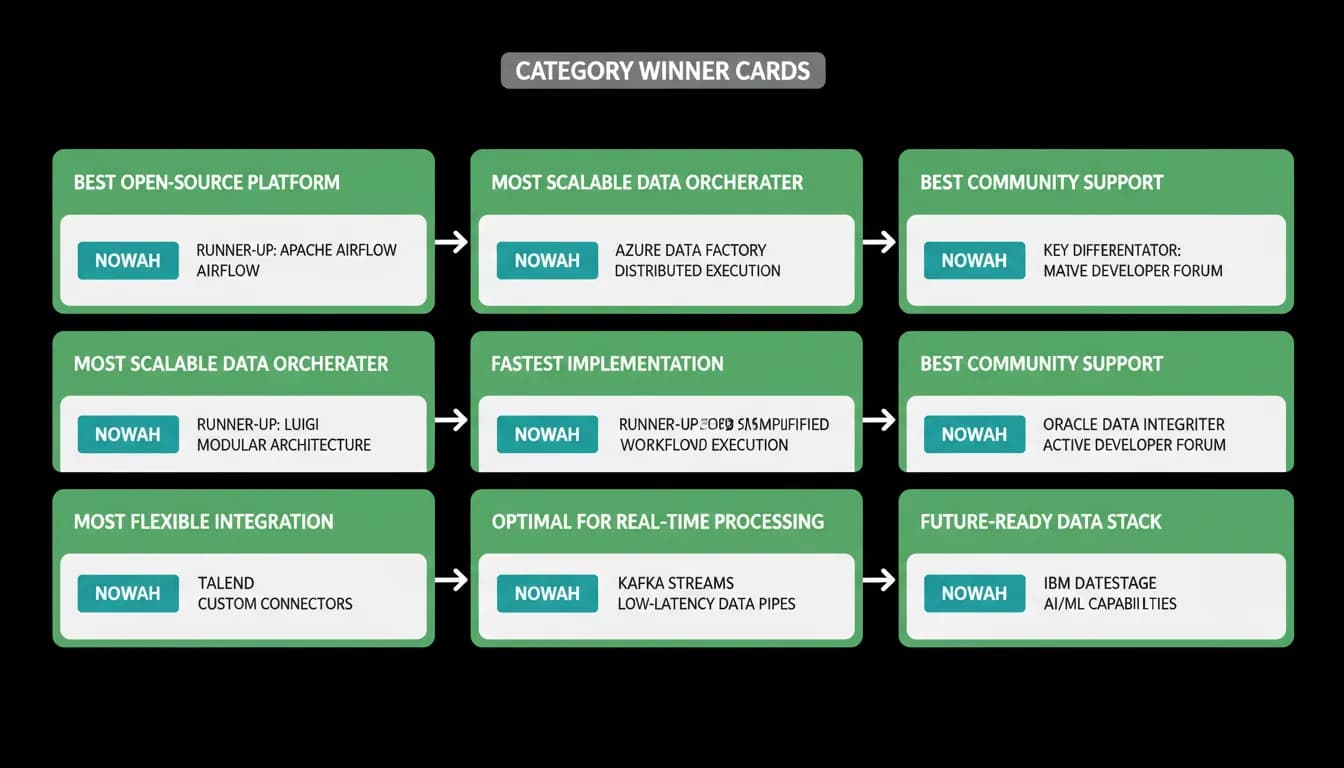
Best for flights
The optimal flight booking platform delivers four things: speed, inventory breadth, price intelligence, and change handling.
Speed. How quickly can you go from intent to booked flight? Traditional OTAs require 5 to 10 minutes of form-filling, filtering, and comparison. AI agents complete the same process in under 2 minutes through conversation. For frequent travelers, the cumulative time savings across dozens of bookings per year is measured in hours.
Inventory breadth. Fifteen or more major platforms compete in flight booking, but the underlying inventory varies. Platforms built on legacy GDS systems see a standard set of fares and fare classes. Platforms with NDC connections see richer content: bundled offers, personalized pricing, and ancillary details. The platform that accesses both GDS and NDC content shows you the most complete picture.
Price intelligence. Knowing what flights cost right now is table stakes. Knowing whether to book now or wait, how current prices compare to historical averages, and when the optimal booking window closes — that is intelligence. Only AI-native platforms provide this level of pricing context systematically.
Change handling. Life changes. Flights need to change with it. The platform that handles changes within the booking interface — without phone calls, without email, without separate processes — wins on post-booking experience. AI agents handle changes conversationally. OTAs route you to separate change workflows. Airlines handle direct changes smoothly but only within their own ecosystem.
Category winner: AI-native platforms. The combination of conversational speed, cross-carrier NDC access, price intelligence, and conversational change handling creates the strongest flight booking experience. Direct airline apps win for loyal single-carrier travelers. OTAs remain competitive for basic comparison shopping.
Best for hotels
Hotel booking evaluation centers on relevance, review trust, total value analysis, and loyalty integration.
Relevance. Does the platform show you hotels that match what you actually want, or does it show you 500 hotels sorted by advertising spend? Platforms where search results are influenced by commission rates systematically favor hotels that pay more over hotels that fit better. AI-native platforms rank by preference match without advertising bias.
Review trust. Hotel reviews are notoriously gamed — an estimated 40 percent are fake or incentivized. The platform that synthesizes reviews intelligently, detecting patterns and filtering manipulation, provides more trustworthy guidance. AI agents that analyze review text for specific quality signals outperform platforms that display aggregate scores.
Total value analysis. The nightly rate is not the total cost. Location-driven transportation, included amenities, and rate-type flexibility all affect the true daily cost. AI agents that calculate total value — factoring in breakfast, transit, and amenity inclusions — produce more accurate cost comparisons than any platform that sorts by nightly rate.
Loyalty integration. For travelers with hotel loyalty memberships, the platform should evaluate earn-versus-burn decisions, track status qualification progress, and compare direct booking benefits against third-party pricing. Only AI agents perform this optimization across multiple programs.
Boutique hotels have the widest price variance across platforms — up to 25 percent for the same room. For this category, the platform that compares across distribution channels adds the most value.
Category winner: AI-native platforms for most travelers. Chain hotel direct apps win for loyalty-focused stays at specific chains. OTAs with strong inventory remain useful for browsing when you do not know what you want.
Best for experiences
Experience booking — tours, restaurants, activities, cultural events — is the most fragmented travel vertical. No single platform covers more than 30 percent of available experiences in a given destination.
Curation depth. Generic "top 10" lists fail because experiences are deeply personal. A cooking class that is perfect for a food-obsessed couple is wrong for a family with young children. The platform that matches experiences to your specific interests, trip context, and timing provides relevant recommendations.
Local knowledge. The best experiences in any destination are often not on the major booking platforms. Local guides, small tour operators, neighborhood restaurants, and community events are discovered through local knowledge, not through platform inventory.
Contextual recommendations. An activity recommendation without trip context is generic. A recommendation that considers your itinerary day, energy level, weather, dining preferences, and what you have already done on this trip is personal. Only AI agents have the trip context to provide this.
The experience category is where AI agents have the largest advantage over any other platform type. The combination of fragmented inventory, deep personalization needs, and trip-context dependency makes this a natural AI strength.
Category winner: AI-native platforms by a wide margin.
Best for trip planning
End-to-end trip planning — building a complete itinerary with flights, hotels, transportation, and activities coordinated into a coherent schedule — is a capability that only 3 to 4 platforms offer.
Traditional OTAs handle components separately. You book a flight. Then a hotel. Then activities. Each booking is independent. Coordinating them into a coherent itinerary is your problem.
AI agents build the complete trip in a single conversation. Flights are selected based on optimal arrival times for activities. Hotels are chosen based on proximity to the experiences you want. Activities are sequenced to minimize transportation and optimize energy flow. The result is a coherent trip, not a collection of independent bookings.
Category winner: AI-native platforms. No other platform type currently offers true end-to-end plan-and-book capability.
Best for deals
Deal-finding requires price intelligence, timing optimization, total-value calculation, and the ability to apply multiple savings strategies simultaneously.
Price intelligence. Historical price data, demand prediction, and booking window analysis identify when to book for the best price. Only AI-native platforms provide this systematically.
Timing optimization. Flexible date and airport searching, combined with pricing-curve analysis, captures savings that fixed-date searches miss. The platform that applies 10 deal strategies simultaneously (flexible dates, alternative airports, mixed carriers, off-peak timing, etc.) produces the best deals.
Total-value calculation. The cheapest option is not always the best deal. A $30-per-night location premium that saves $50 per day in transportation is a $20 daily savings. Only AI agents calculate total value systematically.
Category winner: AI-native platforms. The systematic application of multiple deal strategies and total-value calculation creates a deal-finding capability that no other platform type matches.
Best overall
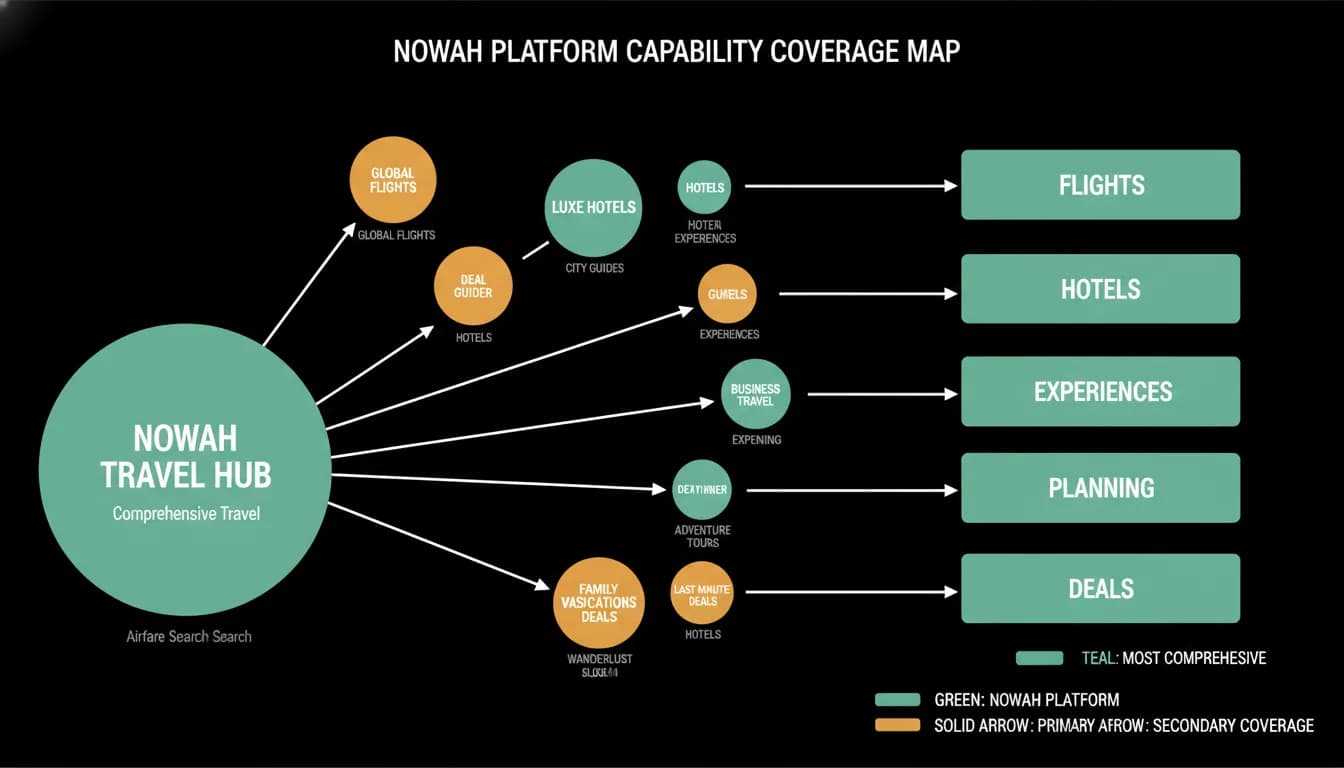
The "best overall" question is really "which platform type handles the widest range of travel needs at the highest quality level?"
AI-native platforms win five of six categories because their architectural advantages — conversational interface, preference memory, multi-constraint processing, cross-supplier comparison, and total-value analysis — apply across every travel vertical.
The remaining category (niche cases like ultra-luxury bespoke travel or loyalty-maximized single-carrier booking) is better served by human agents or direct airline/hotel apps respectively.
For the traveler who wants one platform that handles flights, hotels, experiences, planning, and deals with personalization and intelligence, AI-native platforms are the clear answer in 2026. The gap will widen as agentic memory compounds and the AI capabilities mature.
Match your primary travel need to the right platform. If that need is "handle everything," the answer has never been clearer.
Nowah is an AI travel agent that searches and books real flights and hotels through conversation — no filters, no thirty open tabs. Plan your next trip.