Building Trip Management: From Booking Agent to Travel Companion
Evolving from a booking tool to a full trip platform — document storage, itinerary generation, real-time updates, and the architecture changes required.

A traveler booked a flight and then asked "now what?" It was a simple question that revealed a fundamental limitation in our product. We were excellent at the transaction: find flights, compare options, process payment. But the moment the booking was confirmed, the traveler's relationship with us ended. They would go to their email for the confirmation, to Google Maps for directions, to a notes app for their itinerary, and to their camera roll for travel documents.
We were a booking tool. We needed to become a travel companion.
The architecture shift
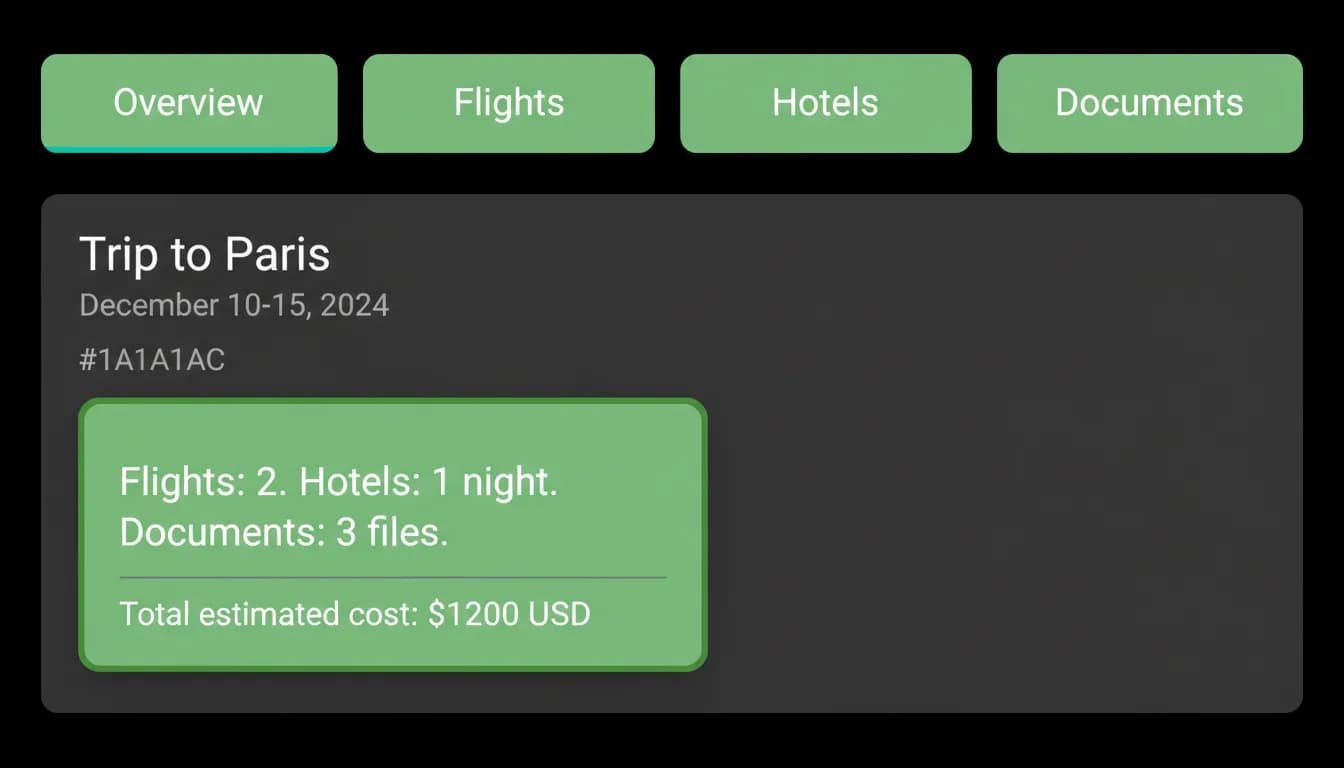
Moving from stateless bookings to stateful trip management required a significant architecture change. A booking is a single event: search, select, pay, confirm. A trip is a persistent entity with a lifecycle: created, booked, documents added, itinerary generated, traveling, completed.
We built the trip model to encompass everything related to a journey. Flights, hotels, and experiences link to a trip entity. Documents, boarding passes, hotel confirmations, and visa papers attach to the trip. Itineraries with day-by-day plans become part of the trip structure. Real-time status updates for flights flow into the trip view.
The trip detail screen has four tabs: Overview, Flights, Hotels, and Documents. This structure works identically on mobile and web, giving travelers consistent access to their trip information regardless of which device they are using.
Document storage
The number one feature request from travelers in transit was fast access to documents. Boarding passes, hotel confirmations, visa documents, and travel insurance. All the paperwork that modern travel still requires, despite the industry's best efforts to go paperless.
We built document management with three priorities: upload should be effortless, access should be instant, and offline availability should be guaranteed. Travelers upload documents through the chat by sending a photo or PDF. The system automatically classifies the document type, extracts key information like flight numbers and dates, and links it to the correct trip.
Background workers handle the processing asynchronously. The traveler does not wait for parsing to complete. They upload, the system acknowledges, and the processed result appears in the Documents tab within seconds.
Real-time trip updates
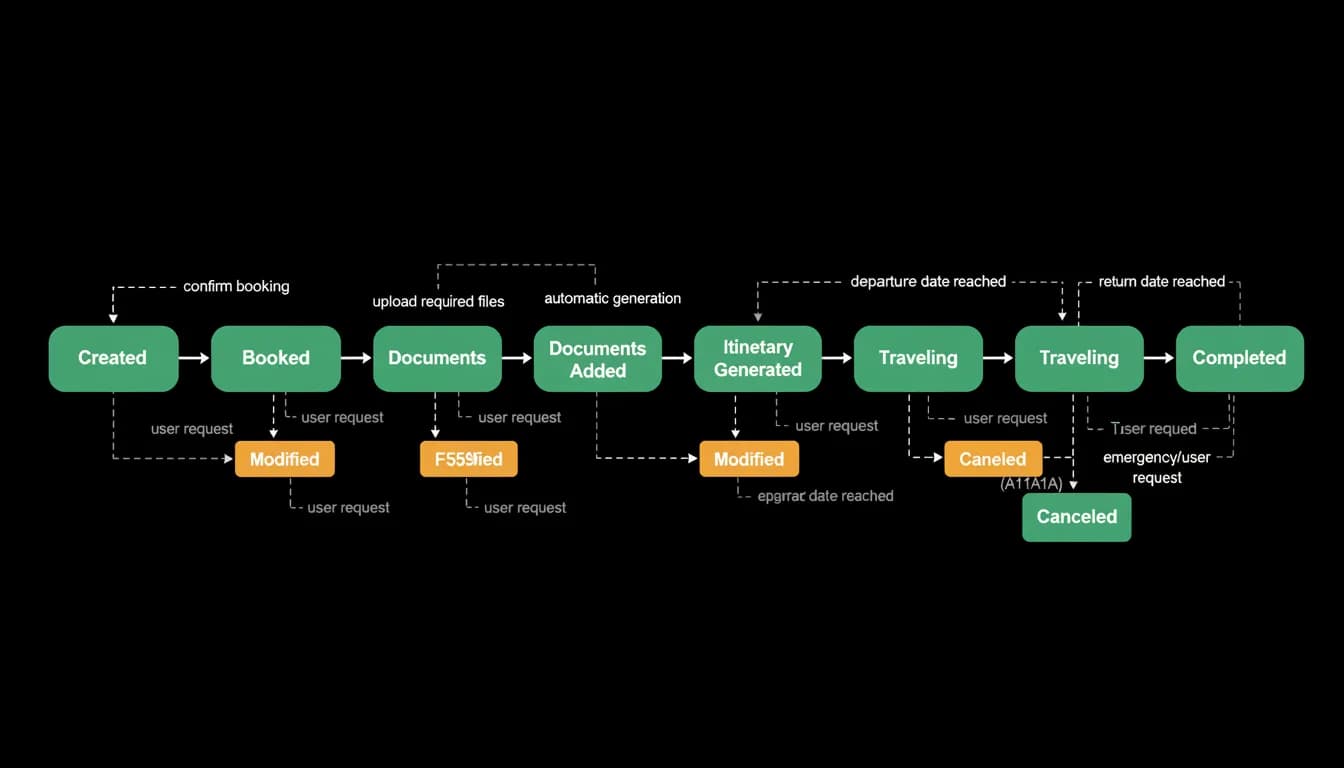
Once we had the trip model, we could deliver real-time updates that a simple booking receipt cannot provide. Flight delays, gate changes, and cancellations flow through our status monitoring system to the traveler's device. Push notifications alert them to changes that require attention. The trip view updates in real time to reflect the current state.
This is where the travel companion value becomes tangible. The traveler does not need to check the airline's website or the airport departure board. Their trip view shows the current status of every flight, and the agent can proactively suggest actions when things change.
The companion metric
We measure the success of trip management through what we call the companion metric: how often travelers return to the app between booking and travel. Before trip management, travelers booked and left. After trip management, they come back to add documents, review their itinerary, check flight status, and adjust plans.
The companion metric tells us whether we have made the transition from a transactional tool to an ongoing relationship. A traveler who opens the app daily in the week before their trip is getting value from the platform in a way that a one-time booking interaction never provided.
The trip lifecycle, from creation through completion, is the foundation for everything we want to build next. Proactive trip management, group travel coordination, and post-trip features all require the persistent trip entity that this launch established. Booking was our entry point. Trip management is where we live.
Nowah is an AI travel agent that searches and books real flights and hotels through conversation — no filters, no thirty open tabs. Plan your next trip.