Latest
Fresh fromthe journal.
Page 5 of 9
Design
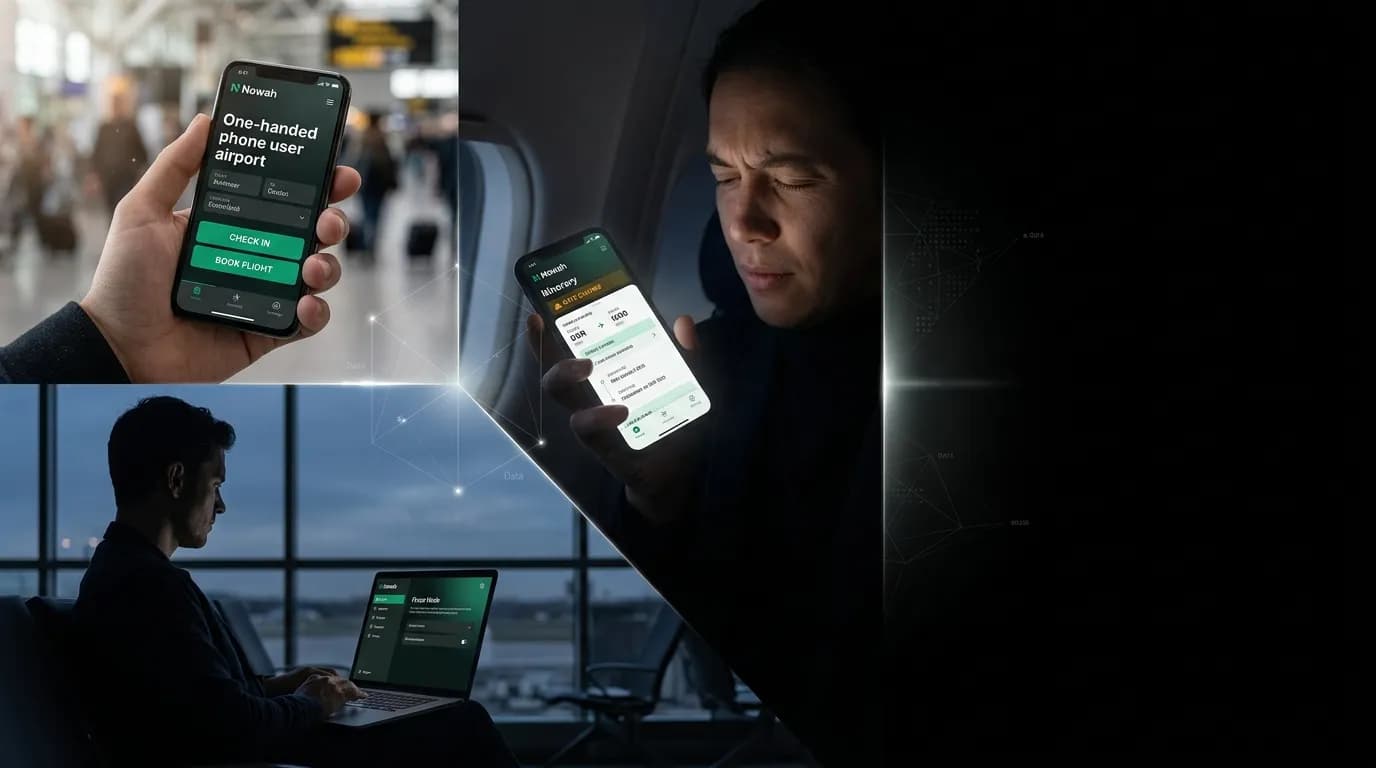
Accessibility in Travel Apps: Beyond Compliance
Travel creates temporary impairments — jet lag, one-handed luggage carrying, dim airplane cabins. Accessibility is not just WCAG compliance; it is designing for every traveler.

Design
Screen Readers and AI Chat: Making Conversations Accessible
Rich AI messages with embedded cards, carousels, and action buttons need semantic labels that tell screen readers 'Book flight to Tokyo for $450' — not 'Button 3.'

Design
Touch Targets for Travelers: Designing for Bumpy Roads
Tapping a 32-pixel button in a moving taxi is a coin flip. Travel apps need 44pt minimum targets with generous spacing because users are rarely sitting still at a desk.
Design
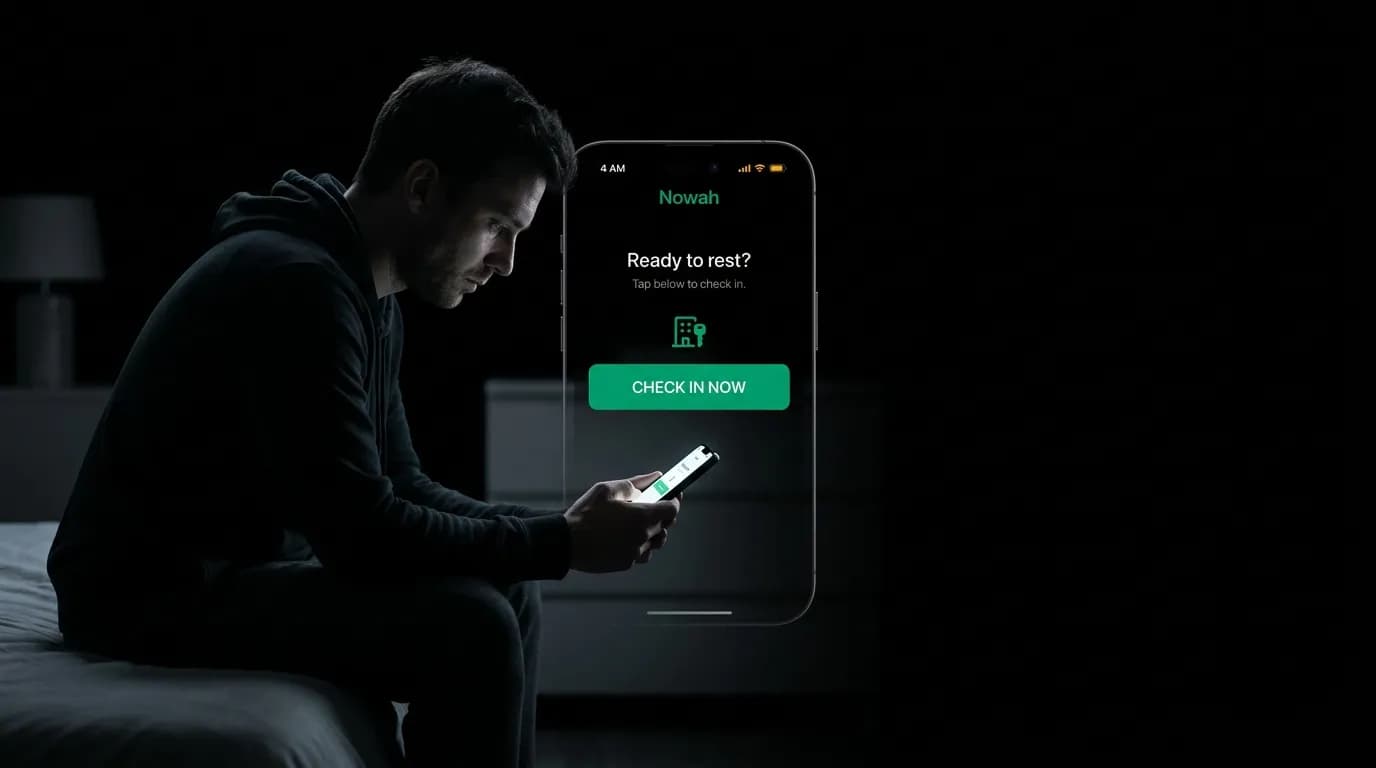
Designing for Jet Lag: Cognitive Load in Travel Apps
A jet-lagged brain processes 40% slower. Simplified layouts, prominent primary actions, and an AI that handles complexity keep exhausted travelers on track.

Design
A Motion Design System for AI Interfaces
Seven motion patterns — streaming text, card entrances, tab transitions, modals, button presses, confirmations, and loading states — each with specific timing, curves, and purpose.
Design
Haptic Feedback in Travel: When to Vibrate and When Not To
A confirmation vibration after booking a $500 flight adds physical certainty. A vibration on every tap creates noise. Haptic restraint is the key to meaningful feedback.
Design
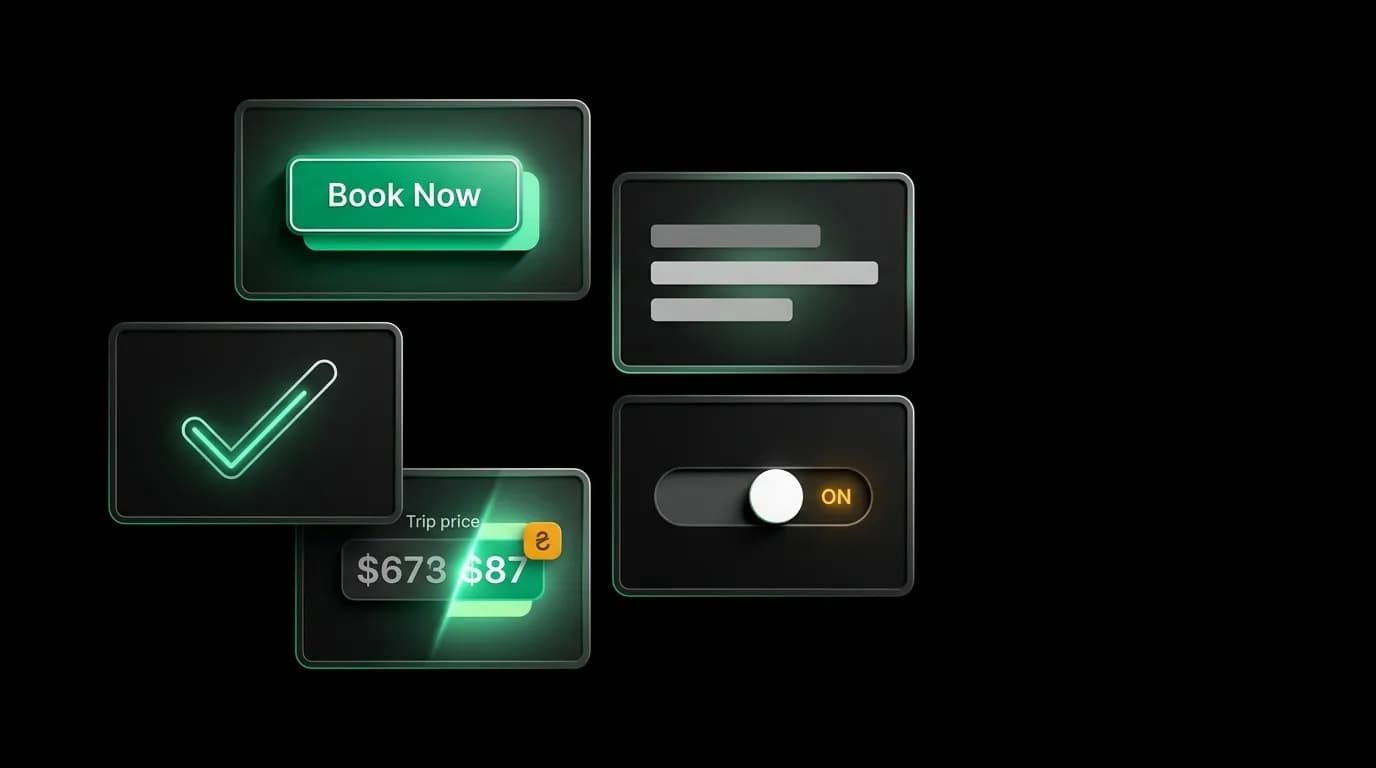
Micro-Interactions That Build Trust
A button that depresses on tap, a price that animates on update, a checkmark that draws itself during booking — small animations signal that the system is alive and reliable.
Design
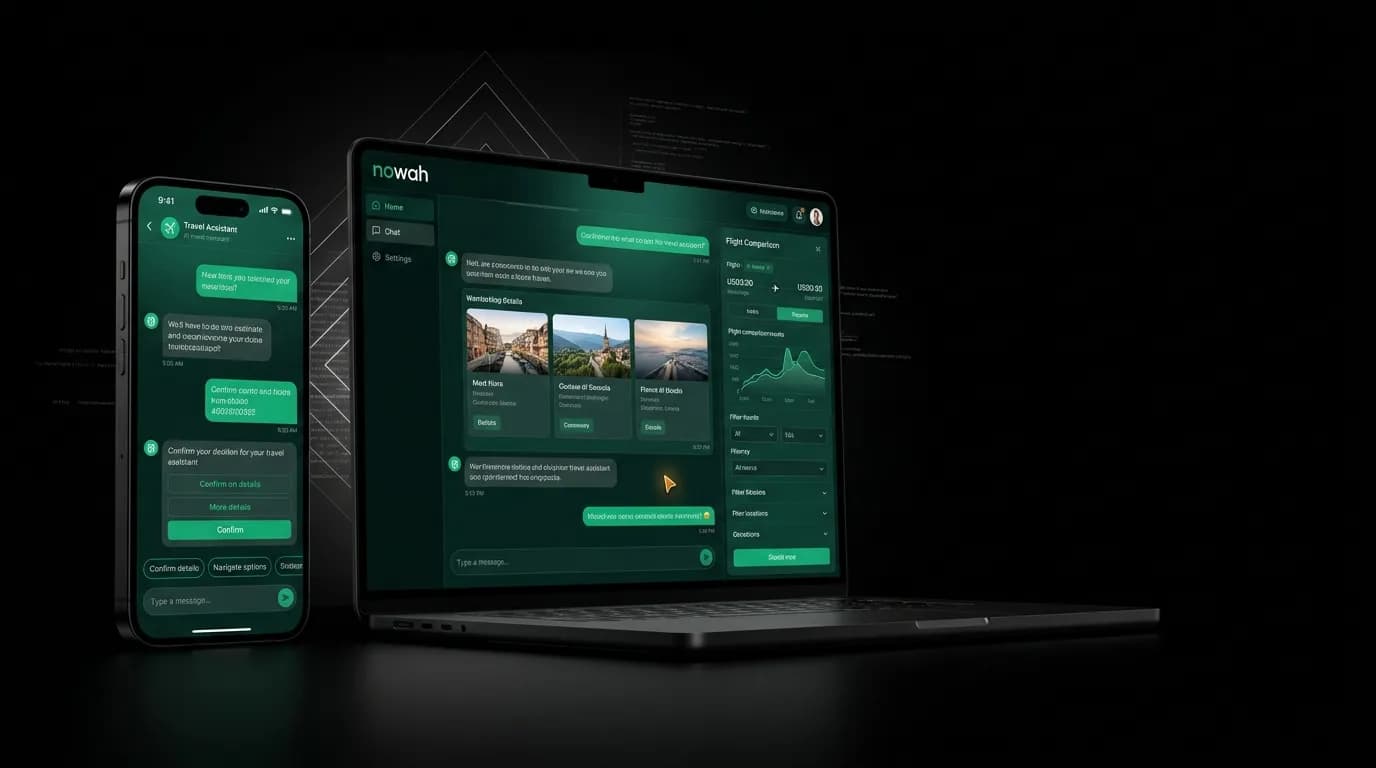
Mobile-First, Web-Companion: Our Cross-Platform Strategy
72% of travel research starts on mobile. We design for the phone first, then extend to web for desk-based planning sessions — same tokens, different layouts, shared components.
Design
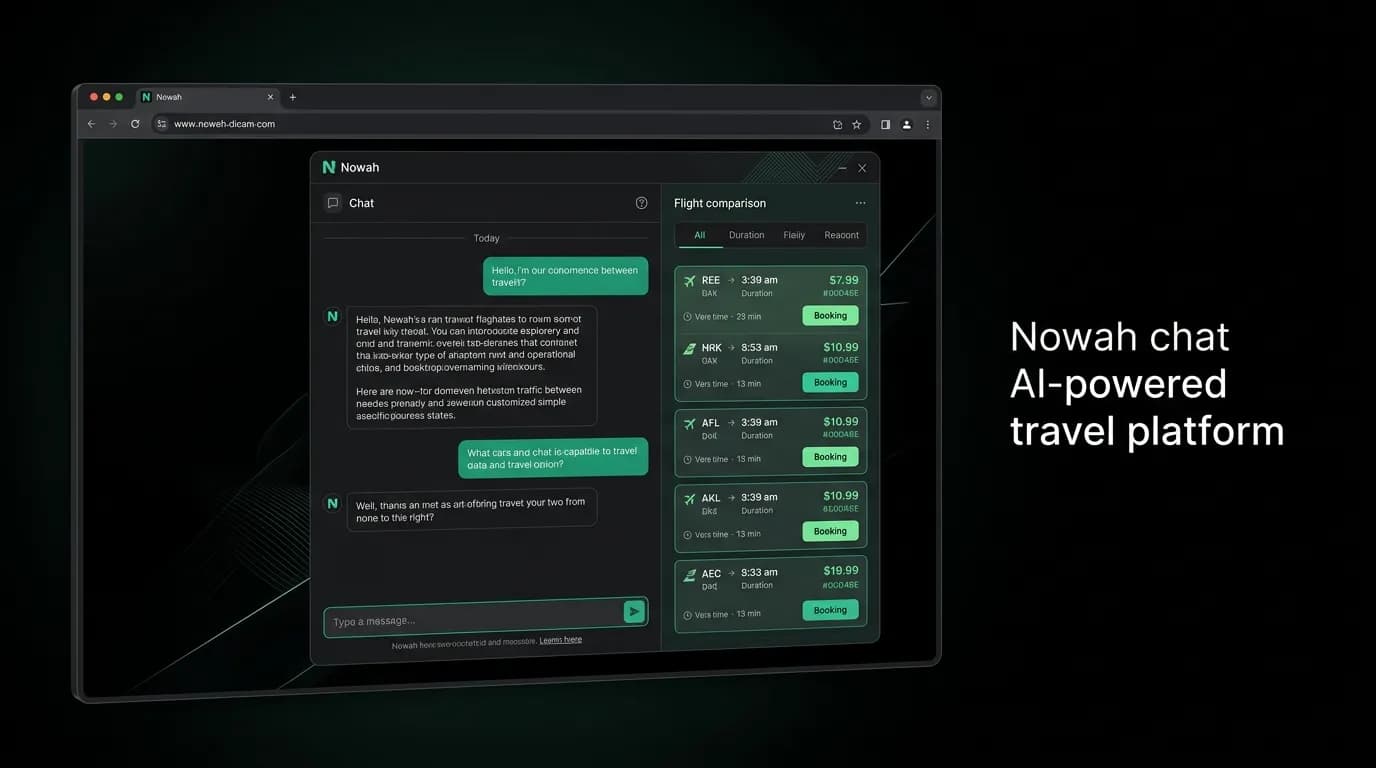
Adapting a Chat Interface from Mobile to Desktop
Chat on mobile is full-screen immersion. Chat on desktop gains side panels, wider cards, keyboard shortcuts, and split views — but the conversation remains the anchor.