Latest
Fresh fromthe journal.
Page 109 of 156
Product
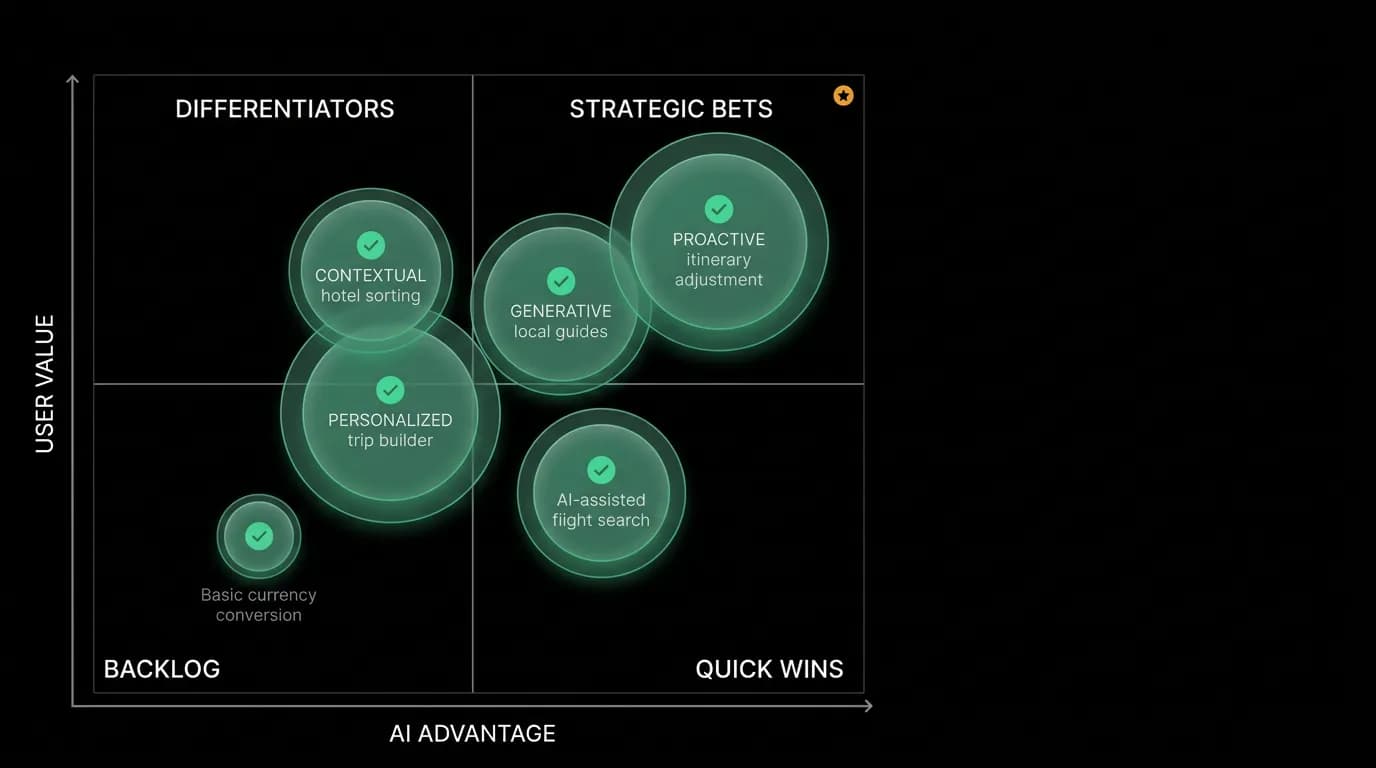
How We Decide What to Build Next: AI Product Prioritization
Our prioritization framework: user value x AI advantage x technical feasibility x competitive urgency. If AI does not make it better, it is not a priority.

Product
Measuring AI Product Quality: Metrics Beyond Accuracy
Accuracy is necessary but insufficient. Our framework adds response time, satisfaction, task completion, and recovery rate for a complete quality picture.

Product
The AI Feedback Loop: How User Interactions Make the Agent Smarter
Implicit signals — which options users select, when they rephrase, what they ignore — feed back into the system. More users mean better AI for everyone.

Product
Shipping AI Features Fast: Our Release Cadence Explained
AI products require continuous improvement, not quarterly releases. Prompts change weekly, tools update daily, and the model improves independently.

Product
When AI Gets It Wrong: Our Approach to Error Recovery
AI will make mistakes. The question is not if but how often and how gracefully. Detection, recovery, honesty, and prevention form our error strategy.
Product
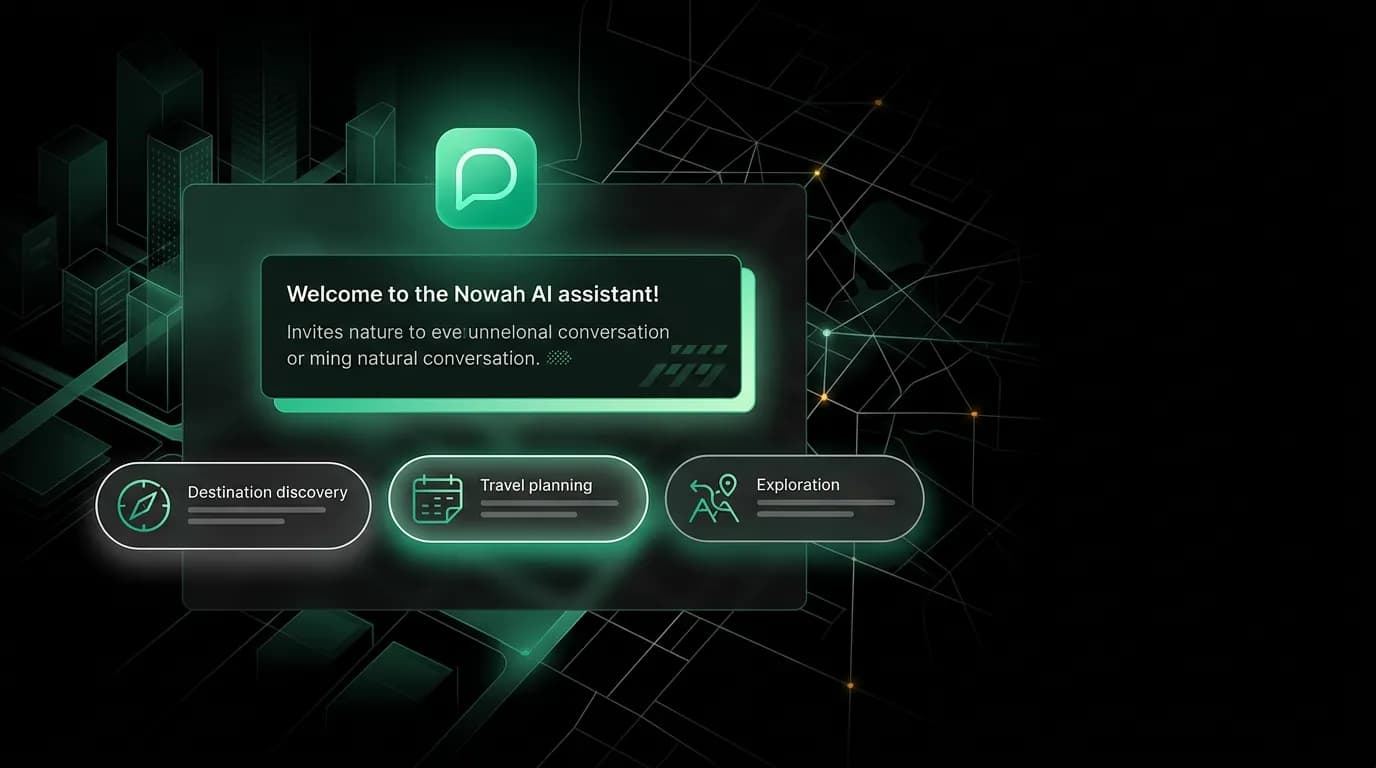
The Cold Start Problem: Onboarding Users Who've Never Talked to AI
Most users have only interacted with basic chatbots. Their expectations are low, their behavior is formal. The first message must reset everything.
Product
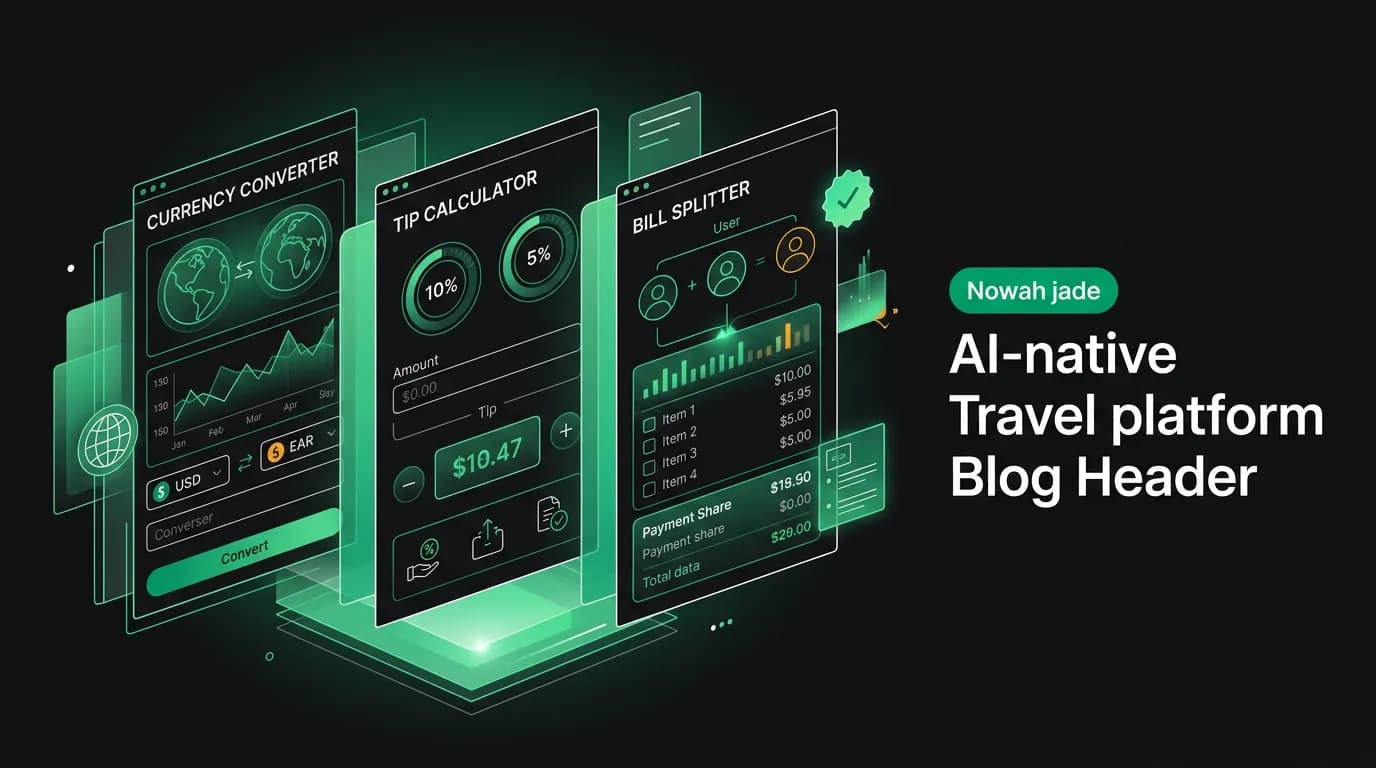
Why We Built the Tools Tab: Utility as Retention Strategy
Travel apps die between trips. Currency converter, tip calculator, and bill splitter keep Nowah on the home screen with daily utility that feeds AI context.
Product
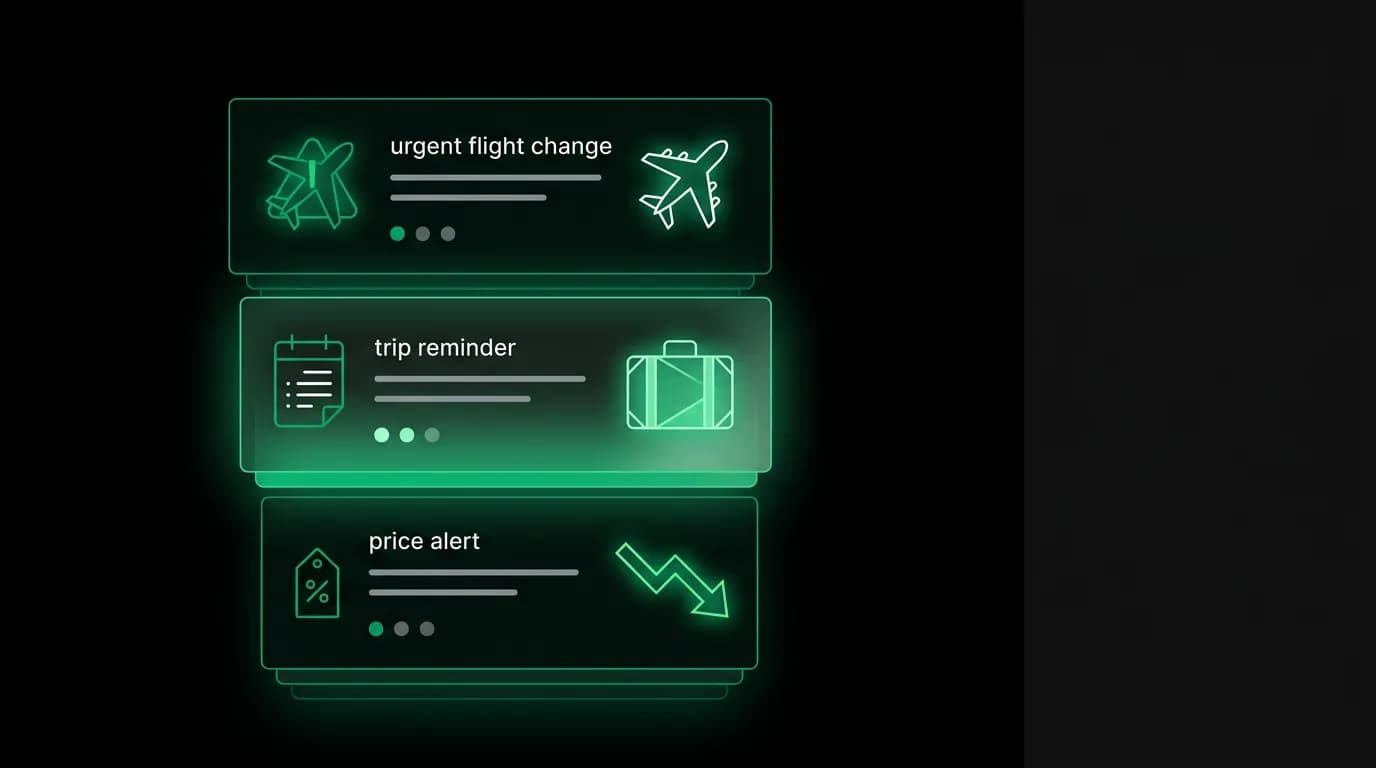
Notification Strategy for AI Travel: Helpful vs. Annoying
Booking confirmations are urgent. Price alerts can wait for browsing hours. AI-driven relevance plus timing intelligence equals notifications users keep on.

Infrastructure
Surviving Airport Wi-Fi: Stream Resilience on Bad Networks
How we keep the AI travel assistant responsive when connectivity is terrible — disconnection detection, reconnection, and partial state recovery.