Latest
Fresh fromthe journal.
Page 130 of 156
Design
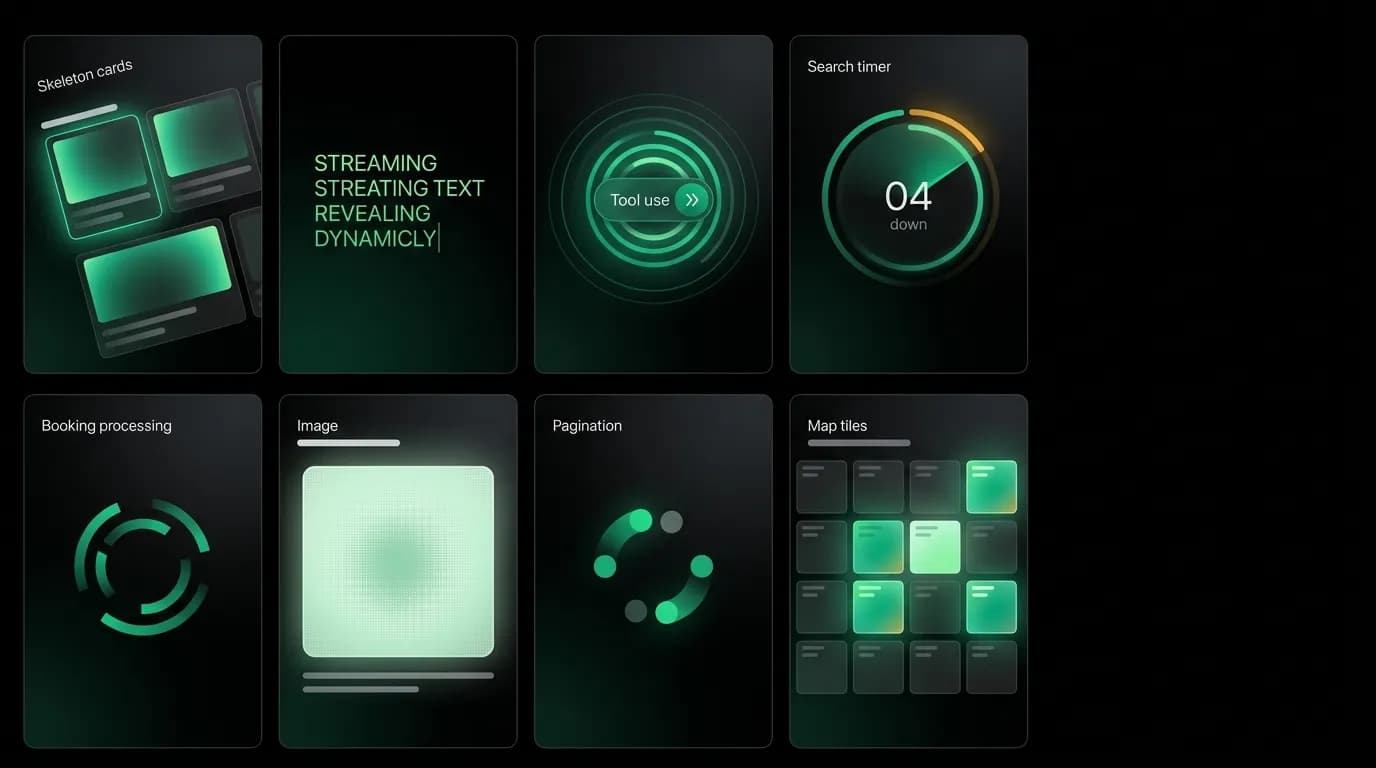
Loading States: The 8 Types You Need in an AI Travel App
Skeleton screens, streaming text, tool-use pills, search progress, booking processing, image loading, list pagination, and map tiles — each loading pattern serves a different purpose.

Design
Designing for Multi-City Trips
A Tokyo-Osaka-Kyoto itinerary needs timeline visualization, segment cards, overview compression, and navigation between legs — turning complexity into a scannable story.

Design
Rating and Review Display in AI-Curated Results
Star ratings, review scores, and guest snippets add social proof to AI-curated hotel results — but too much review data overwhelms. The AI should summarize, not dump.
Design
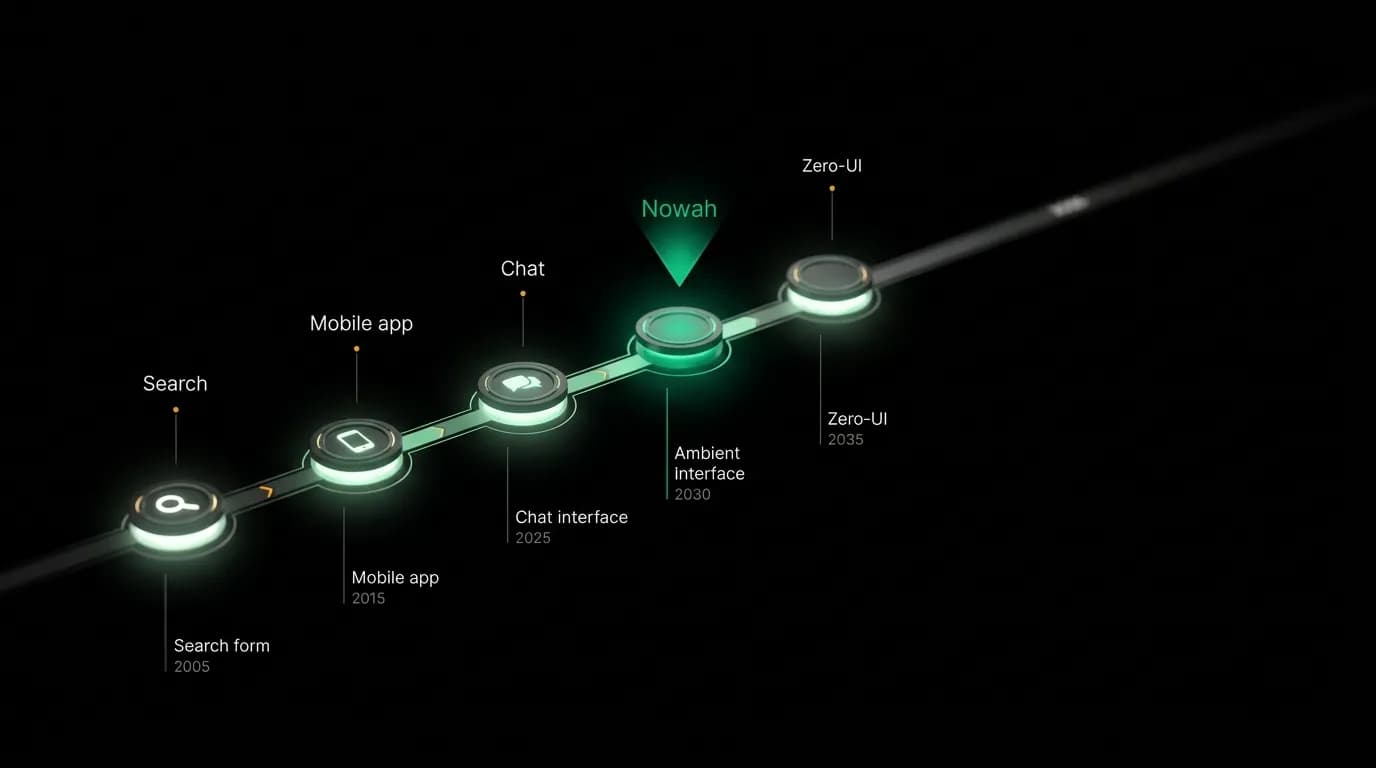
What Comes After the Chat Interface?
Chat is the current paradigm. Ambient interfaces, proactive AI, predictive travel, and screen-optional interaction hint at a future where the best interface is no interface at all.
Design
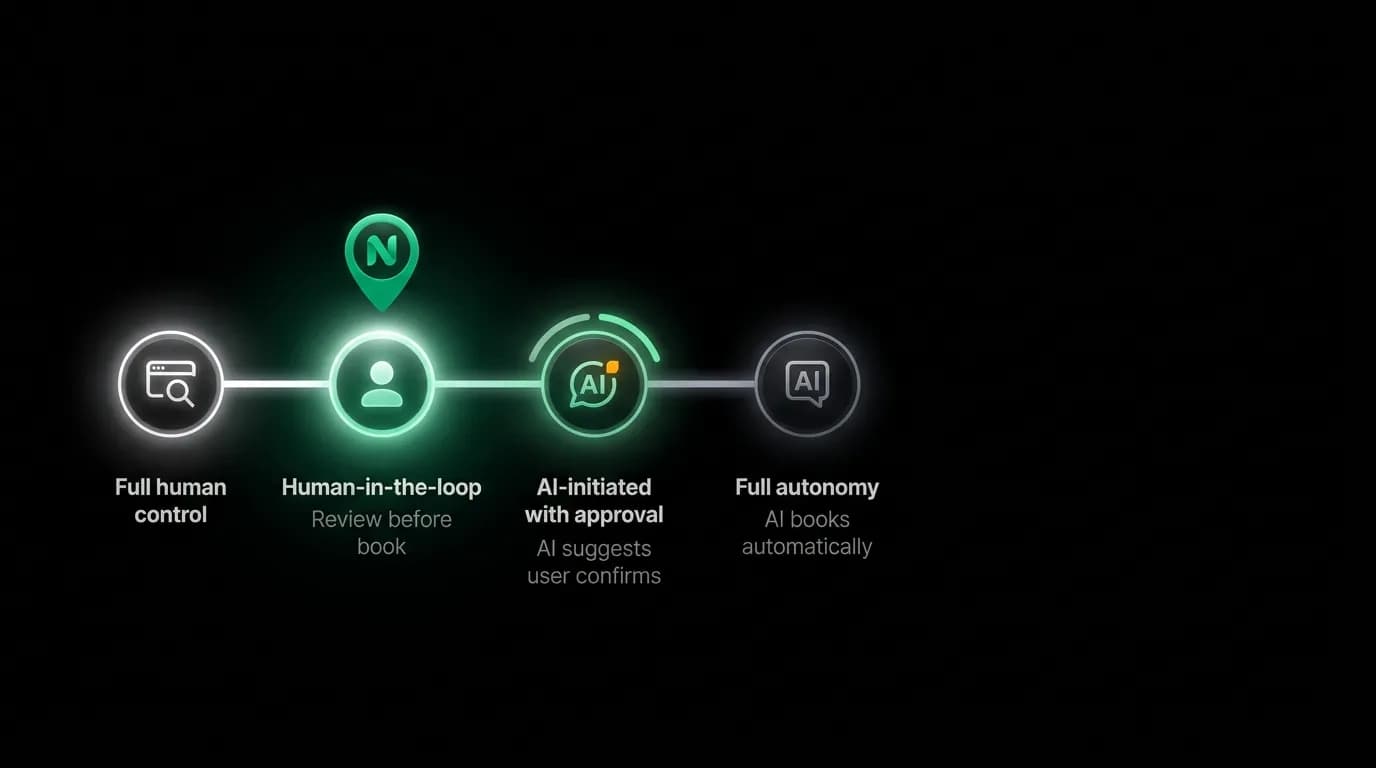
Designing for AI Agents That Act on Your Behalf
When AI moves from 'helping you book' to 'booking for you,' the UX challenge shifts to approval flows, action summaries, undo patterns, and calibrated trust escalation.

Design
Personalization vs. Privacy: The Design Tension
Deep personalization requires data. Privacy demands restraint. The resolution is opt-in transparency: users see everything the AI knows and control every byte it keeps.

Design
Designing Travel for the Vision Pro Era
Spatial computing turns hotel previews into walk-throughs, flight cards into floating objects you grab, and AI conversation into a voice-first 3D co-pilot beside you.
Design
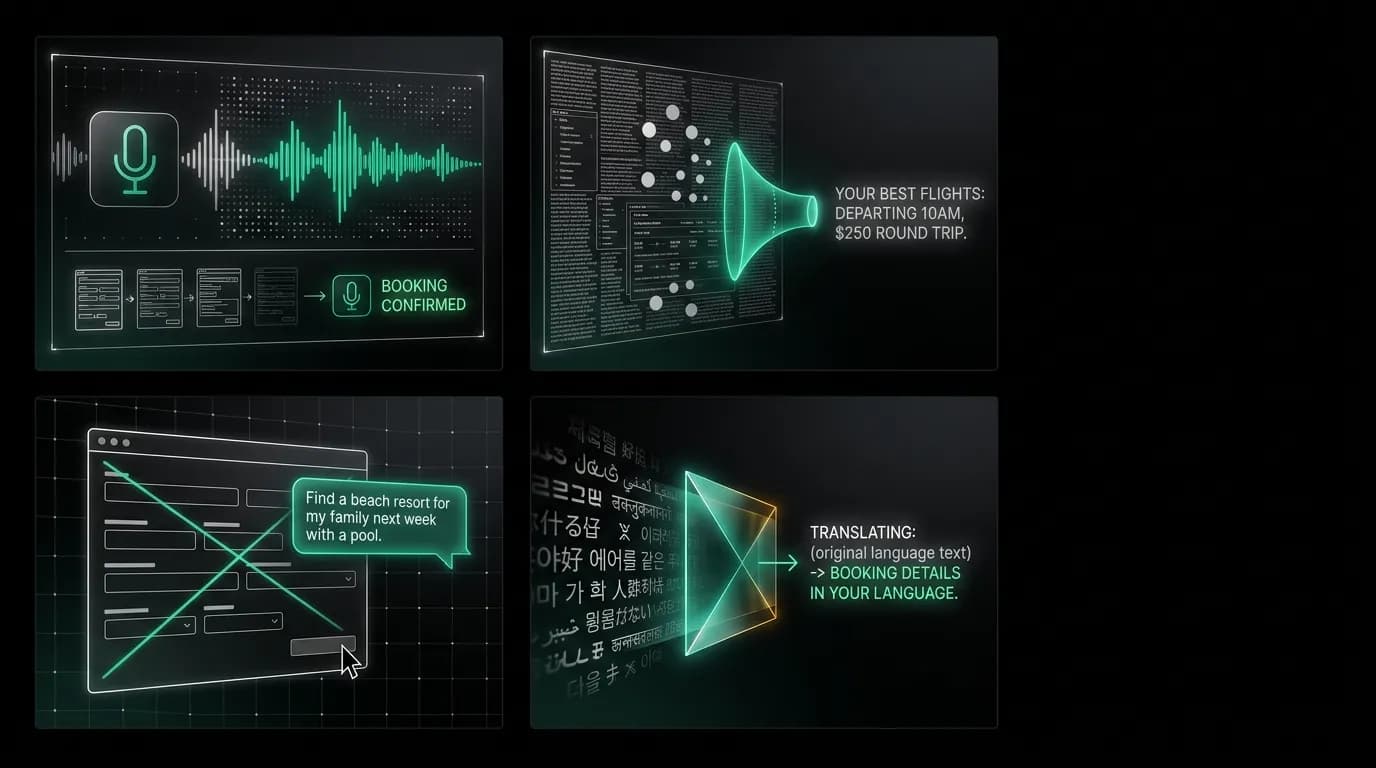
Accessibility as AI Advantage: How AI Enables Inclusive Travel
Voice replaces typing for motor impairments. AI summarization aids cognitive accessibility. Natural language replaces complex forms. AI makes travel more accessible than any UI ever could.
Design
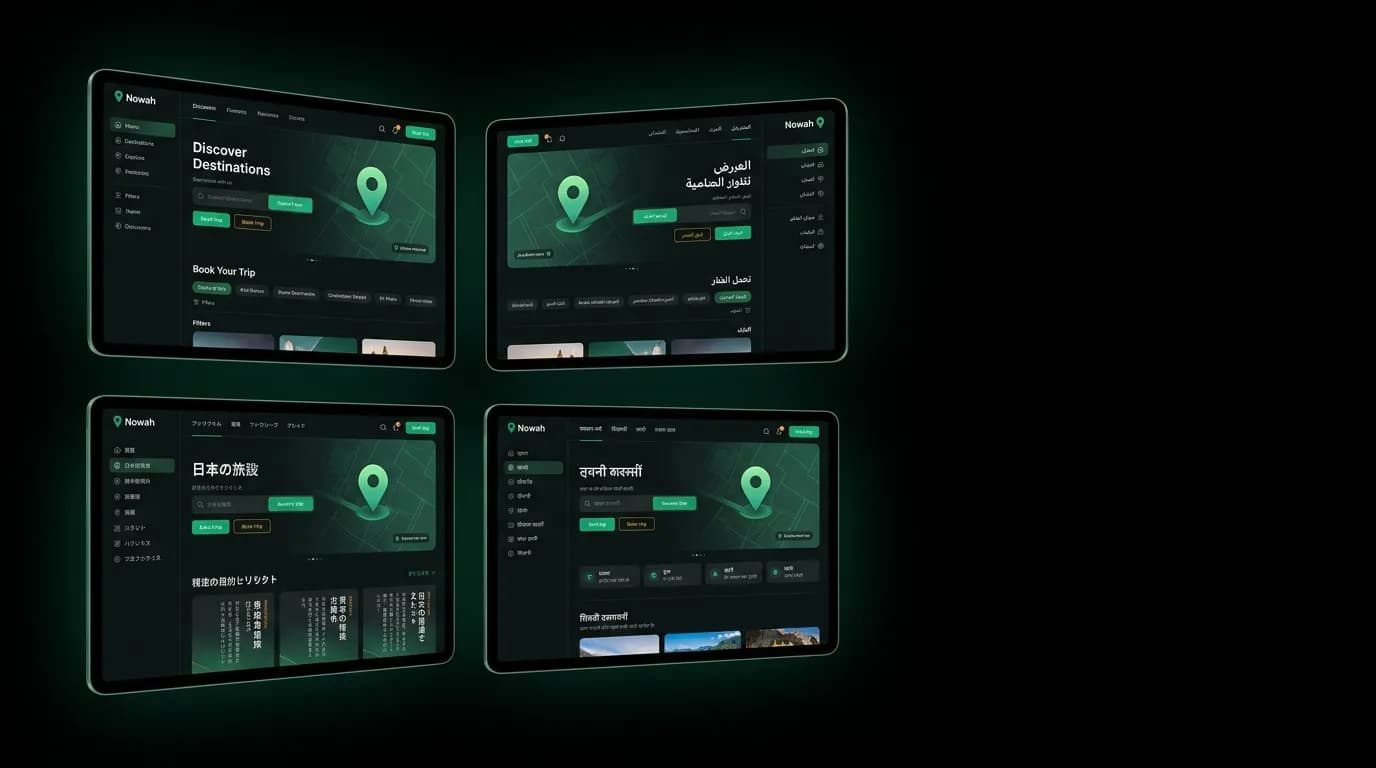
Designing for Global Travelers: Localization Beyond Translation
RTL layouts, cultural color associations, date format localization, currency conventions, and name field design — true global design goes far deeper than translating strings.