Latest
Fresh fromthe journal.
Page 131 of 156
Design
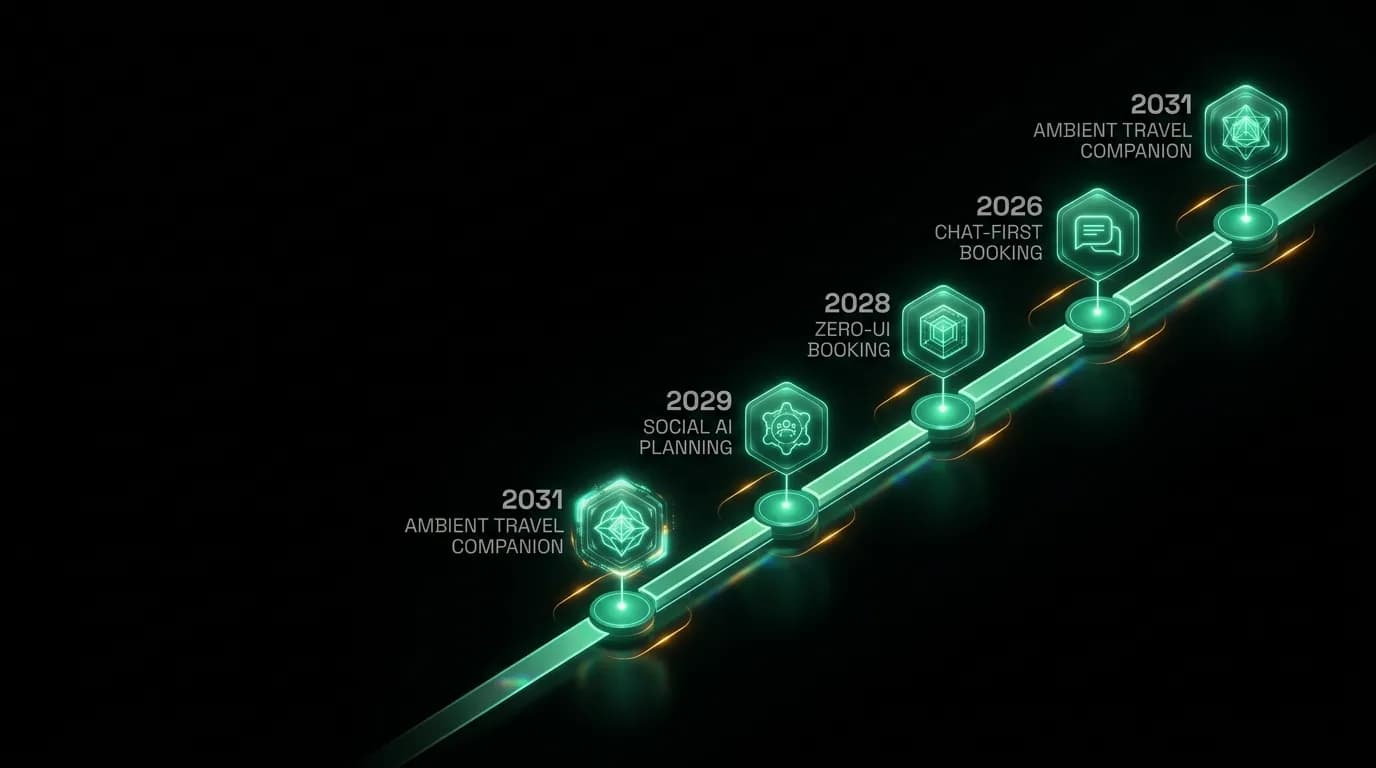
The Next Five Years of Travel App Design
Zero-UI booking, predictive itineraries, real-time adaptation, social travel AI, and multimodal input — five predictions for how AI reshapes travel product design by 2031.
Design
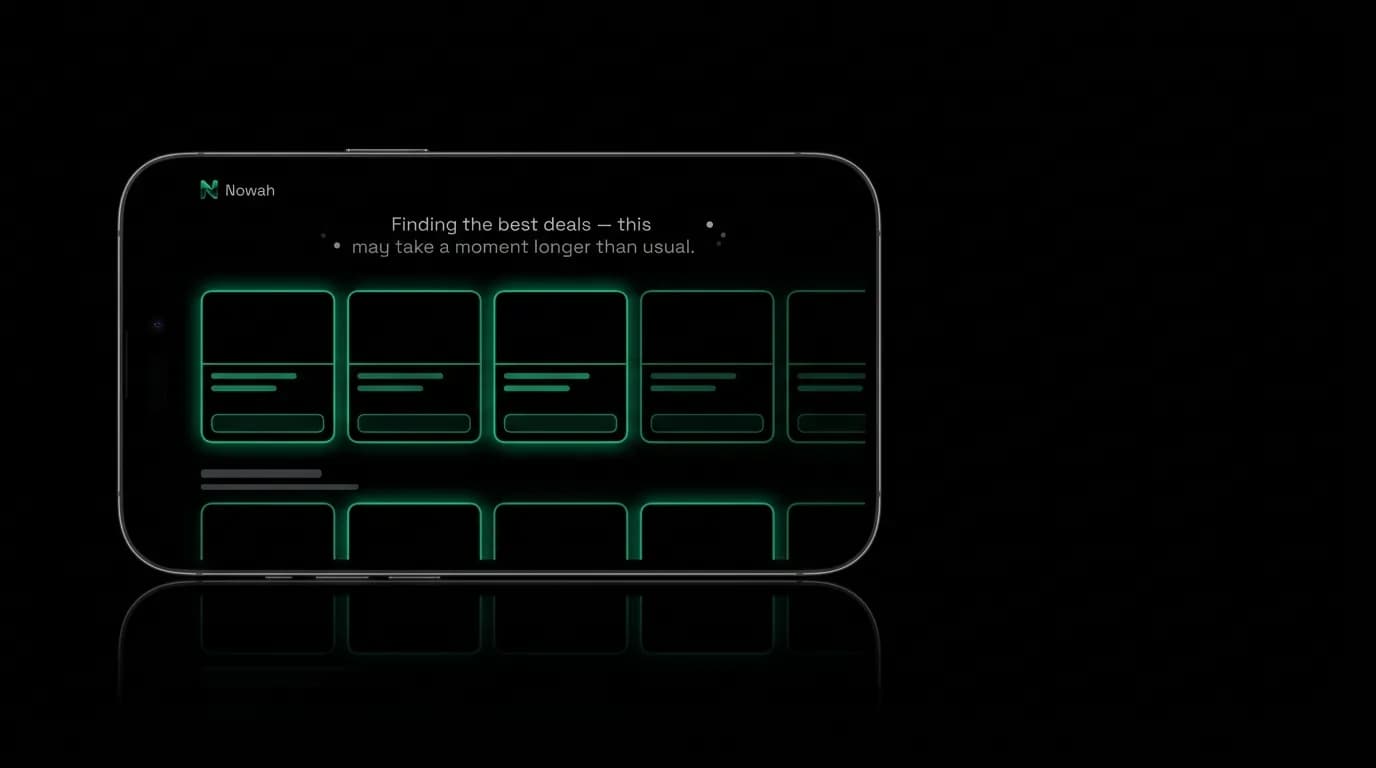
Designing for Peak Travel Season: Performance Under Load
Summer and holidays flood travel apps with traffic. Optimistic UI, skeleton screens, graceful degradation, and queue communication keep the experience smooth when servers strain.

Design
Holiday Travel UI: Designing for Stress and Joy
Holiday travel is emotionally loaded — family coordination, gift trips, countdown excitement. The interface must be calm during chaos and celebratory during planning.
Design
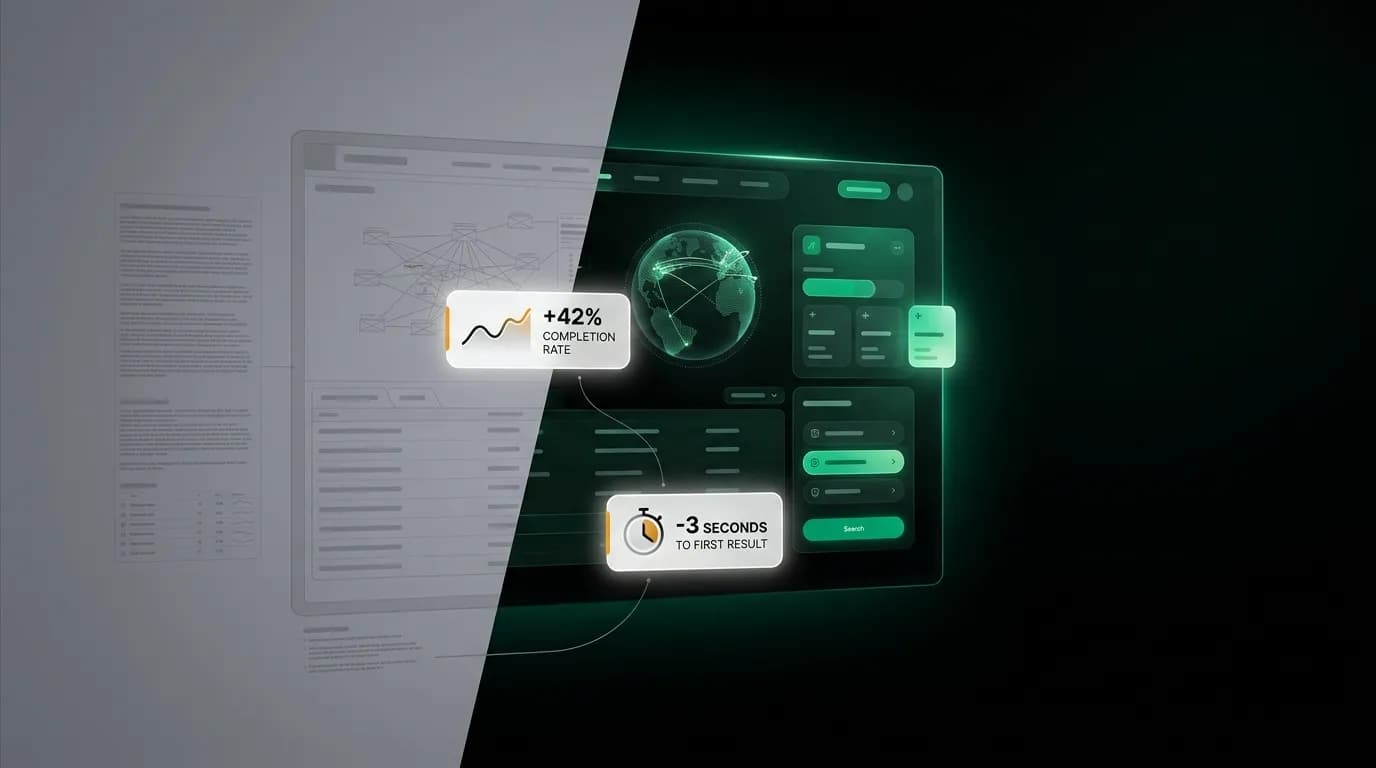
Year in Review: Design Decisions That Shipped
Before-and-after comparisons, metric impacts, lessons learned, and honest reflections on what we would change — the annual design retrospective that holds us accountable.
Design
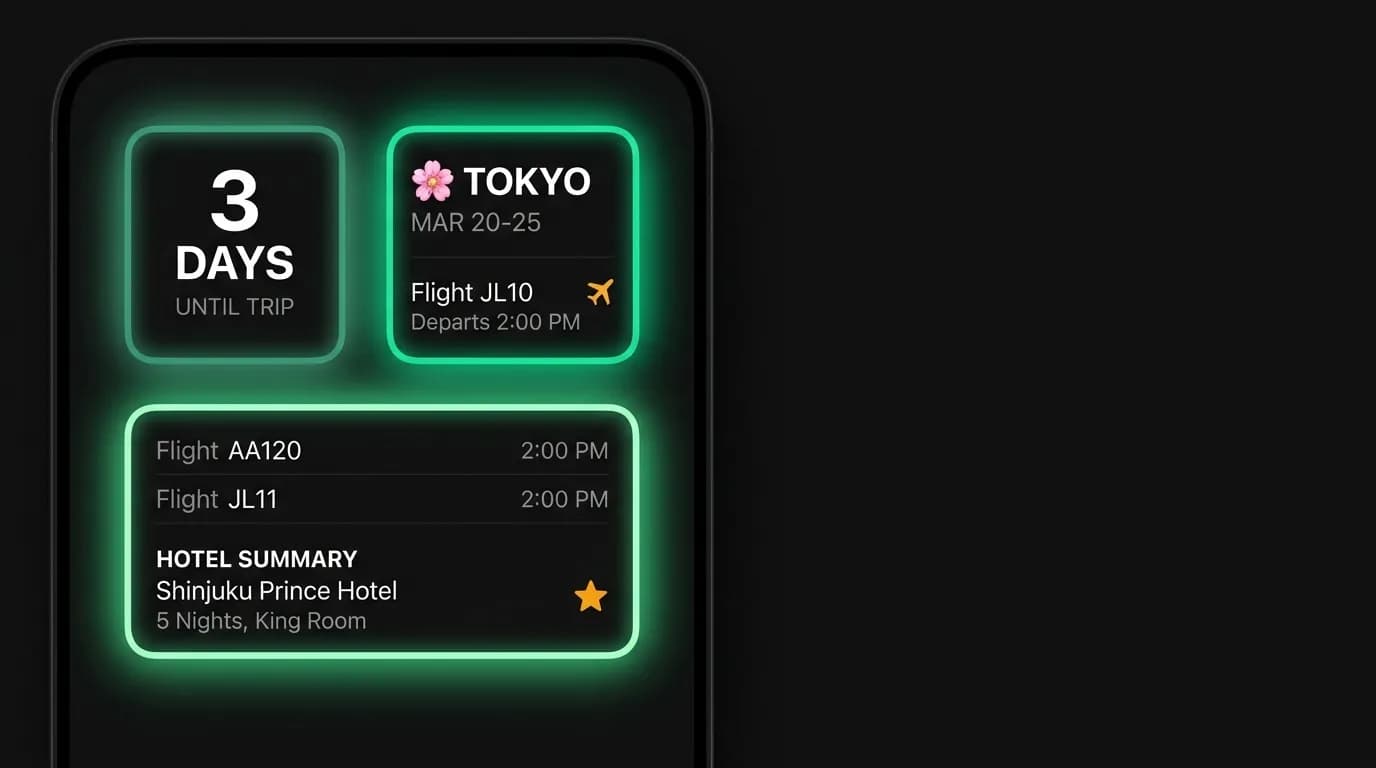
Designing the Travel App Widget
Lock screen and home screen widgets show trip status at a glance — departure time, gate number, hotel check-in — without opening the app. Tiny space, maximum utility.
Design
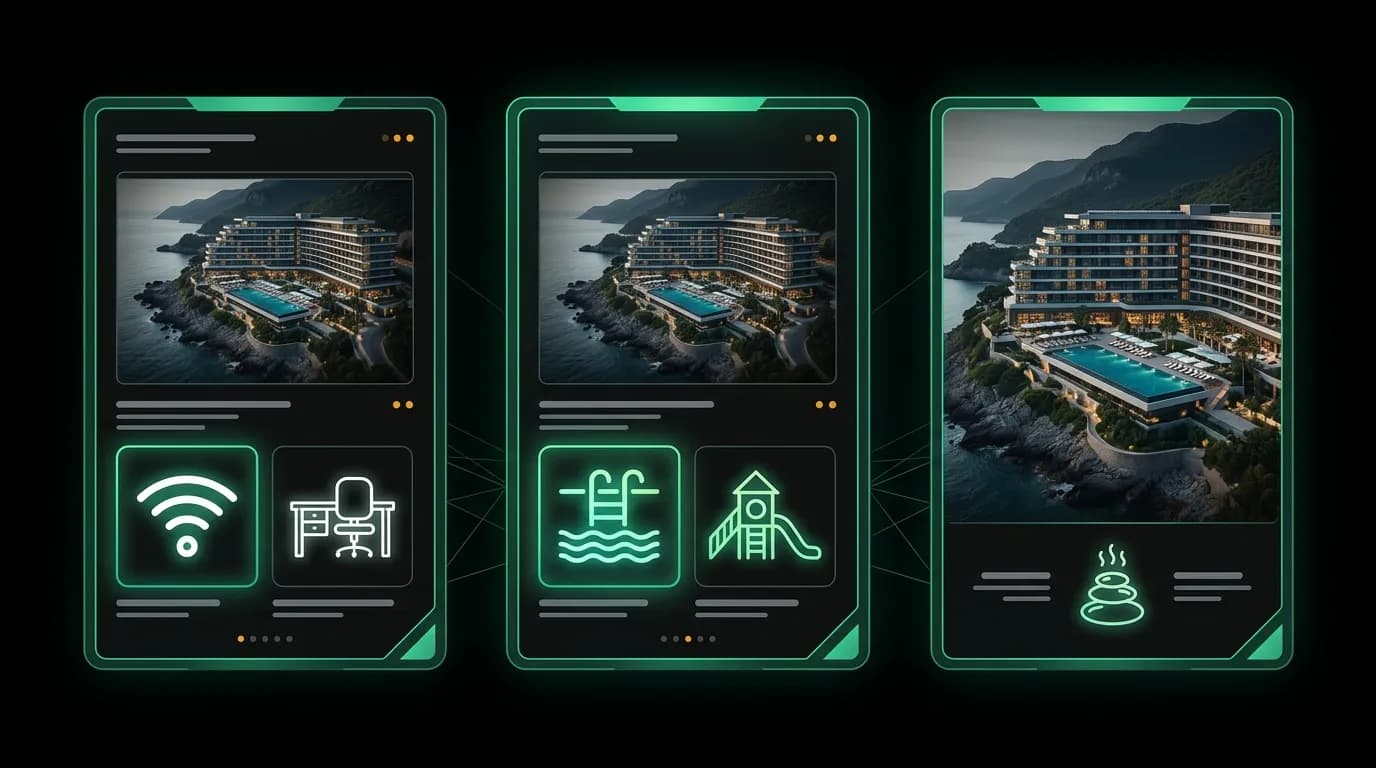
Designing AI Responses for Different Trip Types
Business trips prioritize speed and Wi-Fi. Family vacations prioritize kid-friendliness and space. The AI's visual presentation and card emphasis should adapt to trip context.

AI Research
Why We Built an AI Agent, Not a Chatbot
Chatbots answer questions. Agents book flights. The architectural gap between the two defines whether AI travel actually works.

AI Research
Agentic Memory — How AI Remembers Your Travel Style
Every booking app treats you like a stranger. Agentic memory fixes that by learning your preferences across sessions and trips.

AI Research
Tool Use in LLMs — From Theory to Production
Function calling turned LLMs from text generators into real-world operators. Here is what we learned shipping 70+ tools in production.