Latest
Fresh fromthe journal.
Page 20 of 35
Product
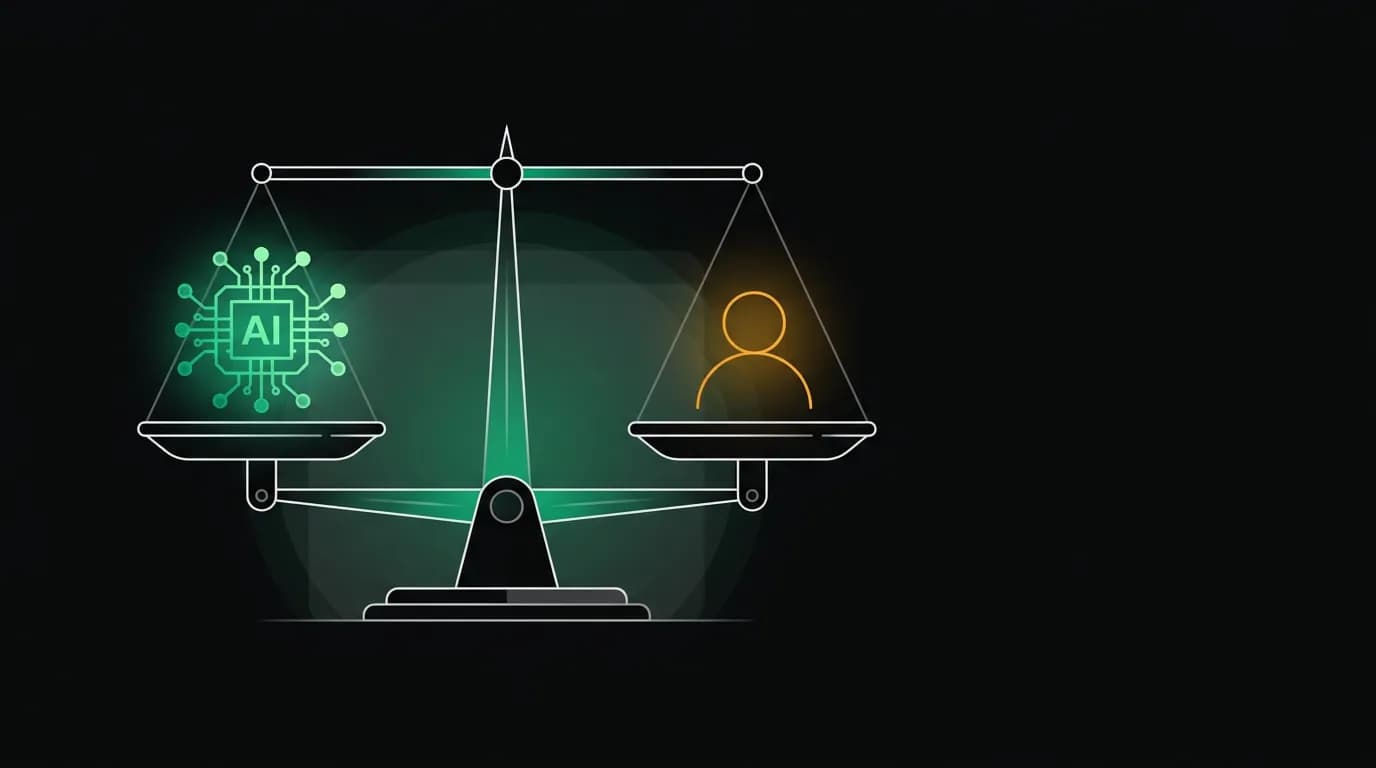
AI Travel Agent vs. Human Travel Agent: Complement or Replace?
AI wins on speed, availability, and data processing. Humans win on complex luxury itineraries and emotional support. The real answer is convergence.
Product
What We Learned From Our First 1,000 AI Travel Conversations
Users ask in ways we never predicted, trust builds faster than expected, and the gap between what people type and what they mean is massive.
Product
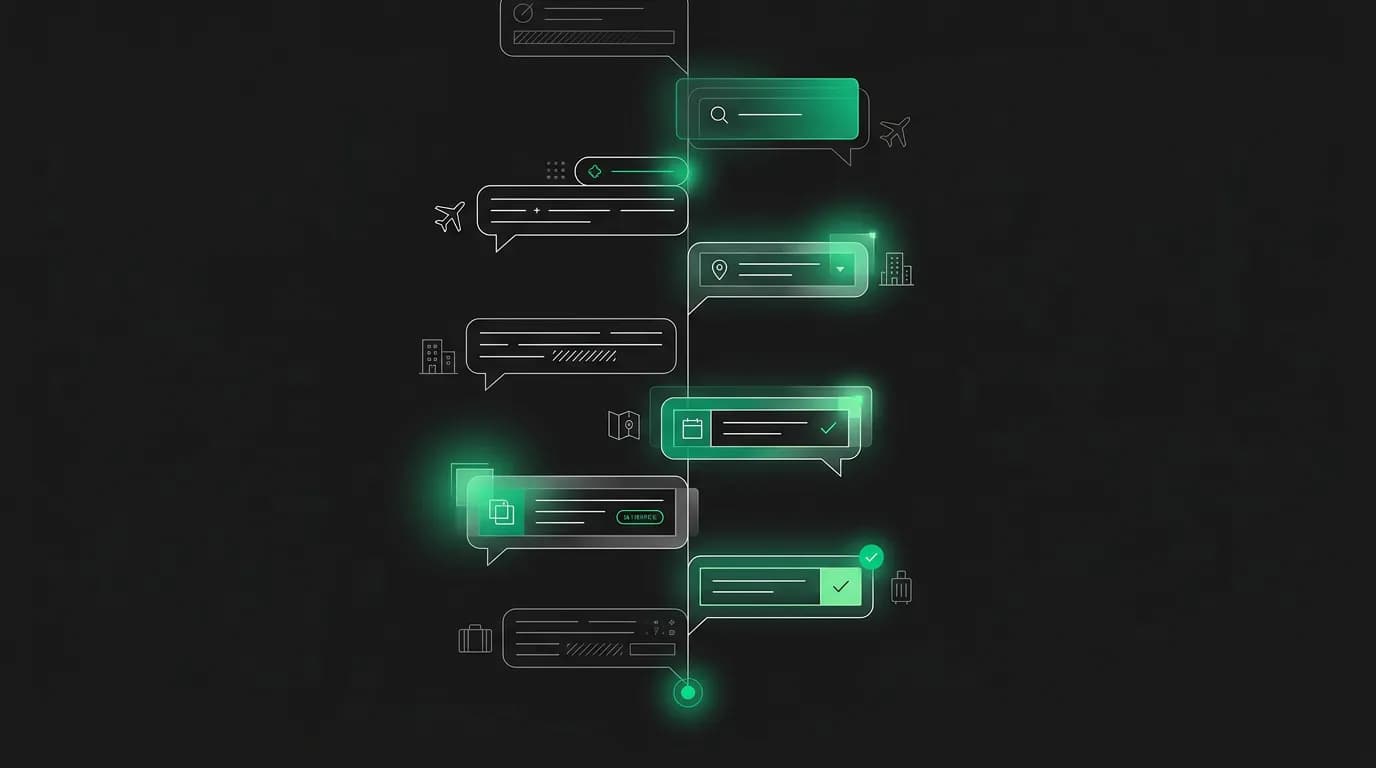
The Anatomy of a Perfect AI Travel Booking
From \\\"I want to go to Japan\\\" to booking confirmation in one conversation — the complete walkthrough of what ideal AI-powered booking looks like.
Product
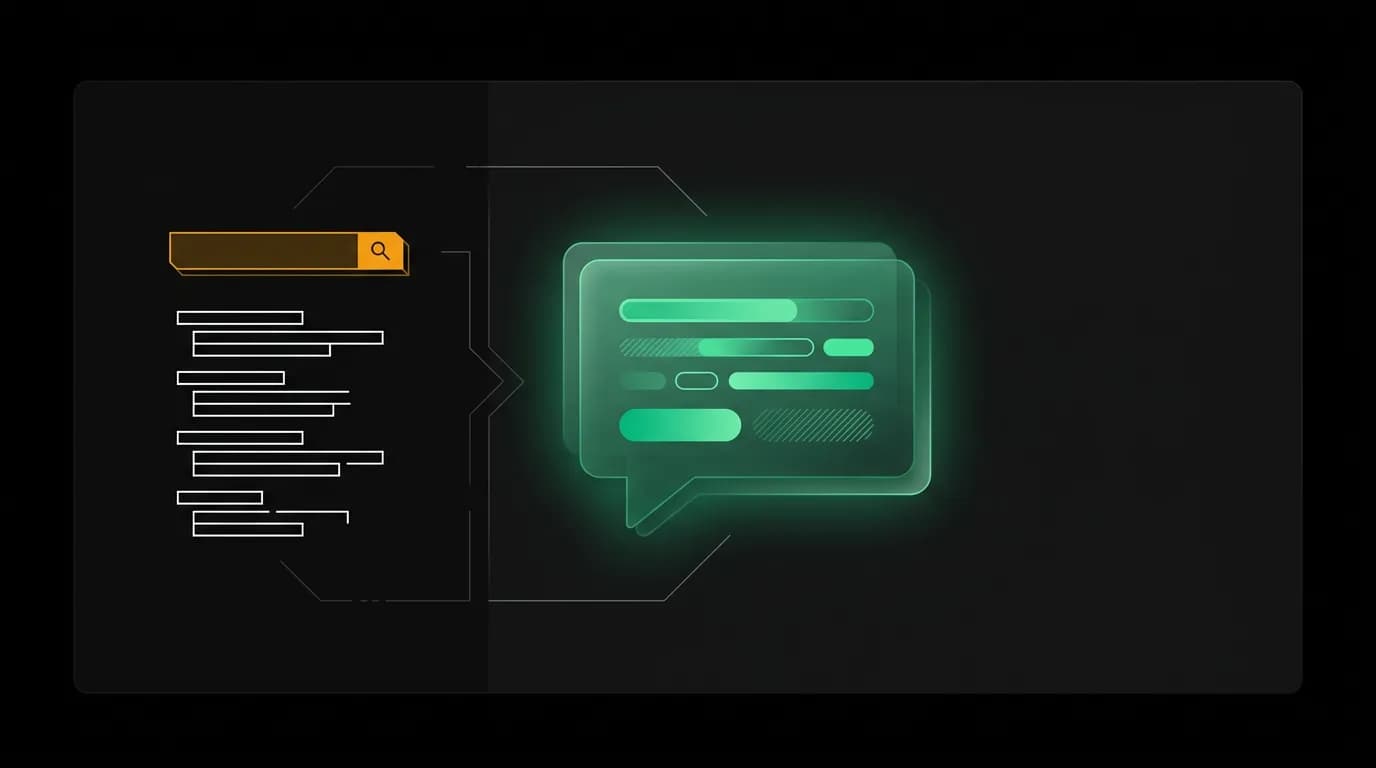
Why Users Talk to AI Differently Than They Type in Search Boxes
Search queries strip context: \\\"NYC LAX June 15.\\\" Conversations preserve it: \\\"I need to get to LA for my sister's wedding mid-June.\\\" Both mean the same.

Product
The 10-Second Rule: AI Response Time Determines Booking Success
Users tolerate 3 seconds for simple queries and 10 for complex searches. Streaming buys time. After 10 seconds without visible progress, they leave.
Product
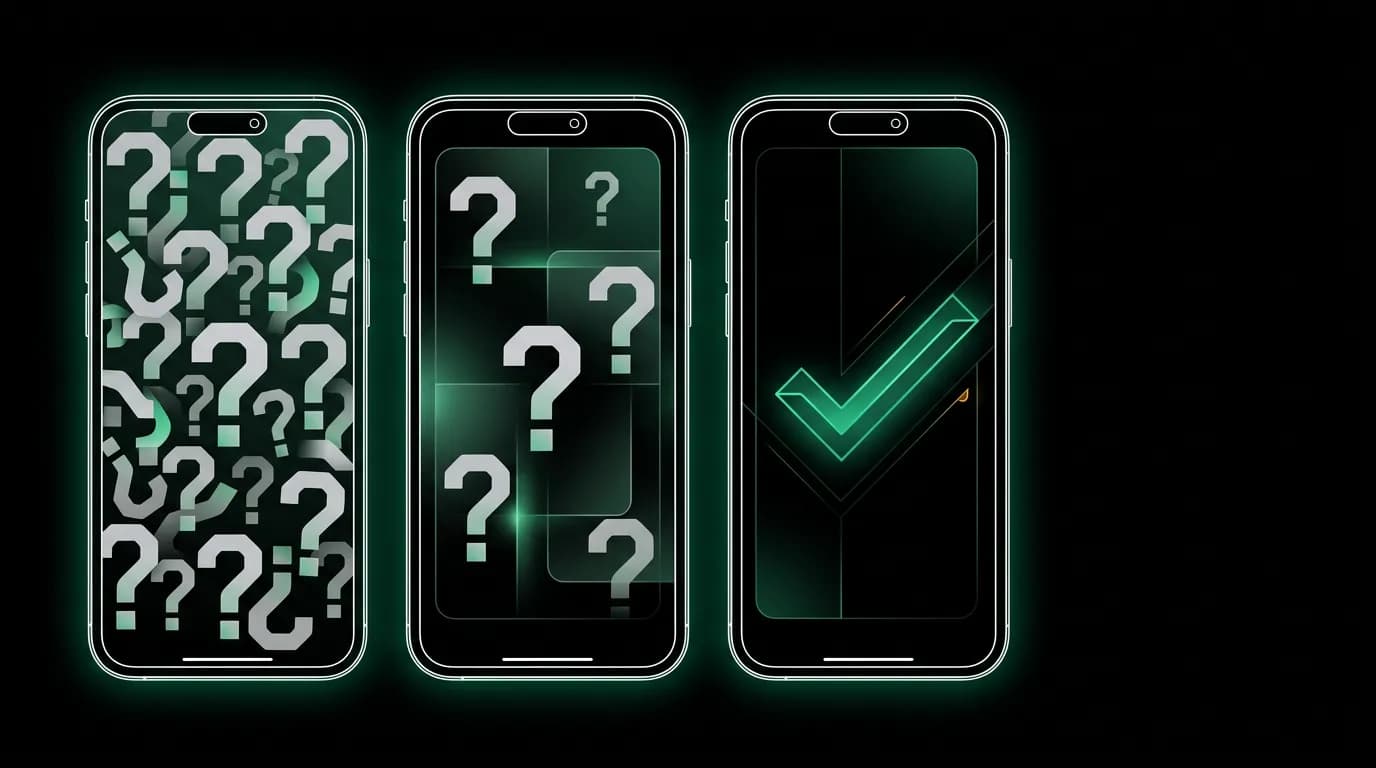
How AI Preference Learning Changes the Fifth Booking vs. First
First booking: the AI asks everything. Fifth booking: it already knows your seat, airline, budget, and hotel style. That compounding is the product moat.

Product
The Psychology of Booking Anxiety (And How AI Reduces It)
FOMO, regret aversion, decision paralysis, price uncertainty — behavioral psychology explains why booking is stressful and how AI addresses each trigger.
Product
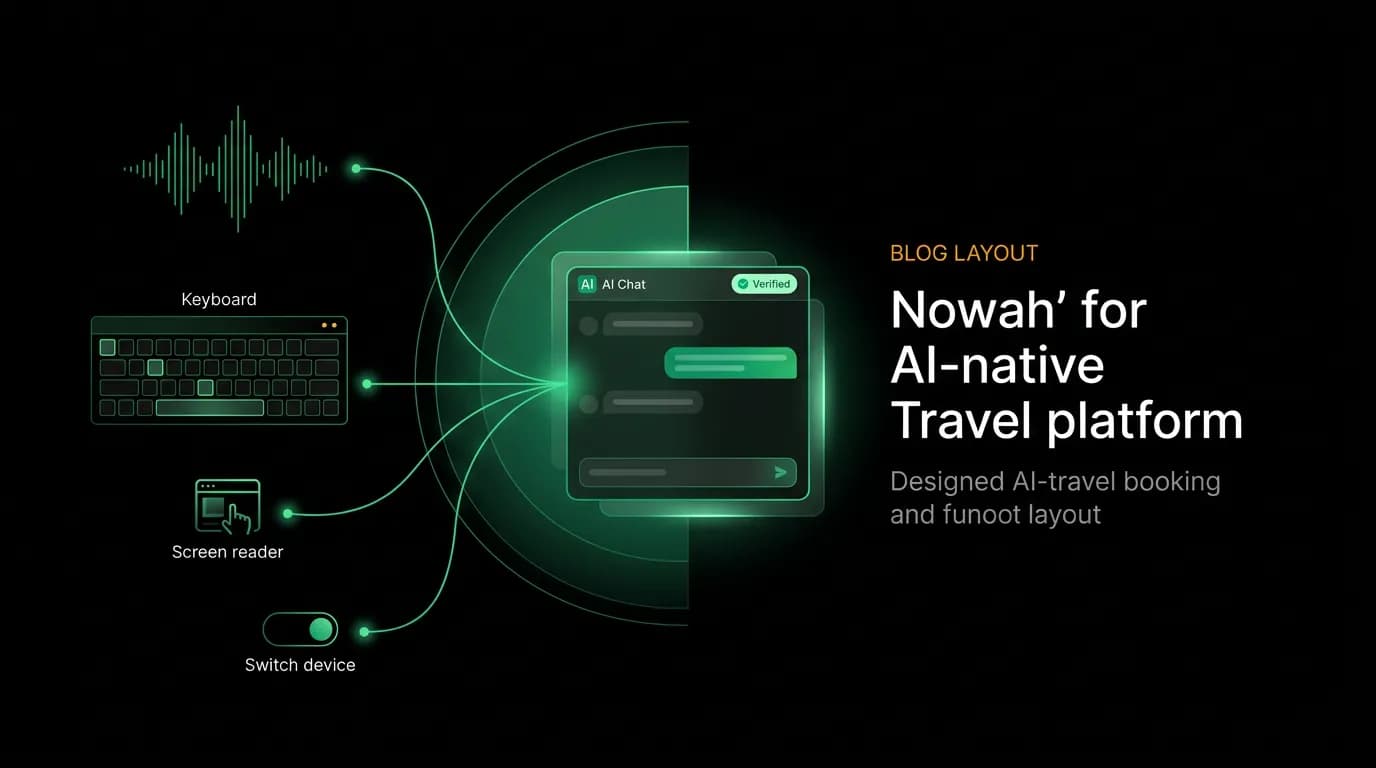
Accessibility in AI-First Products: Designing for Everyone
Voice input as accessibility, screen reader chat compatibility, cognitive load adaptation, and motor accessibility — AI products can be more accessible by design.

Product
Multi-Language AI Booking: Breaking the Language Barrier
Travel is multilingual by nature. AI understands intent in any language, translates hotel data in context, and serves the massive non-English market.