Latest
Fresh fromthe journal.
Page 124 of 156
Hotels
Best Hotel Deals with AI: Strategies Beyond \"Sort by Price\"
Total-value optimization, location savings, loyalty hacks, cancellation flexibility, and AI-powered timing — hotel deal strategies that go beyond sticker price.
Budget Travel
Summer Travel 2026: How AI Agents Beat the Crowds and the Prices
Peak season does not have to mean peak prices. AI agents find value in summer through alternative destinations, timing optimization, and smart flexibility.

Design
Touch Targets for Travelers: Designing for Bumpy Roads
Tapping a 32-pixel button in a moving taxi is a coin flip. Travel apps need 44pt minimum targets with generous spacing because users are rarely sitting still at a desk.

Design
Designing for Jet Lag: Cognitive Load in Travel Apps
A jet-lagged brain processes 40% slower. Simplified layouts, prominent primary actions, and an AI that handles complexity keep exhausted travelers on track.

Design
A Motion Design System for AI Interfaces
Seven motion patterns — streaming text, card entrances, tab transitions, modals, button presses, confirmations, and loading states — each with specific timing, curves, and purpose.

Design
Haptic Feedback in Travel: When to Vibrate and When Not To
A confirmation vibration after booking a $500 flight adds physical certainty. A vibration on every tap creates noise. Haptic restraint is the key to meaningful feedback.
Design
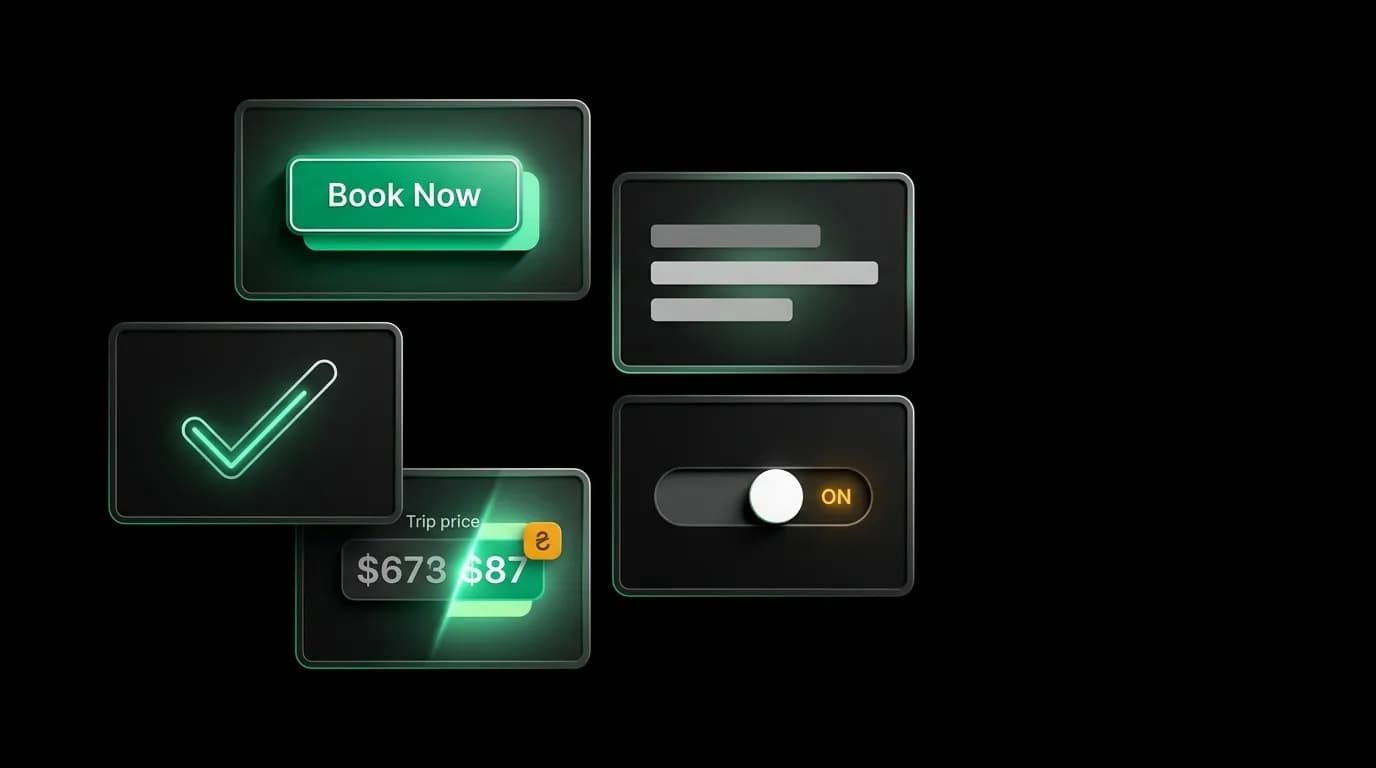
Micro-Interactions That Build Trust
A button that depresses on tap, a price that animates on update, a checkmark that draws itself during booking — small animations signal that the system is alive and reliable.
Design
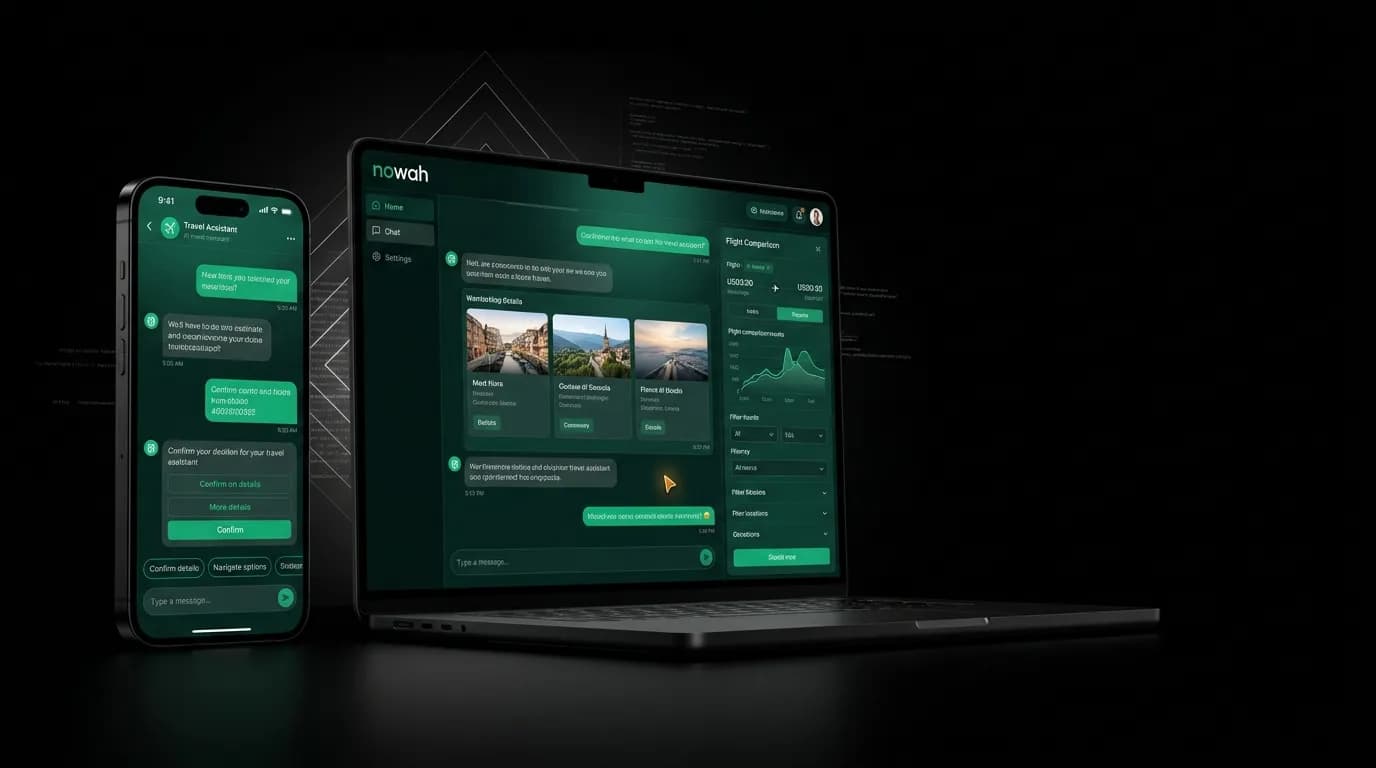
Mobile-First, Web-Companion: Our Cross-Platform Strategy
72% of travel research starts on mobile. We design for the phone first, then extend to web for desk-based planning sessions — same tokens, different layouts, shared components.
Design
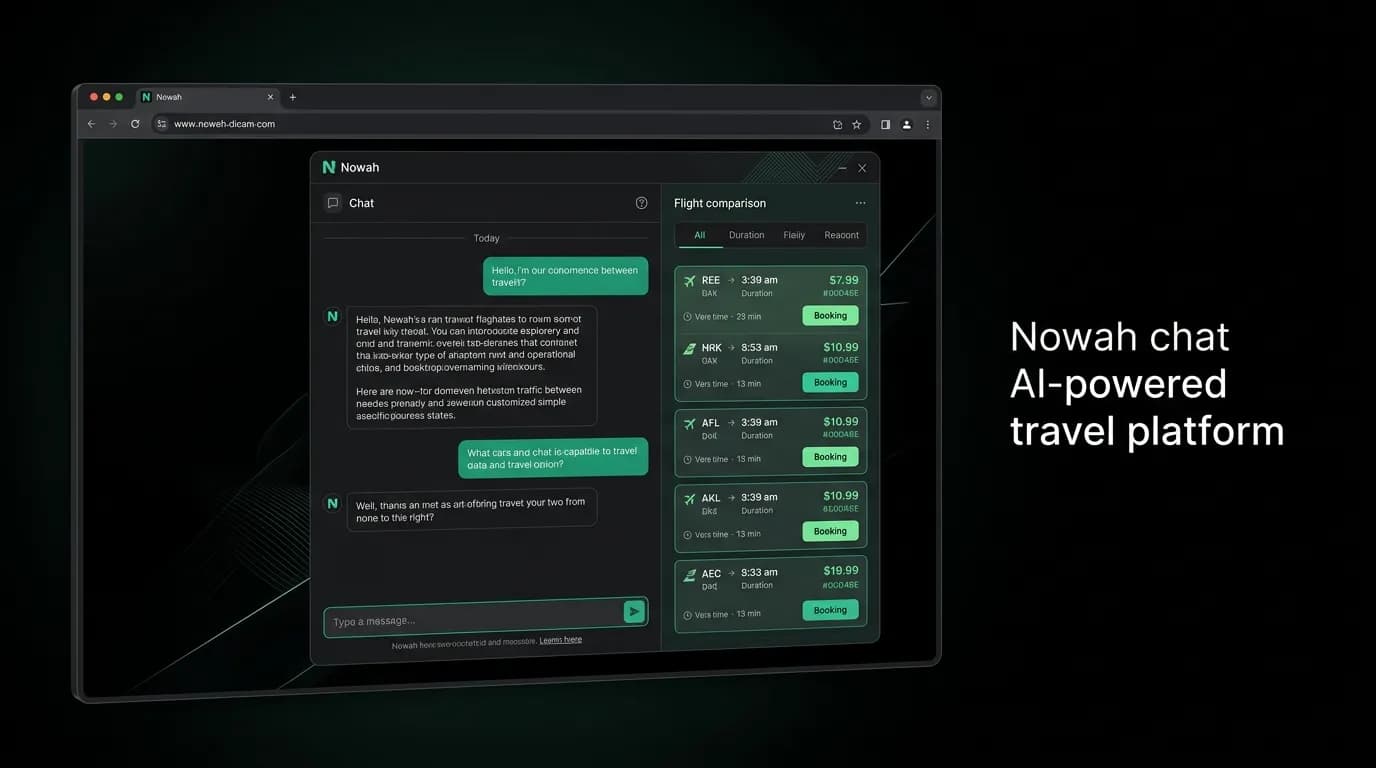
Adapting a Chat Interface from Mobile to Desktop
Chat on mobile is full-screen immersion. Chat on desktop gains side panels, wider cards, keyboard shortcuts, and split views — but the conversation remains the anchor.